Looking for new fundraising communication ideas? Discover creative and effective ways to update alumni about your fundraisers while boosting retention.

Christina Marmor
Published:
September 15, 2025

Discover AI Summary
• Experiment with multimedia messages: Try sending quick updates and reminders via MMS (multimedia text messages) with photos or videos, as these are more likely to grab alumni attention and boost engagement than plain text.
• Highlight real impact stories: Instead of just progress reports, turn your fundraising updates into compelling impact spotlights by sharing student testimonials or "before and after" visuals to show donors the tangible good their gifts are doing.
• Get creative with email formats: Break through the inbox noise by mixing up your email structure, incorporating interactive polls, or featuring videos from recent events to keep alumni engaged and interested in your campaigns.
• Involve alumni with fun surveys: Use quick, easy surveys not just for feedback, but for stewardship and promotion, letting alumni vote on things like project funding or fundraising challenge winners to deepen their participation.
• Leverage social media trends: Meet your alumni where they are by creating platform-specific content—think interactive Instagram stories or LinkedIn updates—and encourage ambassadors to share to expand your reach.
• Offer bite-sized updates: Provide busy alumni with concise mini-newsletters or digests focusing on key fundraising progress, upcoming events, and community highlights, making it simple for them to stay informed without feeling overwhelmed.
Alumni are key participants in your school’s fundraisers, but they also have busy lives and aren’t always aware of your funding needs or deadlines. Even when they do contribute, they may not keep up with campaign progress or understand the tangible impact of their gifts. In the long term, this lack of information could lead to disengagement and cause donors to unintentionally lapse.
Fortunately, there are plenty of creative solutions to this common challenge. Let’s explore six strategies for keeping alumni informed and engaged throughout all of your fundraising efforts.
Text messages are the perfect way to share quick updates and reminders with alumni without taking up too much of their time. SMS messages are short, direct, and much more likely to be opened by recipients than emails. They also feel more personal than emails, and they’re easy for alumni to engage with—all they have to do is click a link or text back.
But did you know you can make your texts stand out more by incorporating multimedia? MMS (multimedia messaging service) enables you to send photos, GIFs, videos, and more. Mogli’s MMS marketing guide breaks down the benefits of multimedia messages over plain texts:
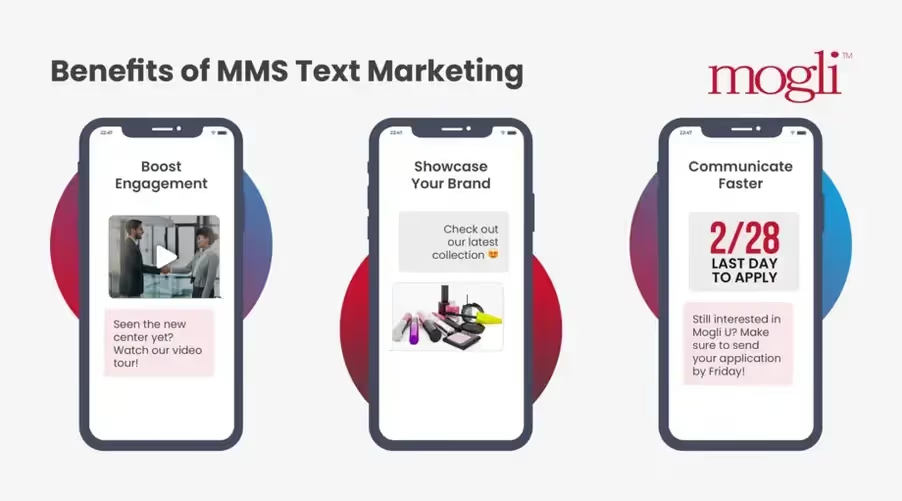
You can use MMS messages to highlight campaign milestones, share event reminders, send urgent appeals, and more.
Plus, these messages are easy to create and track with a higher education texting solution. These platforms facilitate bulk sending and two-way conversations so alumni can respond directly. They also provide features like segmentation and automation to help you personalize messages as much as possible.
Fundraising updates feel more compelling and tangible when you incorporate real impact stories. To boost engagement and retention, regularly feature alumni or student testimonials in your communications.
You might share a quote from a current student, compare "before and after" visuals to show progress on dorm renovations, or create infographics that quickly communicate how many students will receive scholarships this year thanks to alumni donations. Include an impact statement in every fundraising update so donors always understand the good their gifts are doing.
With the amount of emails your alumni get, it can take a lot to make your fundraising communications stand out. Put yourself in their shoes—they likely receive hundreds of promotional emails, news alerts, and advertisements in addition to your fundraising updates.
To get and keep recipients’ attention as they read your emails, you need new, creative strategies. For example, you might try:
Since these ideas focus on the content of your emails, remember that it’s still important to optimize your subject lines—alumni need motivation to click into your emails, after all. Consider incorporating emojis, numbers, urgent language, and donor first names to get their attention.
You likely already use surveys to gather donor information and feedback, but do you use them for stewardship? What about fundraiser promotion? Experiment with different types of surveys and questions to take full advantage of this interactive strategy.
For example, you might ask alumni to vote on which project gets funded next, then share the outcomes with a message like, "You voted, we funded! Here’s what happened next." Or, ask them to vote on which class they think will win a fundraising challenge. You could even have donors vote on a prize for top peer-to-peer fundraisers.
Once you have an idea, make the survey as easy and quick to complete as possible. This might look like:
Track engagement as alumni respond, and don’t forget to follow up later about the survey results and what action you took.
The best way to keep alumni up to date is to meet them where they are, on their preferred platforms. Analyze engagement data and past survey results to identify which social media sites different groups of alumni are most active on. Then, create content that taps into the strengths and trends of each channel.
Depending on the platform, you might post interactive Instagram stories, share LinkedIn updates, or use trending sounds on TikTok to engage alumni. Go live for key moments like campaign launches and groundbreaking ceremonies, and don’t be afraid to chime in on relevant online conversations.
No matter what type of content you post, encourage alumni ambassadors to share it or post their own updates relating to your fundraiser. For example, you might ask an alum who serves on your board to comment on and share your LinkedIn posts with their own network.
Plenty of alumni love receiving your newsletters and learning about all the latest happenings in your community. But whether they’re digital or physical communications, alumni newsletters tend to be long and content-heavy. Avoid overwhelming your donors by giving them an easier way to catch up: mini-newsletters or alumni digests.
Format these digests as one-page PDFs, simplified emails, or even a microsite—as long as it’s easy to skim and share with peers. In your mini-newsletters, you can share information about:
Although you have limited space, links and call-to-action buttons don’t take up much room. Include a few prominent links alumni can follow to donate, register for events, or access the full newsletter to dive deeper into each topic.
As you try out these strategies, monitor and analyze your donor data. Determine which channels and outreach methods generated the most donations, and reflect on ways to replicate those strategies going forward.
Table of Contents
Subscribe
See how modern advancement teams bring alumni engagement and fundraising together.
Homecoming is a highlight for any school, filled with traditions and community spirit. It's a time for students, alumni, and staff to celebrate their school pride together. By launching a homecoming fundraiser, you can secure support from alumni and their families to carry on your tradition of academic excellence. In this guide, we will discuss five ways to plan an engaging fundraiser that boosts participation and revenue.
Holding an auction at your homecoming fundraiser is a great way to attract alumni by offering unique or sentimental items to bid on. According to SchoolAuction.net’s guide to auction planning, there are several popular auction formats to choose from, including:
To maximize your auction’s appeal, consider offering items that hold special significance for alumni, such as memorabilia from school events, artwork by students or alumni, or experiences like exclusive school tours or dinners with favorite teachers. Combining a raffle with your auction is another way to enhance the excitement and encourage even more people to participate, as raffle tickets are traditionally low-cost.

The popularity of smartphones has led to fundraising innovations such as mobile bidding for silent auctions and text-to-give campaigns. Text-to-give is a fundraising method where donors can send a donation to your institution simply by texting a specific word or code to a designated number.
Getting started with the text-to-give process typically follows these steps:
Text-to-give can make it more convenient for alumni to support your homecoming fundraiser no matter where they’re located. After receiving a text-to-give donation, promptly thank your donors and provide them with confirmation of their contribution, as this fosters a positive experience and helps encourage future donations.
Peer-to-peer fundraising allows your school to tap into the power of your alumni’s networks to expand your reach. Essentially, your supporters create their own fundraising pages, which they then share with their family, friends, and colleagues, asking them to contribute to your school.
Consider these tips for incorporating peer-to-peer elements into your homecoming fundraiser:
You can easily adapt peer-to-peer fundraising to your school’s goals, resources, and target audience. This flexibility makes it ideal for any type of activity, whether you're organizing a traditional walk-a-thon around your campus or a virtual challenge that alumni can participate in from anywhere in the world. You could also consider other interesting activities such as dance marathons, bike rides, or bake sales to provide unique opportunities for participants to connect and contribute.

Homecoming is a time when school spirit is high, so why not sell school merchandise to help your community demonstrate it? Think about selling some of these popular school merchandise ideas in person or through an online store:
Branded school merchandise can both remind alumni to stay in touch and provide a little extra marketing for your institution wherever they go. Plus, it’s a fun way for them to show their school pride and keep the memories alive.

According to 360MatchPro, challenge gifts, also known as donation matching challenges, can inspire first-time donors to give and convince your existing donors to increase their gift amount.
Here’s an example: An alumni might agree to donate $100,000 to your school’s homecoming fundraiser, but there's a catch. Your school must first raise $100,000 on its own during the homecoming events. This setup creates a powerful incentive for other donors, as every dollar they contribute effectively counts as two if you manage to meet your fundraising goal.
To make the most of this opportunity, promote the challenge on multiple platforms, including your school’s website, so that you can maximize awareness and encourage more alumni, students, and families to contribute to your goal.
Once the challenge is over, thank both the challenge donor and everyone who contributed to the fundraising efforts. By doing so, you can maintain and expand your community of support year after year.
As you incorporate one or more of these highly engaging ideas into your next homecoming fundraiser, ensure that your team has all the tools and resources it needs to pull it off—whether that’s auction software or a peer-to-peer fundraising platform.
To gauge the effectiveness of your efforts, measure success through metrics such as fundraising return on investment (ROI) and average gift size to identify which strategies are working and which you can improve for better results next year.

5 Great Ways to Elevate Your Next Homecoming Fundraiser
Discover top-performing homecoming fundraiser ideas that drive engagement and raise more money. Perfect for schools, PTAs, and alumni teams. Sections to include in the blog-
Lorem ipsum dolor sit amet, consectetur adipiscing elit. Suspendisse varius enim in eros elementum tristique. Duis cursus, mi quis viverra ornare, eros dolor interdum nulla, ut commodo diam libero vitae erat. Aenean faucibus nibh et justo cursus id rutrum lorem imperdiet. Nunc ut sem vitae risus tristique posuere.

June 26, 2024
12 minutes
2024 was an interesting year for fundraising professionals. Persistent and emerging challenges in the nonprofit landscape coincided with some. While some issues carried over from previous years, new dynamics reshaped the way organizations navigated their work.
Last year was a year of highs and lows for fundraising and advancement professionals. From staffing struggles to shifts in donor behaviors, the year brought challenges that tested the resilience of nonprofits across sectors. However, these hurdles also paved the way for innovation, collaboration, and strategic rethinking, setting the stage for what 2025 might bring.
The donor landscape in 2024 presented an interesting problem. While overall donations increased, the donor pool continued to shrink. According to the Association of Fundraising Professionals (AFP), there was a 2% increase in total donations but a 4.5% decline in the number of individual donors. This trend posed a significant challenge for nonprofits reliant on a broad donor base for smaller, recurring contributions.
Staffing shortages and high turnover rates continued to be among the most pressing concerns for nonprofits in 2024. According to a study by NonProfit PRO, nearly 70% of nonprofits reported struggling with staffing challenges, citing underfunding and burnout as primary drivers.
This crisis was compounded by the competitive job market, which made it difficult for nonprofits to attract and retain talent. High turnover negatively impacted team morale and operational efficiency, forcing many organizations to stretch already limited resources to achieve their goals.
The rise of AI and other tech tools has been both a blessing and a challenge for nonprofits. While AI offers powerful capabilities—from predicting donor behavior to automating administrative tasks—it also requires significant investment in training and implementation. Many teams struggled to fully integrate these tools due to lacking technical expertise or financial resources.
The use of AI also brings forward some ethical concerns that increasingly became relevant throughout the year. There exists the risk of over-automating donor communication, which could lead to a loss of the personal touch that is central to alumni engagement. For smaller organizations, the hype around AI could also lead to investments in tools that did not align with their needs, diverting funds from more pressing priorities.
Despite the challenges, nonprofits showcased remarkable resilience. Many embraced hybrid fundraising models, combining virtual and in-person events to engage a broader audience. Charity Digital reported that organizations leveraging digital tools for storytelling and donor engagement saw significant returns on investment.
Additionally, DonorBox emphasized how nonprofits that invested in robust donor communication tools experienced improved retention rates, especially during year-end campaigns.
As we move into 2025, nonprofits more than ever need to build on the lessons of 2024 by focusing on sustainable growth and strategic innovation.
Resilience emerged as a defining characteristic in 2024, and nonprofits should ideally look to build upon it by adopting sustainable strategies and scalable practices, to better navigate uncertainty and a world that’s throwing a lot of innovations at us without leaving us much time or resources to consider our approach to each of them. With all that being said, we’d like to explore some broad focus areas that teams and institutions alike should watch out for in 2025:
The excitement surrounding AI and other technologies in 2024 often led to unrealistic expectations for nonprofits. A research paper published by Lauri Goldkind, Joy Ming, and Alex Fink critically assessed AI’s role in human services, questioning whether it offered genuine value or was simply a trend driven by hype. The study concluded that while AI holds transformative potential, it requires proper alignment with an organization's size, mission, and resource constraints to be effective.
Throughout 2025, Nonprofits should be shifting focus toward scalable and budget-conscious technology solutions. For example, a hypothetical smaller team that only needs a CRM and basic analytics could leverage low-cost digital tools and achieve better outcomes if these tools are customized to their specific workflows and objectives, as opposed to trying to cover all their bases and wasting both resources and time spent on upskilling.
The staffing crisis doesn’t seem to be letting up anytime soon with 68% of organizations reporting difficulties with recruitment and retention in 2024. Common challenges include toxic work cultures, burnout, uncompetitive salaries, and insufficient training opportunities. Increased investment in professional development, equitable pay structures, and supportive workplace cultures have been big talking points for a while but now they need to become key priorities. Policies aimed at reducing burnout, such as flexible work schedules and mental health support should be a good starting point.
Additionally, peer mentoring and community-building efforts are gaining traction. Nonprofits can leverage mentorship programs and peer support networks to foster a sense of community within their teams, leading to improved job satisfaction and retention.
At the heart of every nonprofit is its people—the staff, donors, and volunteers whose collective efforts drive change. By fostering positive internal cultures and focusing on impactful strategies, nonprofits can inspire trust and loyalty, ensuring their mission thrives in the years to come.
Nonprofits have responded to the recent donor market shifts by focusing on deepening relationships with existing donors. Strategies such as targeted communication and personalized outreach have since become standard practice. 2025 should be a good year for teams to consolidate knowledge of their tools and long-term goals so that they continue fostering donor loyalty seamlessly. A key area of focus will be on small and medium-sized donors and how teams can turn them into loyal donors moving forward.
With federal budget cuts for nonprofits and institutions seeming likely on the horizon, advancement and nonprofit teams especially in the US will need to explore sustainable alternatives to reach their goals.
That’ll just about do it for now but with 2025 seeming a difficult year to predict, there should certainly be a lot more to talk about in the coming months.

Key focus areas for fundraising in 2025
2024 was an interesting year for fundraising professionals. We go over some of the key learnings from last year to figure out key focus areas for 2025.
Lorem ipsum dolor sit amet, consectetur adipiscing elit. Suspendisse varius enim in eros elementum tristique. Duis cursus, mi quis viverra ornare, eros dolor interdum nulla, ut commodo diam libero vitae erat. Aenean faucibus nibh et justo cursus id rutrum lorem imperdiet. Nunc ut sem vitae risus tristique posuere.
What started in 2012 as a small social media campaign has grown into a global giving phenomenon that now inspires millions across 90+ countries to support the causes they love, all in just 24 hours. This brings us to the point of this blog. The fundraising platform you choose to build your Giving Tuesday events and fundraisers on can make or break your annual experience drastically.
We’ve curated a handful of platforms designed for education-focused teams to do more with less, so you can spend time building relationships, not battling technology.
Here’s a closer look at some platforms that can help your institution raise more and engage better for this year’s Giving Tuesday and beyond. Let’s get started:

Almabase often comes up first when education teams want a platform that balances rich tools with actual ease. It is purpose-built for advancement, blending fundraising, alumni engagement, and events into one modular platform. It shines when teams want depth, data, and scalability with the support of a dedicated team. Here’s how it stacks up-
Advancement teams that want a long-term, comprehensive platform to integrate fundraising with a strategic alumni engagement and community-building effort.
Almabase offers pricing based on your needs and the size of your alumni and donor base that you want to engage with. You can book a personalized demo and get a quote here.

Givebutter is known for its modern, donor-friendly design and transparent pricing. It combines crowdfunding, peer-to-peer fundraising, and event ticketing in one platform. Here’s how it stacks up –
Schools, nonprofits, and small teams wanting an easy-to-launch Giving Tuesday campaign platform with built-in social tools and no upfront software cost.
It operates on a 100% transparent tip-or-fee model, meaning it's free to use with a voluntary tipping system. Organizations can choose to cover the platform fee themselves or let donors cover it with an optional tip.

Donorbox is a platform known for its focus on providing a secure, reliable, and conversion-optimized donation experience through its simple, yet powerful, features. It is designed for nonprofits of all sizes, including schools and universities with diverse fundraising needs.
Mid-sized to large schools and universities that need a reliable, cost-effective, and conversion-optimized tool to run a Giving Tuesday campaign, especially for direct online appeals and recurring giving.
Donorbox offers a free standard plan, a pro plan at $150/month, and a premium plan with custom pricing.

Givecampus is a fundraising platform for educational institutions, empowering fundraisers at every stage of the fundraising lifecycle. Its core value proposition is its deep understanding of and specialization in the unique needs of schools and universities, from online giving days to volunteer management.
Key Features
Large, established colleges and universities with a strategic focus on alumni engagement and a dedicated advancement team that can leverage its enterprise-grade features for a high-impact Giving Tuesday.
GIveCampus has three platform plans: Essentials, Professional and Enterprise. On top of this, your price will vary depending on the modules you need.

Bonterra, formerly a suite of tools including EveryAction, is a comprehensive, enterprise-grade solution that has garnered a reputation as a robust fundraising platform for larger nonprofit organizations with complex needs. It aims to provide a single, unified solution for fundraising and donor engagement.
Large universities and institutions that need a long-term, comprehensive CRM and fundraising solution, and for whom Giving Tuesday is a part of a larger, integrated annual giving strategy.
Tailored to the organization's unique needs, with pricing based on size, complexity, and features.

Onecause is a fundraising platform with a particular focus on events, auctions and peer-to-peer campaigns. It is designed to help organizations streamline the guest experience and run successful events.
Educational institutions with a Giving Tuesday strategy built around a live or virtual event, auction, or other high-energy initiative.
Onecause has different pricing plans based on which features you need to use between fundraising and text-to-give, auction and events, and peer-to-peer fundraising.
Maybe you just need a simple crowdfunding platform this year to complement an event you are already planning with another tool, or you just want to use an easy-to-set-up fundraising page with names that have become synonymous with raising money for causes. If that’s what you’re looking for, here are some of the popular ones to choose from:
…and more depending on your institution’s geographic location.
Not every platform is built with education teams in mind, and choosing wrong can cost you both time and momentum. With so many options, the right fit depends on what your team actually needs, not just flashy features. So, while deciding, keep these factors in mind:
Want a deeper breakdown of these essentials? Take a look at our guide on giving day platform features every institution should consider.
The right Giving Tuesday platform should lighten your team’s load while helping you hit ambitious goals. The platforms we’ve covered are built with education teams in mind; it’s just a matter of matching your goals, team size, and budget to the right solution. Once done, you’ll set yourself up for more than just a one-day win.

6 Great Giving Tuesday Platforms for Schools & Universities (2026)
Find the best Giving Tuesday platform for your school or university. Compare top fundraising tools to boost donations and engage your community.
Lorem ipsum dolor sit amet, consectetur adipiscing elit. Suspendisse varius enim in eros elementum tristique. Duis cursus, mi quis viverra ornare, eros dolor interdum nulla, ut commodo diam libero vitae erat. Aenean faucibus nibh et justo cursus id rutrum lorem imperdiet. Nunc ut sem vitae risus tristique posuere.

August 26, 2025
12 minutes

.svg)

.avif)
.webp)