Here are 10 awesome and unique alumni relations initiatives to take inspiration from for your 2025 programs.

Sharada Koti
Updated:
May 19, 2026

Summary
• To really boost alumni engagement, start by digging into your data and segmenting your audience. This helps you personalize outreach, ensuring that a recent grad gets a mentorship invite, not a 10-year reunion notice, which makes your efforts much more effective.
• Go beyond typical events to make alumni feel genuinely seen and valued, like Kent State's "Care Calls" to new graduates or St. Lawrence College's president visiting alumni at their workplaces. These personal touches can transform how alumni perceive their connection to your institution and build stronger relationships.
• Consider investing in a unified tech platform to bring all your engagement efforts together, rather than relying on scattered tools. Punahou School saw incredible results by using an integrated system for events, networking, and directories, significantly improving alumni participation and data management.
• Create valuable two-way connections by linking current students with alumni for career guidance and real-world experience. Initiatives like William & Mary's externships or LSE's AI-powered "Ask an Alum" program strengthen your community and help students navigate their futures.
• Empower your alumni to lead and shape their own community events, such as Stanford's Young Alumni Opportunity Fund which provides micro-grants for peer-organized activities. This fosters a deeper sense of ownership and can significantly enhance overall alumni engagement.
• Remember to always offer value and build relationships first, especially with younger alumni, before making any asks for donations. A "one-size-fits-all" approach to engagement rarely works, so aim for authenticity and personalization in all your outreach.
Alumni relations have come a long way from simple newsletters and reunion invites. Today, institutions are embracing creativity, technology, and community-driven values to build meaningful, lasting connections with their alumni.
In this blog, we’ve curated 10 standout alumni initiatives that go beyond the ordinary. Whether you're looking to spark new ideas or elevate your existing engagement strategy, these examples are sure to inspire your next big move.
An alumni relations initiative refers to any program, event, or effort specifically designed to engage and strengthen ties with an institution’s alumni community. These initiatives aim to foster a sense of belonging, keep alumni informed, and encourage continued involvement in the life of the school or university. In essence, alumni relations initiatives are a focused subset of broader alumni programs—those that revolve around community-building rather than fundraising, career services, or admissions support.
These initiatives can take many shapes depending on the institution’s goals and audience. Across the US, UK, and Canada, schools and universities have adopted a wide range of strategies to stay connected with their alumni in meaningful ways. Below are some of the most common and effective alumni relations initiatives seen in practice today:
These are some of the most popular ways schools and universities stay connected with their alumni, but the real magic lies in how each institution puts its own spin on them. From small colleges to large universities, we’ve seen some truly creative and impactful ideas take shape.
In this section, we’re highlighting 10 real-life examples of alumni relations initiatives that stand out. Each one comes with a quick snapshot (literally, where possible!) so you can see how these ideas were brought to life and maybe even borrow a little inspiration for your own alumni strategy.
In a time when many new graduates feel uncertain about their next steps, Kent State University took a deeply human approach—picking up the phone. As part of their wonderful initiatives, the university launched Care Calls, where staff and faculty personally called recent graduates to check in, offer congratulations, and provide information on alumni resources and support.
What made this initiative so powerful wasn’t just the information shared—it was the gesture itself. A personal call during a major life transition reminded students that they remained part of the Kent State family even after crossing the graduation stage. It turned a one-way farewell into a two-way conversation, reinforcing lifelong belonging. The program’s success earned it a CASE Circle of Excellence Award in 2024.
Punahou School earned a 2024 CASE Circle of Excellence Award for its cutting-edge alumni engagement platform, built in partnership with Almabase. The platform brought together events, volunteer opportunities, career networking, and alumni directories—all in one easy-to-navigate space. The result? A dramatically improved alumni experience and increased participation.
This thoughtful integration led to a measurable impact: over 7,000 alumni became active monthly users, 70% of contactable alumni engaged with the platform, and more than 30,000 alumni profile views were recorded. Additionally, job boards saw 2,000+ self-serve interactions, and alumni resources received over 19,000 engagements. By leveraging Almabase’s tailored technology, Punahou not only modernized its engagement strategy but also built a stronger, more connected alumni community. The initiative demonstrates how the right tech partner can transform passive alumni databases into thriving, connected communities.

St. Lawrence College took a bold and refreshingly personal approach to alumni relations by sending their college president undercover. As part of this initiative, the president visited alumni at their workplaces, not just to observe, but to celebrate their post-college journeys in a deeply authentic way. These surprise visits were documented and shared as inspiring stories of alumni success, bridging the gap between the institution and its graduates in a memorable and human-centered way.
What made this initiative stand out wasn’t just the novelty; it was the genuine connection it created. Alumni felt recognized and valued, while the broader college community gained new appreciation for the real-world impact of their peers. The initiative earned St. Lawrence College a 2024 CASE Circle of Excellence Award for redefining how leadership can show up for alumni, literally and figuratively.
William & Mary's innovative approach to alumni engagement involved facilitating externship experiences that connected current students with alumni in their professional environments. This initiative earned the university a 2024 CASE Circle of Excellence Award in the Alumni Relations category.
By providing students with the opportunity to shadow alumni in various industries, the program offered real-world insights and fostered meaningful connections between students and graduates. These short-term experiences not only enhanced students' understanding of potential career paths but also strengthened the alumni network by encouraging alumni to actively participate in mentoring the next generation.

Texas Christian University (TCU) brought alumni together in a really fun and meaningful way with their Horned Frog Vendor Fair. This event isn’t just about catching up — it’s all about shining a spotlight on alumni-owned businesses and giving back to the community through scholarships. Imagine a campus filled with alumni entrepreneurs selling everything from handmade jewelry to tasty treats, creating a buzz and building connections that matter.
What makes this initiative so special is how it turns alumni support into action — fostering a sense of pride, community, and collaboration all in one place. Plus, it’s a win-win: alumni get to promote their businesses, students benefit from scholarships, and everyone leaves feeling a little more connected. No wonder it snagged a CASE Circle of Excellence Award in 2024!
At Thompson Rivers University, graduation was not just about crossing the stage—it was about stepping into a lifelong community. The New Alumni Welcome Reception, held in the nostalgic TRU Old Gym, gave fresh graduates a chance to celebrate with family, friends, faculty, and fellow alumni. Following each convocation ceremony, the gym transformed into a festive space filled with music, photo ops with iconic TRU symbols like the TRU letters and Wolfie, and light refreshments.
This warm tradition, in recent years, saw record-breaking attendance, welcoming nearly 10,000 guests over three days and six ceremonies. The event’s success didn’t go unnoticed; it earned TRU a Gold award for Best Special Initiative from the Canadian Council for Advancement of Education (CCAE) in 2023.

Aston University introduced the Aston for Life platform to provide its alumni with a centralized hub for personal and professional development. Launched in July 2023, the platform offers a range of resources, including career development tools, networking opportunities, and access to university news and events. This initiative earned Aston University a 2024 CASE Circle of Excellence Award in the Alumni Relations category.
By offering tailored content and opportunities, the platform ensures that alumni remain connected and supported throughout their careers. Features such as personalized career advice, industry-specific news, and community forums foster a sense of belonging and continuous growth among graduates.

The London School of Economics and Political Science (LSE) took a forward-thinking approach to alumni engagement by integrating artificial intelligence into their "Ask an Alum" program. This initiative earned LSE a Gold award in the 2024 CASE Circle of Excellence Awards.
By leveraging AI, LSE streamlined the process of connecting current students with alumni, facilitating meaningful conversations about careers, experiences, and advice. The AI-driven system efficiently matched students' inquiries with the most relevant alumni, enhancing the overall engagement experience.

Stanford University has been putting the power of alumni engagement directly into the hands of its recent graduates through the Young Alumni Opportunity Fund. This ongoing initiative has provided young alumni with micro-grants to create and host events that resonate with their peers, fostering a sense of community and connection beyond the campus.
From local meetups and virtual workshops to networking events, the fund has empowered alumni to take the lead in building meaningful relationships within the Stanford community. By supporting these grassroots efforts, Stanford continues to enhance alumni engagement while cultivating leadership and initiative among its recent graduates.

At the University of Saskatchewan (USask), the Golden Grads Program is a heartfelt tribute to alumni who graduated 50 years ago. Initiated in 2017, this annual celebration honors the enduring connection between the university and its alumni, recognizing their contributions and lifelong bond with the institution. Each year, Golden Grads receive a commemorative golden alumni pin and parchment, symbolizing their lasting place in the USask community.
The program also features "Memory Lane," a curated collection of stories, photos, and traditions shared by fellow Golden Grads, allowing alumni to reminisce and reconnect with their peers. It’s a beautifully simple idea that reminds us how powerful it can be to pause, look back, and celebrate the journey because alumni engagement isn’t just about the present, but honoring the paths that led us here.

These initiatives show that alumni engagement isn’t one-size-fits-all—it’s personal, thoughtful, and evolving. What ties them all together is a deep understanding of community and a creative commitment to keeping the alumni spirit alive.
No matter how creative or ambitious your alumni initiative is, a few foundational practices can go a long way in making sure it actually connects with your community. Think of these as the essentials—habits and principles that the most impactful alumni teams consistently follow.
Before launching any initiative, dig into alumni engagement analytics—email open rates, event RSVPs, survey feedback. This helps you prioritize what alumni actually respond to, not what you think they want.
Treat young alumni, mid-career professionals, and retirees differently. Use graduation year, location, and profession to personalize outreach and events. A mentorship invite for a recent grad isn’t going to resonate with a 1985 alum—and vice versa.
Create alumni champions or ambassadors for different regions, industries, or class years. When initiatives are peer-driven rather than institution-driven, they gain more traction.
Make alumni relations part of the student experience before graduation. Invite alumni to guest lecture, offer externships, or co-host events. This ensures students transition into engaged alumni, not distant observers.
Spotlight 10-year reunions, professional achievements, new parents, or business launches. Engagement doesn’t always need to lead to a donation—sometimes it starts with a simple celebration.
Platforms like Almabase can help automate communication, host events, and manage data to make sure your communication stays warm and human without having to write each email manually.
Don’t set and forget. Track KPIs like event attendance vs. registration, digital engagement, and volunteer sign-ups. Run quick pulse surveys post-events and use that insight to iterate.
Even with the best intentions, some common missteps can hold your initiative back. Here are a few pitfalls we’ve seen teams stumble into—and some gentle reminders to help you steer clear of them.
If your initiative lacks a clear “why” or value proposition, alumni will eventually struggle to relate to your cause. They need to understand why your initiative exists and why now, as well as what they are gaining from participating.
Jumping straight into donation appeals—especially with younger alumni—can backfire. Offer value first, whether it's through mentorship, events, or learning opportunities.
Personalization is simply not just a matter of luxury anymore but a growing necessity. Sending the same event invite or newsletter to a 23-year-old and a 60-year-old just won’t land the same way. Segmentation and personalization should be central to your communication and promotion efforts.
If your alumni office is working in a silo, you’re bound to not get the most out of your initiatives, whether that’s time wasted on manual syncs or solving redundancies. Sync with career services, student affairs, and advancement for richer programming and outreach.
Sending a thank-you is pretty much expected now, which means the standard is higher. Follow up with a thank-you, share event highlights, and suggest a next step (e.g., join a group, mentor, donate).
At the heart of every great alumni initiative is a simple goal: building genuine, lasting relationships. It’s about authenticity, continuity, and creating moments that make alumni feel seen, heard, and still part of the story. Whether you're just getting started or looking to level up, small, thoughtful steps can lead to a big, meaningful impact. So if you're designing your next initiative, let these ideas be a reminder: meaningful engagement starts with listening, builds with consistency, and grows with creativity.
Subscribe
See how modern advancement teams bring alumni engagement and fundraising together.
Plan faster. Execute better
Explore free templates designed for alumni and fundraising teams.
.png)

.avif)
Sharada Koti
The past five or so years changed the landscape of innumerable things around us, and alumni relations was no exception. Existing boundaries were pushed, which resulted in new virtual methods emerging to resolve the challenges that the pandemic brought about.
While alumni engagement in 2022 looked promising as many institutions open up their campuses with adequate restrictions, the alumni relations landscape is currently undergoing a tremendous transformation.
Traditional alumni engagement metrics like event attendance and in-person fundraisers can no longer be relied upon entirely. Ever since the pandemic, schools, colleges, and universities have taken a step back and plan their programming in accordance with the ‘new normal’ and have continued to innovate and look for flexible solutions.

As you start planning your strategy for the year, here are five alumni engagement ideas you don’t want to miss out on.
The pandemic had everyone bottled up inside their homes for far too long. While you can’t go all out and invite all your alumni to campus every time, you can start the year with small meet-and-greets across various cities around the country, with the help of your local volunteers and chapters. We suggest creating proper guidelines, which can help the volunteers organize these events to increase engagement and guarantee a good time for everyone involved. These small-scale events can be a refreshing break from the webinars and large-scale fundraisers often attended by your alumni and students alike. This is also a great opportunity to help your alumni meet peers in and around their area, creating strong bonds within the alumni community.
Today, it is essential to find the right balance between online and offline events that stay relevant and useful for the near future.
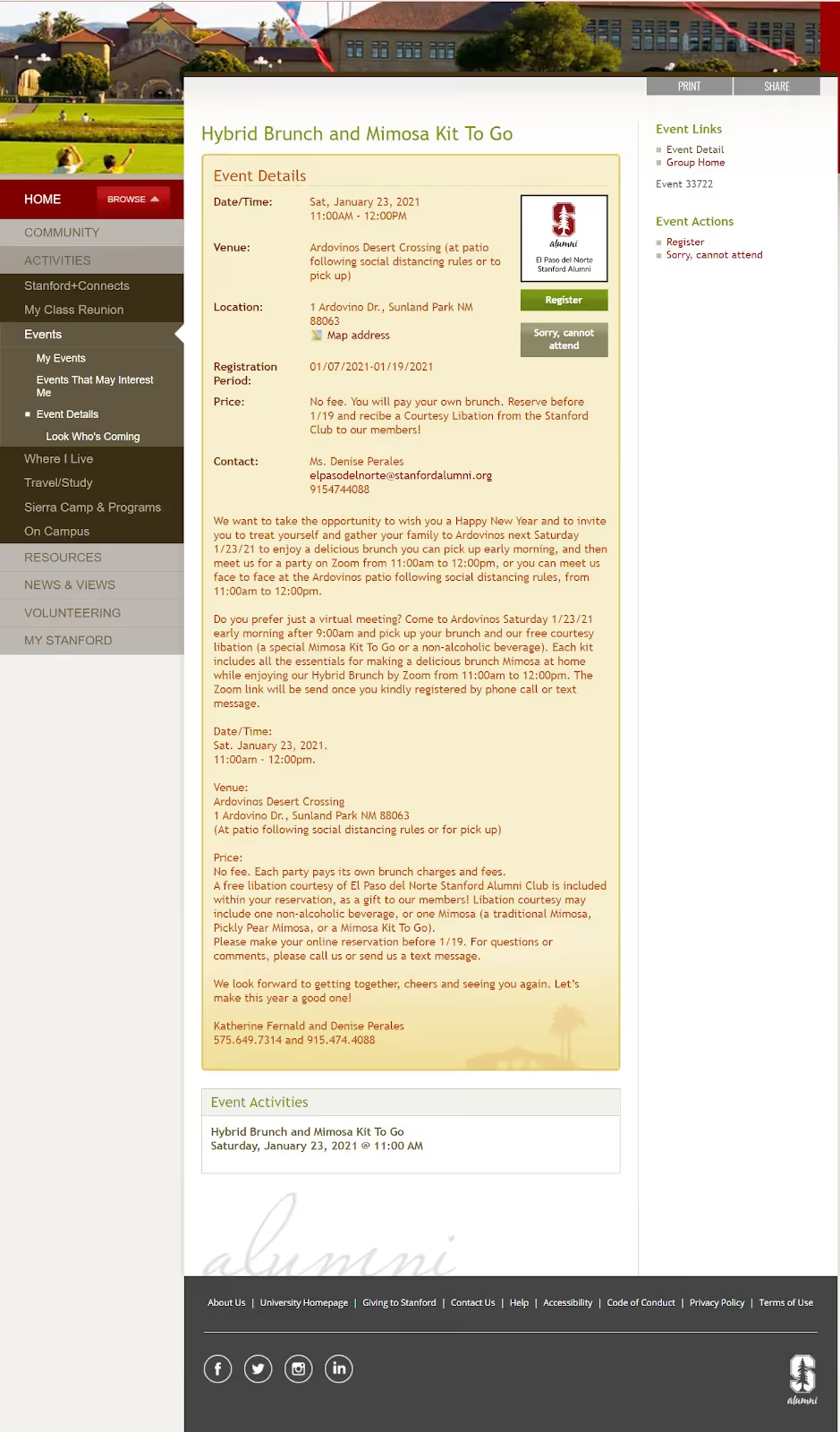
Your alumni programming should be centered on your alumni. Regularly collect feedback and ask your alumni what they’d love to see. Open yourself to ideas beyond events and fundraising campaigns, when you ask for suggestions. An easy way to do this would be to send out questionnaires to your alumni via email or conduct polls on social media. Whether it is an online networking fair to promote interaction between alumni or a virtual dance party: you could be surprised at the innovative suggestions you might get from your alumni.
The best way to encourage alumni to share their suggestions is by providing lucrative incentives. An e-gift card or a small memento from their time at college could be a great motivation for your alumni to participate.
West Virginia Wesleyan College conducted a survey to ensure the opinions of their alumni are heard and taken into consideration while planning the virtual homecoming for the class of 2015.
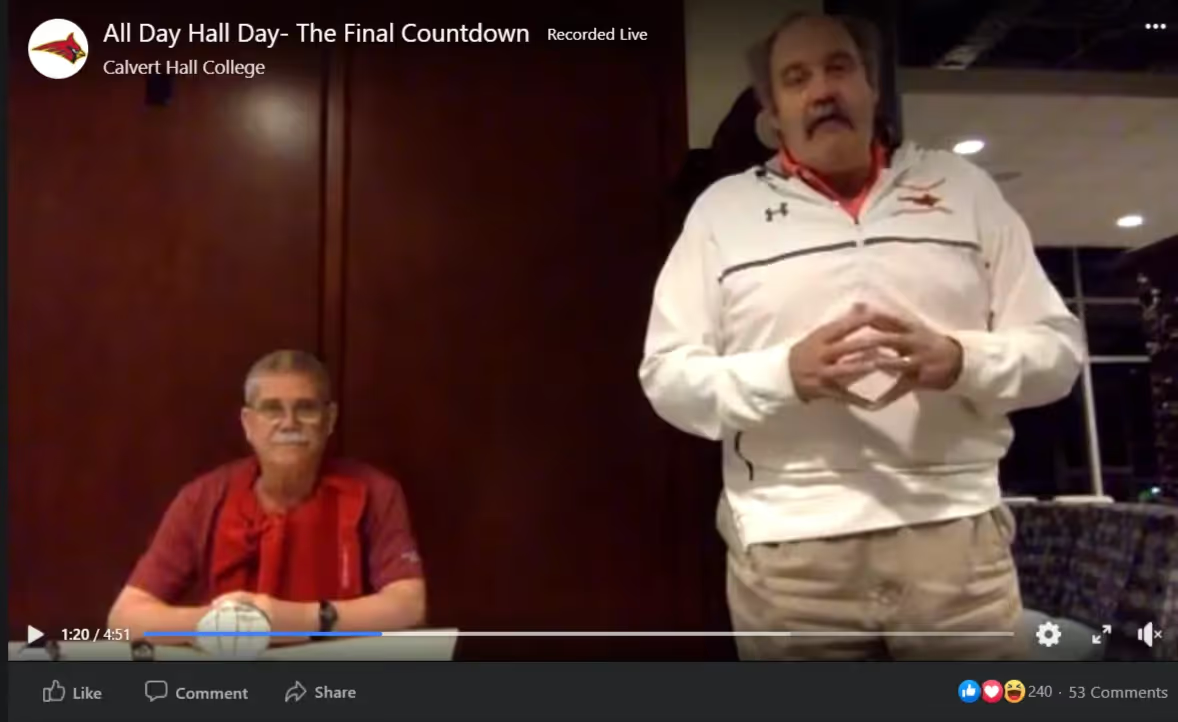
Fundraisers continue to be a mainstay for any alumni relations program. Along with aiding important causes, turn your fundraisers into fun and festive affairs. Drive competition amongst alumni, students, and faculty members by setting challenges to unlock new milestones. To make it more engaging, conduct a poll with some challenges for alumni to choose from! Have a look at Calvert Hall College High School’s out-of-the-box challenge at their 5th Annual All Day Hall Day.
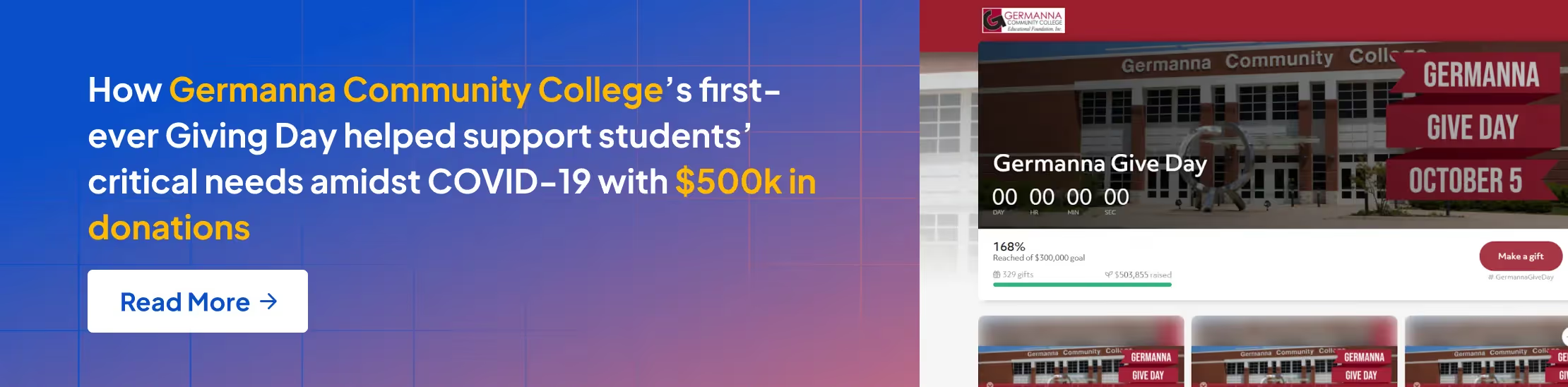
Ever since the pandemic forced forced furloughs and small alumni businesses to shut down, professional networking events such as job fairs and virtual conferences slowly became an integral part of alumni programming. After all, there is no better way to build strong relationships with your alumni than helping them power through when they need you the most.
Speaking of those hit the worst by the pandemic, one cannot overlook the Class of 2020, 2021, and 2022. These young graduates are looking at a potentially rough start to their careers even in 2024 as the economic situation and job market continues to prove hard to navigate. Your alumni network is a valuable source of opportunities for these new graduates looking for internships and jobs. Organizing virtual networking events can help facilitate job shadowing services, and serve as a major boost towards career development and discovery, helping students find their field of interest and get hands-on experience.

Social media has undeniably become the most powerful tool for communication, particularly in the last few years. A strong social media presence is not only advisable but almost necessary to keep your alumni engaged. While young alumni are turning towards more instant modes of communication, your regular mail in their inbox can go unnoticed. Start a trend to share a memorable moment from their college years with a hashtag on your handles, post a picture from their graduation days, the ideas are unlimited!
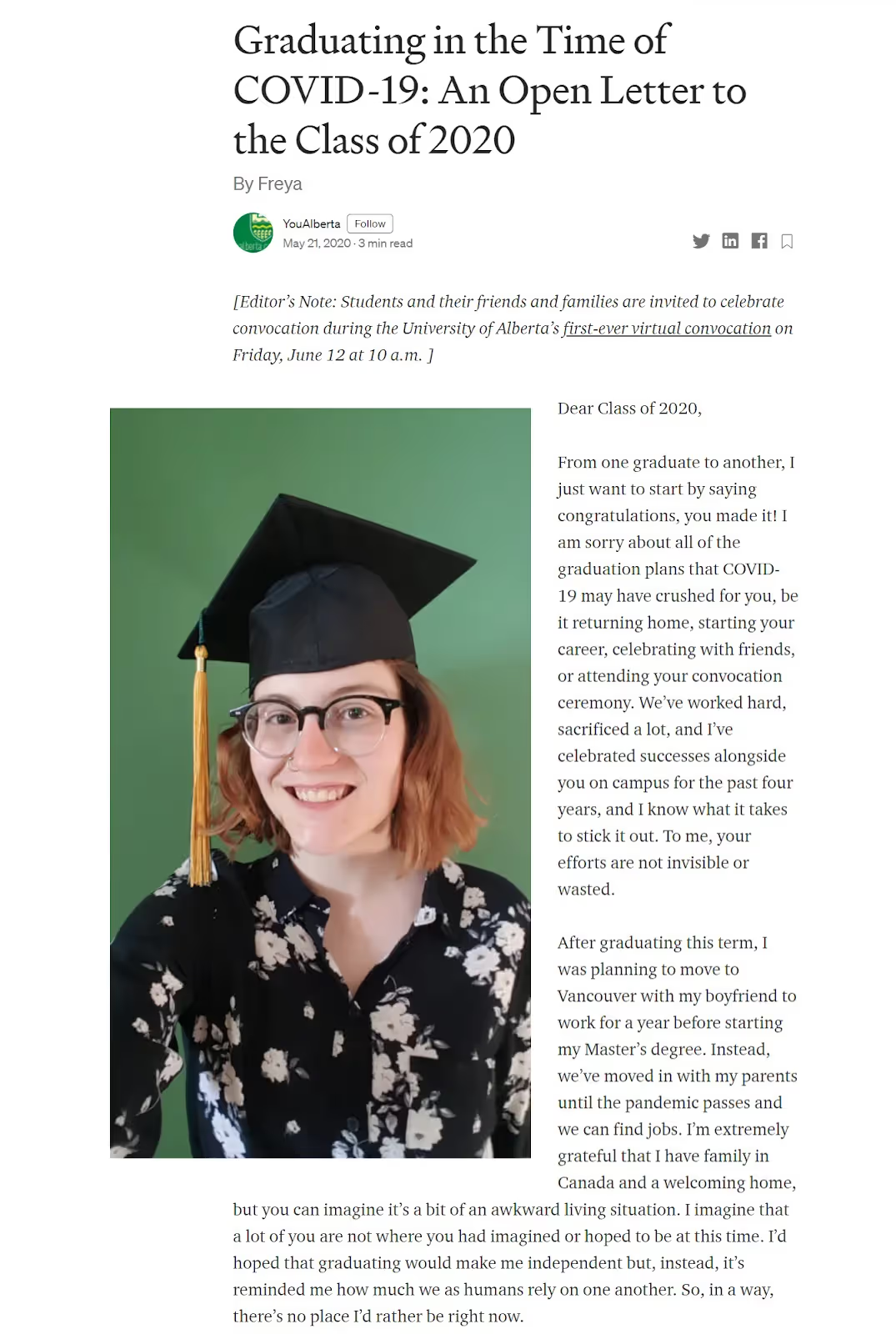
Here is an idea to try: Invite your alumni to write open letters of support to your current students. As your students feel fatigued with online classes, assignments, and exams, and struggle to find internships and jobs, letters from their favorite alumni can help put a much-needed smile on their faces.
While the pandemic brought along its own set of challenges, it also provided us with ample room for trying out new ideas. Traditionally, it would have been harder to implement these new ideas, especially with the pre-existing programs giving us fairly good results. But we have learned valuable lessons from both the pandemic and the post-pandemic situation, and as the alumni relations keeps evolving, the best time to experiment with your alumni programs is now.

5 Ways To Level-up Your Alumni Relations Program
Lorem ipsum dolor sit amet, consectetur adipiscing elit. Suspendisse varius enim in eros elementum tristique. Duis cursus, mi quis viverra ornare, eros dolor interdum nulla, ut commodo diam libero vitae erat. Aenean faucibus nibh et justo cursus id rutrum lorem imperdiet. Nunc ut sem vitae risus tristique posuere.
2024 was an interesting year for fundraising professionals. Persistent and emerging challenges in the nonprofit landscape coincided with some. While some issues carried over from previous years, new dynamics reshaped the way organizations navigated their work.
Last year was a year of highs and lows for fundraising and advancement professionals. From staffing struggles to shifts in donor behaviors, the year brought challenges that tested the resilience of nonprofits across sectors. However, these hurdles also paved the way for innovation, collaboration, and strategic rethinking, setting the stage for what 2025 might bring.
The donor landscape in 2024 presented an interesting problem. While overall donations increased, the donor pool continued to shrink. According to the Association of Fundraising Professionals (AFP), there was a 2% increase in total donations but a 4.5% decline in the number of individual donors. This trend posed a significant challenge for nonprofits reliant on a broad donor base for smaller, recurring contributions.
Staffing shortages and high turnover rates continued to be among the most pressing concerns for nonprofits in 2024. According to a study by NonProfit PRO, nearly 70% of nonprofits reported struggling with staffing challenges, citing underfunding and burnout as primary drivers.
This crisis was compounded by the competitive job market, which made it difficult for nonprofits to attract and retain talent. High turnover negatively impacted team morale and operational efficiency, forcing many organizations to stretch already limited resources to achieve their goals.
The rise of AI and other tech tools has been both a blessing and a challenge for nonprofits. While AI offers powerful capabilities—from predicting donor behavior to automating administrative tasks—it also requires significant investment in training and implementation. Many teams struggled to fully integrate these tools due to lacking technical expertise or financial resources.
The use of AI also brings forward some ethical concerns that increasingly became relevant throughout the year. There exists the risk of over-automating donor communication, which could lead to a loss of the personal touch that is central to alumni engagement. For smaller organizations, the hype around AI could also lead to investments in tools that did not align with their needs, diverting funds from more pressing priorities.
Despite the challenges, nonprofits showcased remarkable resilience. Many embraced hybrid fundraising models, combining virtual and in-person events to engage a broader audience. Charity Digital reported that organizations leveraging digital tools for storytelling and donor engagement saw significant returns on investment.
Additionally, DonorBox emphasized how nonprofits that invested in robust donor communication tools experienced improved retention rates, especially during year-end campaigns.
As we move into 2025, nonprofits more than ever need to build on the lessons of 2024 by focusing on sustainable growth and strategic innovation.
Resilience emerged as a defining characteristic in 2024, and nonprofits should ideally look to build upon it by adopting sustainable strategies and scalable practices, to better navigate uncertainty and a world that’s throwing a lot of innovations at us without leaving us much time or resources to consider our approach to each of them. With all that being said, we’d like to explore some broad focus areas that teams and institutions alike should watch out for in 2025:
The excitement surrounding AI and other technologies in 2024 often led to unrealistic expectations for nonprofits. A research paper published by Lauri Goldkind, Joy Ming, and Alex Fink critically assessed AI’s role in human services, questioning whether it offered genuine value or was simply a trend driven by hype. The study concluded that while AI holds transformative potential, it requires proper alignment with an organization's size, mission, and resource constraints to be effective.
Throughout 2025, Nonprofits should be shifting focus toward scalable and budget-conscious technology solutions. For example, a hypothetical smaller team that only needs a CRM and basic analytics could leverage low-cost digital tools and achieve better outcomes if these tools are customized to their specific workflows and objectives, as opposed to trying to cover all their bases and wasting both resources and time spent on upskilling.
The staffing crisis doesn’t seem to be letting up anytime soon with 68% of organizations reporting difficulties with recruitment and retention in 2024. Common challenges include toxic work cultures, burnout, uncompetitive salaries, and insufficient training opportunities. Increased investment in professional development, equitable pay structures, and supportive workplace cultures have been big talking points for a while but now they need to become key priorities. Policies aimed at reducing burnout, such as flexible work schedules and mental health support should be a good starting point.
Additionally, peer mentoring and community-building efforts are gaining traction. Nonprofits can leverage mentorship programs and peer support networks to foster a sense of community within their teams, leading to improved job satisfaction and retention.
At the heart of every nonprofit is its people—the staff, donors, and volunteers whose collective efforts drive change. By fostering positive internal cultures and focusing on impactful strategies, nonprofits can inspire trust and loyalty, ensuring their mission thrives in the years to come.
Nonprofits have responded to the recent donor market shifts by focusing on deepening relationships with existing donors. Strategies such as targeted communication and personalized outreach have since become standard practice. 2025 should be a good year for teams to consolidate knowledge of their tools and long-term goals so that they continue fostering donor loyalty seamlessly. A key area of focus will be on small and medium-sized donors and how teams can turn them into loyal donors moving forward.
With federal budget cuts for nonprofits and institutions seeming likely on the horizon, advancement and nonprofit teams especially in the US will need to explore sustainable alternatives to reach their goals.
That’ll just about do it for now but with 2025 seeming a difficult year to predict, there should certainly be a lot more to talk about in the coming months.

Key focus areas for fundraising in 2025
Lorem ipsum dolor sit amet, consectetur adipiscing elit. Suspendisse varius enim in eros elementum tristique. Duis cursus, mi quis viverra ornare, eros dolor interdum nulla, ut commodo diam libero vitae erat. Aenean faucibus nibh et justo cursus id rutrum lorem imperdiet. Nunc ut sem vitae risus tristique posuere.
Homecoming is one of those rare chances to make nostalgia work for you — rekindling old ties, reminiscing, and building relationships that go the distance. A strong theme is essential to tie these together and set the vibe.
In this post, we have rounded up great homecoming themes and ideas, fresh takes on traditional homecoming activities, and creative ways to make your homecoming event unforgettable. Check out these awesome alumni homecoming ideas that work for everyone-
A time capsule is all about resurfacing the little moments that made your alumni feel at home—those unexpected corners where friendships formed, ideas took shape, and memories lingered long after the halls emptied. For example, take the Trojan Time Capsule.

For Homecoming 2024, USC carved out a snug recording booth beside Tommy Trojan and invited alumni to hit “record” and describe everything from midnight cram sessions in Doheny to dawn jogs around the Reflecting Pool. Each voice memo wove into a dynamic online soundscape, letting anyone—new students, returning grads, or visitors—virtually stroll through those treasured snapshots of campus life.
You can bring this same magic to your Homecoming. Pick a few of your campus’s most beloved or off-the-beaten spots and set up simple “Echo Booths” there. Then stitch those snippets into an interactive map or soundboard on your event site. Suddenly, “Echoes of the Campus” isn’t just a theme—it’s a living archive of your school’s heart and soul.
Imagine turning your Homecoming into an “Impact Week.” Take Hampton University as an example: their “Pirates Island” Homecoming in October 2024 welcomed 25,000 guests and infused roughly $3 million into Hampton and Coastal Virginia. When alums see their weekend reconnecting them to hometown businesses, it becomes more than nostalgia—it’s pride in tangible impact. That goodwill loop fuels participation: people RSVP earlier, bring friends, and share stories on social media. And when they return home, seeing how their dollars helped the local café or bookstore, they’re more inclined to open their wallets for the next big campaign, whether renovating an old lecture hall or funding the first‑generation student scholarship.

Hybrid homecomings merge on-site excitement with virtual inclusion. At Tokyo Tech’s Homecoming Day 2024, the “Team Tokyo Tech Meeting” welcomed their alumni in person and online. You can replicate this by live-streaming keynote lectures, matches, tailgate parties, opening virtual lounge chats, offering 360° campus tours, watch parties, running real-time polls, and pairing in-hall networking pods with Zoom breakout rooms—so every alum can cheer, connect, and contribute no matter where they are.
Kicking off your Homecoming hype with a signature hashtag and mini‑gigs gets everyone talking. Think along the lines of the GlowGreen Initiative by MSU, where students and alums lit up campus, front porches, windows, rooms, or any space in neon gear to create an online buzz about their 2024 homecoming event, ‘Come Home Spartans,’ which became a huge success.

Likewise, you could launch #BlueOutBrunch, inviting everyone to share sunrise tailgate pics over a live DJ set, or a surprise “Flash Cheer” squad that erupts into a chant in the student union under #RoarWithUs. These hashtag prompts and pop‑up gigs spark shareable moments, build momentum on socials, and have everyone counting down the days until kickoff.
A retro theme never misses the beat: it taps shared nostalgia across generations, needs only simple décor (neon signs, vinyl records, roller skates), and invites everyone to relive their favorite era. For example, Rockford University’s 2023 Homecoming transformed the campus into a nostalgic journey through the decades. Each day of the week celebrated a different era, from the funky 1970s to the early 2000s.

By hosting a retro-themed homecoming, students and alumni get to relive their favorite decades. Whether you stage a glow‑stick dance floor or dust off a classic arcade cabinet, retro vibes guarantee a full house—because who doesn’t love a trip down memory lane?
An inclusivity-themed Homecoming invites every voice to the celebration, and schools like Emory University are showing how it’s done. Their 2024 “Belonging at Emory” Homecoming series featured multicultural food trucks, international music nights, and panel discussions led by alumni from diverse backgrounds. To bring this to your campus, you could host a “Cultures on the Quad” festival with heritage booths, world cuisines, and student performances. Add community-led story circles or alumni spotlight walls featuring first-gen journeys and intersectional experiences. A theme rooted in diversity doesn't just build belonging—it turns your Homecoming into a mirror of the world your students will lead.
Pop culture–themed events are crowd magnets, especially when students and alumni get to step inside their favorite fictional worlds. In 2024, Lander University embraced this trend with their Homecoming theme, “Celebrating the Spirit of the New Millennium.” The event transported attendees back to the early 2000s, highlighting iconic fashion trends, unforgettable music, and the vibrant pop culture of the era.
Whether it’s MTV vibes, Y2K fashion, or throwback chart-toppers, the nostalgia hits different when it’s immersive. Themes like these can transform your typical reunion into a star-studded event. It will bring cinematic flair and nostalgia into the real world, making your Homecoming not just a weekend, but an immersive experience alumni won’t want to miss.
This year, why not let the quad double as a launchpad? Imagine rows of pop-up stalls, each run by alumni who turned dorm room dreams into thriving ventures— app prototypes, travel consultancies, organic bakes, and everything in between. During last year’s homecoming, the University of Rhode Island (URI) introduced the Rhody Marketplace. This initiative brought together alumni entrepreneurs to showcase their businesses at a live event, fostering connections between alumni, students, and the broader university community. So, an Alumni Marketplace isn’t just a celebration of entrepreneurial spirit; it’s a golden intersection of legacy and opportunity. By hosting a homecoming focused on this, you can provide the students a chance to shake hands with future employers, internship mentors, and role models who once sat in the same lecture halls. For alumni, it’s recognition long overdue—proof that their journey matters, and that their alma mater is still cheering them on.
What if homecoming was less about confetti and more about causes? When the community comes together not just to remember the good old days, but also to fundraise and support local needs, it creates real change. At Truman State University, homecoming transcended traditional celebrations by emphasizing charitable giving and making a tangible difference through collective efforts during homecoming festivities.

Unlike the usual fanfare of parades and tailgates, a cause-centered homecoming reimagines what it truly means to return home. It transforms nostalgia into action, inviting alumni not just to relive memories, but to create impact.
A scavenger hunt-themed homecoming event is a fun and interactive way to bring alumni and students together. For example, the University of Wisconsin–Madison hosted a family-friendly scavenger hunt during their homecoming with clues tied to the university’s history and traditions, fostering a sense of nostalgia and community.

While revisiting the favorite campus spots, participants work in teams to solve clues and find hidden items around campus. This kind of event builds school spirit and encourages participants to connect and reminisce about their time at the university.
Whether through the excitement of a scavenger hunt or the heartfelt connection of a nostalgia-themed event, the possibilities for bringing alumni together are endless. By embracing these unique ideas, universities can create lasting memories and strengthen their community spirit year after year.
Homecoming is the perfect moment to reignite alumni connections and build momentum for year-round engagement. We’d love to help you make your upcoming homecoming the kind that keeps alumni returning — not just for the memories, but for the community. With tools built for seamless event management, expansive digital engagement, and online giving, we help you build the homecomings of your dreams.
Want to see it in action? Request a demo and bring your next homecoming to life
Homecoming is an annual tradition primarily observed in high schools and colleges that celebrates school spirit and community by welcoming back alumni or former members to their alma mater.
Homecoming is typically in the fall and is a celebration of your school spirit and community. Prom is typically held in spring and is usually a formal dance marking the end of the high school experience.
It’s a week of dress-up days, pep rallies, parades, and other community events. A football game is usually the main event, with alumni in the stands.
Homecoming not only celebrates your institution’s spirit but also brings current students, faculty, alumni, and members of the local community together to create lasting memories and strengthen the overall community feeling.

10 unique homecoming theme ideas to plan the perfect event
Lorem ipsum dolor sit amet, consectetur adipiscing elit. Suspendisse varius enim in eros elementum tristique. Duis cursus, mi quis viverra ornare, eros dolor interdum nulla, ut commodo diam libero vitae erat. Aenean faucibus nibh et justo cursus id rutrum lorem imperdiet. Nunc ut sem vitae risus tristique posuere.
Sharada Koti
April 23, 2025
12 minutes
%201.svg)
%201.svg)
%204.svg)


.svg)