In this blog, we'll take you through over 20 ways to engage your online communities to foster loyalty, inspire giving, and grow your brand for future programs.

Sharada Koti
Updated:
May 19, 2026

Summary
• To boost participation, start by designing inclusive online experiences that cater to diverse alumni schedules and interests, like offering flexible mentorship or short-term project collaborations. This directly tackles low alumni engagement by making it easier and more appealing for busy graduates to contribute.
• Maximize your CRM data by actively using it to understand what truly resonates with different alumni segments, which then helps you tailor programs and outreach more effectively. This ensures your efforts are relevant, leading to stronger connections and better fundraising campaign results.
• Empower your alumni network by enabling peer-to-peer engagement, such as creating an alumni-owned business directory or supporting peer-led fundraising campaigns. These initiatives deepen alumni involvement and can tap into new donor bases more organically.
• Revitalize your event strategy with a mix of virtual and hybrid options, like live-streaming campus events or hosting themed trivia nights, to overcome geographical barriers. This makes your events more accessible and increases participation, crucial for maintaining strong alumni relations.
• Leverage engaging storytelling and digital content, from spotlighting alumni journeys to faculty AMA sessions, to keep your community connected and proud. These stories strengthen institutional pride and encourage sustained alumni engagement beyond just asking for donations.
• Always close the loop by showing alumni the tangible impact of their participation, whether it’s through successful fundraising totals or student mentorship outcomes. Demonstrating their contribution reinforces their value and encourages ongoing support and deeper involvement.
Every thriving community begins with participation. For schools, higher ed institutions, and nonprofits, that might look like an alum mentoring a student, a parent joining a virtual town hall, or donors rallying behind a cause. Small contributions like these build on each other, shaping the volunteerism, advocacy, and momentum that sustain your mission.
When you have a community that spans multiple time zones and busy schedules, the real challenge is to design experiences that truly feel inclusive. Getting people involved can feel like an uphill battle, but it doesn’t have to. A few thoughtful adjustments to your approach can unlock more consistent and meaningful engagement.
With that in mind, we’ve compiled over 20+ ideas to simplify and enhance engagement in 2026. These are practical ways to boost participation, turn involvement into long-term support, and keep the energy in your community moving.
Looking for a roadmap tailored to your needs? Discover how Almabase helps communities run events, engagement, and giving on one platform.
An online community that has consistent and meaningful interaction can unlock advantages that traditional channels often can’t for advancement teams. These interactions leave behind clear signals of interest, making it easier to understand alumni priorities and build stronger connections. They also remove barriers of distance and time, creating opportunities to involve graduates who might otherwise remain out of reach.
Here are 25 ideas, each to transform your online community into an essential resource for your alumni-
Your alumni community becomes stronger when it helps members grow in their careers. By positioning your network as a space for guidance, connections, and learning, you create lasting value.
Offer flexible formats that connect alumni at different stages of their careers. Structured programs can match mentors and mentees through data-driven pairings, while flash mentoring events provide quick, focused conversations without long-term commitment. Together, they make it easy for alumni to give and receive guidance in ways that fit their schedules.
Create spaces where alumni learn directly from one another. Small roundtables can dive into industry trends, while themed panels highlight career pivots and personal journeys. Both formats give members access to insider knowledge and relatable stories, making the community a go-to place for real-world insights.
Build a digital library that alumni can access anytime. This could include resume guides, salary negotiation tips, or recorded lectures from faculty and industry experts. Keeping this content exclusive adds clear, practical value to being part of your network.
Host short, focused workshops led by alumni or faculty on topics like leadership, data storytelling, or personal branding. These sessions offer hands-on learning and help members pick up new tools they can apply right away.
Centralize job and internship postings within your platform. Alumni can share openings from their organizations, giving others a direct path to opportunities while reinforcing the idea that the network actively supports their professional growth.
Some of the strongest connections happen when alumni drive momentum themselves. Your role is to create the space and tools for those peer-to-peer bonds to thrive.
Create a searchable hub where alumni can list and discover businesses owned by fellow graduates. Beyond visibility, it encourages alumni to support each other’s ventures, fostering a “buy alumni” culture. Featuring rotating spotlights like a “Business of the Month” which adds recognition and keeps the directory lively.
Empower passionate alumni to take on leadership roles. Ambassadors can organize meetups in their city, welcome new graduates, or rally volunteers for campaigns. Equip them with a toolkit of templates, brand resources, and event ideas so they feel supported while extending your reach.
Instead of every appeal coming from the institution, let alumni take the lead. With personal fundraising pages, they can champion causes that matter to them. Whether that’s a scholarship fund or a student club initiative. This grassroots approach creates deeper ownership and often draws in gifts from networks you might never reach directly.
Offer short-term opportunities for alumni to collaborate. For example, a three-month committee to plan a cultural showcase, designing a mentorship toolkit, curating alumni stories, mentoring a student for an hour, reviewing portfolios, or providing professional feedback. These projects appeal to busy professionals who can’t commit year-round but are eager to contribute in bursts of time and expertise.
Invite alumni to host informal webinars or live Q&As on topics they’re passionate about, from launching a startup to balancing career and family. These sessions position alumni as thought leaders, while providing practical, real-world learning for the community.
Stories are at the heart of engagement. Sharing authentic experiences and milestones reminds alumni of their shared identity and the impact they continue to make.
Celebrate alumni achievements while highlighting their long-term paths. This could feature recent success stories, career transitions, or reflections from former student leaders and creatives. Combining recognition with narrative, these stories inspire peers, show the value of an education from your institution, and reinforce community pride.
Reconnect alumni with professors through live "Ask Me Anything" events. These sessions provide a casual, engaging way for graduates to ask questions, hear about current research from their favourite faculty and feel connected to the evolving campus life.
Showcase the accomplishments of current students to bridge generations. Highlight scholarship recipients, award-winning teams, or innovative projects. Seeing the tangible results of their support strengthens alumni pride and encourages ongoing involvement.
Offer alumni the chance to run your social media channels for a day. They can share personal stories, career experiences, or campus memories, giving peers an authentic look into their lives and perspectives. This fresh, unfiltered content keeps engagement lively and relatable.
Launch campaigns around themes like “Alumni Making a Difference” or “Campus Then & Now.” Curate photos, videos, and short written reflections to weave a narrative across channels. Themed campaigns provide structure while still allowing many alumni to participate and share their stories.
Creating memorable, accessible experiences keeps alumni connected to each other and the institution. The right events spark engagement, foster nostalgia, and make participation easy across geographies.
Broadcast homecoming, lectures, or student showcases so alumni can join from anywhere. Interactive features like live chat, polls, or Q&A sessions make virtual attendees feel part of the action, not just observers. These events give alumni who can’t travel a chance to celebrate milestones and stay connected to campus life.
Engage alumni through curated groups that meet online regularly around shared hobbies or interests like hiking, photography, cooking, or book discussions. Inviting a graduate to lead sessions or spotlighting alumni contributions adds a personal touch. Over time, these groups create smaller, dedicated communities within your network, encouraging repeat engagement and fostering meaningful conversations around shared passions.
Host friendly, competitive events focused on university history, campus traditions, or milestone decades. Trivia nights encourage alumni to reminisce, spark laughter, and connect across generations. They’re low-pressure, fun events that make it easy for alumni from anywhere in the world to join and interact, often sparking follow-up conversations long after the event ends.
Organize short, informal meetups with specific themes or for select groups (e.g., young alumni in tech, regional chapters, or parents of current students). These casual settings encourage alumni to talk, exchange ideas, and meet new people without committing to a full-scale event. They’re perfect for building local or niche communities while keeping energy high and logistics simple.
Bring together alumni from different decades to share personal stories and lessons learned. These small-group conversations help newer alumni see the long-term impact of their education, while older graduates reconnect with the evolving culture of the institution. Cross-generational exchanges build a sense of legacy and continuity, strengthening bonds across the entire alumni network.
This section focuses on innovative ways to involve alumni that go beyond traditional events or giving, making participation fun, purposeful, and mutually beneficial.
Pair younger alumni with seasoned professionals to share insights on emerging technologies, industry trends, or modern work practices. This two-way exchange benefits both groups: younger alumni gain guidance, while senior alumni stay updated and connected to the latest developments.
Use interactive social media features to spark participation with fun, university-related questions. Polls or quizzes about campus history, student life, or alumni trivia keep the community active and encourage sharing, creating low-effort but high-value engagement.
Make it easy for recent graduates to join the alumni community with a simple, compelling online form. Feature it on your website and in welcome emails, giving newcomers a clear first step to participate in programs, discussions, and events tailored to their interests.
Turn updating alumni contact information into a friendly competition. Offer a prize for the class or affinity group that verifies the most profiles. This gamified approach keeps data accurate while making the process engaging and rewarding.
Organize short, themed challenges that alumni can participate in over a day or week like submitting a campus memory, sharing a professional tip, or posting a photo from their graduation year. These bite-sized activities drive engagement, create shareable content, and make alumni feel involved.
Creating lasting connections goes beyond hosting events or sending newsletters. Here’s what to keep in mind to make every initiative count:
A comprehensive and customizable alumni and donor engagement platform like Almabase makes it simple to put these strategies into motion. From branded directories and seamless onboarding to virtual events and mentoring programs, everything lives in one place. Built-in analytics show in real time which initiatives are driving participation, connections, and impact, so you know where to double down.
For community managers and advancement teams, the day-to-day tasks like messaging members, segmenting groups, or surfacing the right opportunities take just a few clicks. With our Re: NXT integration, all engagement data flows directly into your advancement CRM, so nothing gets lost between platforms. Features like Next-Gen Directories, Event Management, and Affinity Groups go beyond the basics, making it effortless for alumni to connect, RSVP, and engage on their own terms. With an all-in-one platform powering your strategy, advancement teams can focus less on logistics and more on creating meaningful engagement.
Hopefully, this blog gave you a chance to step back and appreciate one of the cornerstones of advancement and alumni relations. Even the most experienced teams benefit from revisiting why these events exist in the first place; it’s a chance to approach your next one with fresh ideas and renewed perspective. Because when done well, they remind graduates why they belong, spark pride in your institution, and create new ways for alumni to support one another.
If you’re looking for a partner to help plan your next alumni event and make it a success, we’d love to chat. Whether it’s brainstorming, planning, or running the event, you can start a conversation or request a personalized demo, and we’ll help you bring your vision to life.
Subscribe
See how modern advancement teams bring alumni engagement and fundraising together.
Plan faster. Execute better
Explore free templates designed for alumni and fundraising teams.
.png)

.avif)
Sharada Koti
Alumni engagement is not just a buzzword—it’s a critical component of an institution’s long-term success. It involves cultivating meaningful, lasting connections between graduates and their alma mater, relationships that provide mutual value.
In fact, 87% of alumni professionals acknowledge the need to improve member engagement, underscoring the demand for approaches that go beyond traditional methods. And in a world where digital communication is so crucial, implementing alumni engagement best practices means having a solid alumni engagement strategy backed by thoughtful planning and the right technology to bring it to life.
This guide takes you through ten proven strategies to refresh your approach and build stronger, more sustainable bonds with your alumni community.
Alumni engagement refers to all the ways in which graduates stay connected to their alma mater after they’ve moved on—whether it’s by attending reunions, mentoring students, offering their professional expertise, or even making a donation. The Council for Advancement and Support of Education (CASE) defines alumni engagement as any activity that alumni find valuable, that helps build long-term, mutually beneficial relationships, and that encourages loyalty, support, and a stronger institutional image.
And the benefits go well beyond fundraising. When alumni are actively engaged, they become powerful allies for the institution. They:
A great real-world example comes from Franklin College, which built a comprehensive scoring system to track alumni interaction across multiple channels. Using tools like Power BI and automation, they created a live dashboard that gave them a clear view of engagement metrics. This helped them pinpoint their most involved alumni and personalize their outreach—an excellent model of how a data-driven alumni engagement plan can deliver impressive results.
Another success story comes from the California College of the Arts’ MBA in Design Strategy (DMBA) program. With limited resources, the team launched a crowdfunding initiative using Almabase. In just 21 days, they raised $4,534—not only covering their platform costs but also jumpstarting a dynamic online alumni community. It’s a perfect example of creative and strategic alumni engagement that brings people together and makes a lasting impact.
Here are ten strategies for boosting alumni engagement this year, with insights into how Almabase can help institutions implement these approaches effectively.
Tailored outreach is essential for meaningful engagement. Generic mass emails and one-size-fits-all communications no longer resonate with today's alumni, who expect personalized experiences in all their digital interactions.
According to Campaign Monitor, segmented email campaigns can result in a 760% increase in revenue compared to non-segmented campaigns. Additionally, emails with personalized subject lines are 26% more likely to be opened.
Almabase enables institutions to automate personalized communications at scale by analyzing alumni data and creating dynamic content based on individual preferences, career paths, and past engagement history.
Many institutions struggle with scattered data across multiple systems, making it difficult to gain a holistic view of alumni engagement.
Tracking alumni behavior—such as event attendance, volunteer participation, or donation patterns—provides insights that can optimize engagement strategies. Today, a well-maintained CRM combined with an effective tool can allow your institution to automate and personalize alumni communications at scale, track engagement through synced dashboards, and continuously enrich alumni data to keep relationships strong.
Almabase's engagement reporting consolidates touchpoints like email interactions, event registrations, and volunteer hours into actionable data. Institutions can categorize activities into experiential, philanthropic, voluntary, or communication-based touchpoints to better understand alumni interests and patterns of engagement.
Events that address specific career stages or interests typically see significantly higher attendance than general alumni gatherings.
Creating events tailored to specific alumni segments—such as virtual networking sessions for young professionals, industry-specific panels, or exclusive reunions—can drive higher participation rates.
An event management suite allows institutions to manage complex events easily, providing attendees with a seamless experience from registration to check-ins and payments. This comprehensive approach enables advancement teams to focus on creating meaningful experiences rather than managing logistics.
Connecting alumni with current students through structured mentorship programs fosters meaningful relationships while enhancing career opportunities for students. These programs also provide alumni with a tangible way to give back beyond financial contributions.
Many alumni engagement tools today support mentorship initiatives by offering tools that facilitate easy sign-ups, mentor-mentee matching based on career paths or interests, and tracking participation metrics. These tools usually include guided checklists and templates to assist institutions in setting up mentorship programs effectively. It also enables automated feedback loops, allowing for regular check-ins and the collection of feedback to improve the program over time.
Giving Empowering engaged alumni to act as ambassadors can significantly amplify outreach efforts. Ambassadors can lead initiatives such as fundraising campaigns, host regional meetups, or serve as points of contact for fellow alumni in their geographic area.
Many engagement tools can be used for ambassador programs to recruit, train, and support these volunteer leaders effectively. The platform offers resources like communication templates, marketing toolkits, and real-time tracking metrics to help ambassadors promote campaigns and events successfully.
Segmenting alumni into interest groups based on graduation year, academic program, career field, or geographic location ensures that communication remains relevant.
Beyond newsletters, creating dedicated content hubs where alumni can access resources related to their interests—whether it's career development, continuing education, or industry insights—provides value and keeps them connected to their alma mater between your events and campaigns.
Check out how institutions can use segmentation and automation to send personalized newsletters to different alumni groups, increasing both open rates and engagement here.
Recognition is a powerful motivator for continued engagement. It tells your alumni base that you value their time and contribution, and that you want to keep having them around. Digital badges, alumni spotlights, and public acknowledgment of volunteer contributions or professional achievements can significantly boost participation rates.
💡Almabase allows you to build alumni spotlights to recognize and celebrate alumni achievements.
Creating spaces for alumni with shared interests, identities, or experiences builds stronger connections to the institution. Whether based on student organizations, cultural backgrounds, or professional fields, these communities foster a sense of belonging that enhances overall engagement.
With tools such as Almabase's community-building tools, institutions can create dedicated spaces for affinity groups to connect, share resources, and organize their own events, driving deeper engagement through peer-to-peer relationships.
Institutions often struggle to maintain updated contact information for all graduates. As alumni change jobs, relocate, or adopt new email addresses, they can become disconnected from their alma mater despite a willingness to stay involved.
💡Almabase’s alumni directory addresses this challenge by enabling alumni to update their own profiles through user-friendly portals. Additionally, the platform simplifies the data enrichment process by allowing alumni to pull updated information from their Facebook and LinkedIn profiles. This data is presented in a neat dashboard for all your alumni outreach needs.
Fundraising is a key aspect of alumni engagement, but its success depends on offering diverse giving options that resonate with alumni interests and capacities.
Institutions that provide multiple channels for giving—such as annual funds, crowdfunding campaigns for specific projects, and peer-to-peer fundraising—often see higher participation rates across all metrics.
💡If you’re looking for an effective and easy-to-set-up giving platform, do check us out!
Alumni engagement is a long-term commitment to nurturing meaningful connections that benefit both the institution and its graduates. With the right approach, these relationships can evolve into powerful partnerships that support everything from mentorship and advocacy to fundraising and brand building.

10 Strategies to Boost Alumni Engagement in 2026
Lorem ipsum dolor sit amet, consectetur adipiscing elit. Suspendisse varius enim in eros elementum tristique. Duis cursus, mi quis viverra ornare, eros dolor interdum nulla, ut commodo diam libero vitae erat. Aenean faucibus nibh et justo cursus id rutrum lorem imperdiet. Nunc ut sem vitae risus tristique posuere.

Anwesha Kiran
April 22, 2025
12 minutes
Almost every advancement team has probably tried to build some kind of alumni community by now. The idea of having a well-connected alumni community with thriving conversations sounds great, right? But in reality, it's quite different.
Starting an online community is the easy part. Everything that comes after? Not so much. The initial buzz, most of the time, fizzles out.
Initially, the community members participate actively, engage in events, share content with each other, and some relationships form. Engagement is high, and there’s good energy.
Some members even take charge, helping to organize events and engage others in the community.
Then, over time, the decay sets in. Some people stop talking as much as they used to. Fewer people post. People stop checking the feed, forum, or board.
Eventually, the community dies, an empty shell of a once-bustling virtual town
Think about it—how many communities have you joined and eventually forgotten? How many WhatsApp or Facebook groups are buried somewhere in your archives?
Keeping an alumni community active isn’t just about setting it up; it’s about maintaining consistent and meaningful engagement. Over time, people get busy and lose interest, and the community becomes just another forgotten group.
The key question is: Is there value being added regularly? Are you sharing content and initiating programs that genuinely benefit your alumni? Without consistent, relevant communication, your community risks fading into the background.
Equally important is providing self-serve engagement options. Whether it's accessing job boards, updating class notes, or participating in networking and mentorship opportunities, giving alumni the ability to engage at their own pace ensures they feel more connected and empowered within the community.
In today's world of hyper-personalization, a one-size-fits-all approach rarely works. Think about why you started your community. What was the goal? Who exactly are you trying to reach? Are you offering value that resonates with your audience? And most importantly, what’s in it for them to stay engaged?
Content plays a central role in keeping your alumni community active. Alumni need to see relevant, engaging content consistently—otherwise, they quickly lose interest. Sporadic updates or generic posts won’t cut it. Tailored communication and programs that align with the diverse needs and interests of your members are key. If your community doesn’t offer consistent value through personalized content, it risks becoming irrelevant.
Imagine sending the same newsletter to all alumni, regardless of their class year, profession, or interests. One month, the newsletter highlights a reunion for the Class of 1995, the next, it promotes a networking event for tech professionals. While the intention is good, the content might not resonate with everyone. A recent graduate in tech might not be interested in a reunion event for a class they weren't part of, just as much as a mid-career professional might not find a networking event for young alumni relevant.
A common reason alumni communities falter is the lack of a solid infrastructure. Deciding where to host the community—be it a dedicated platform, email, or social media—can be tricky. As the community scales, tracking all the data and interactions in one place becomes challenging, making it hard to deliver tailored content.
To make matters worse, a short-staffed team can struggle to manage the growing demands, leading to a loss of momentum and declining engagement.
No one wants to deal with yet another app or website where they constantly need to sign up to access any information. Sure, having a sign-up wall creates exclusivity and keeps things secure when needed, but it’s crucial to strike a balance.
The key is to ensure alumni don’t feel like they’re jumping through hoops to participate. Tailor the content and provide self-serve engagement options, like job boards or class notes, so they can access valuable resources easily. More importantly, alumni need to feel motivated to contribute their own content. Whether it’s sharing job openings, posting updates, or joining conversations, they should be encouraged and nudged to engage regularly.
Equally important is how this content is shared. A well-designed distribution system ensures the right content gets to the right people in relevant formats, keeping the community active without feeling like a chore.
Managing multiple communities is a daunting task for a small team. That's where a modern tool comes in. Consistent communication and engagement are crucial, but doing this manually is time-consuming and prone to human error. This is where automation becomes a game-changer.
Here’s how Almabase helps you keep your community actively engaged through automatic event notifications, auto-digests, program alerts and more!
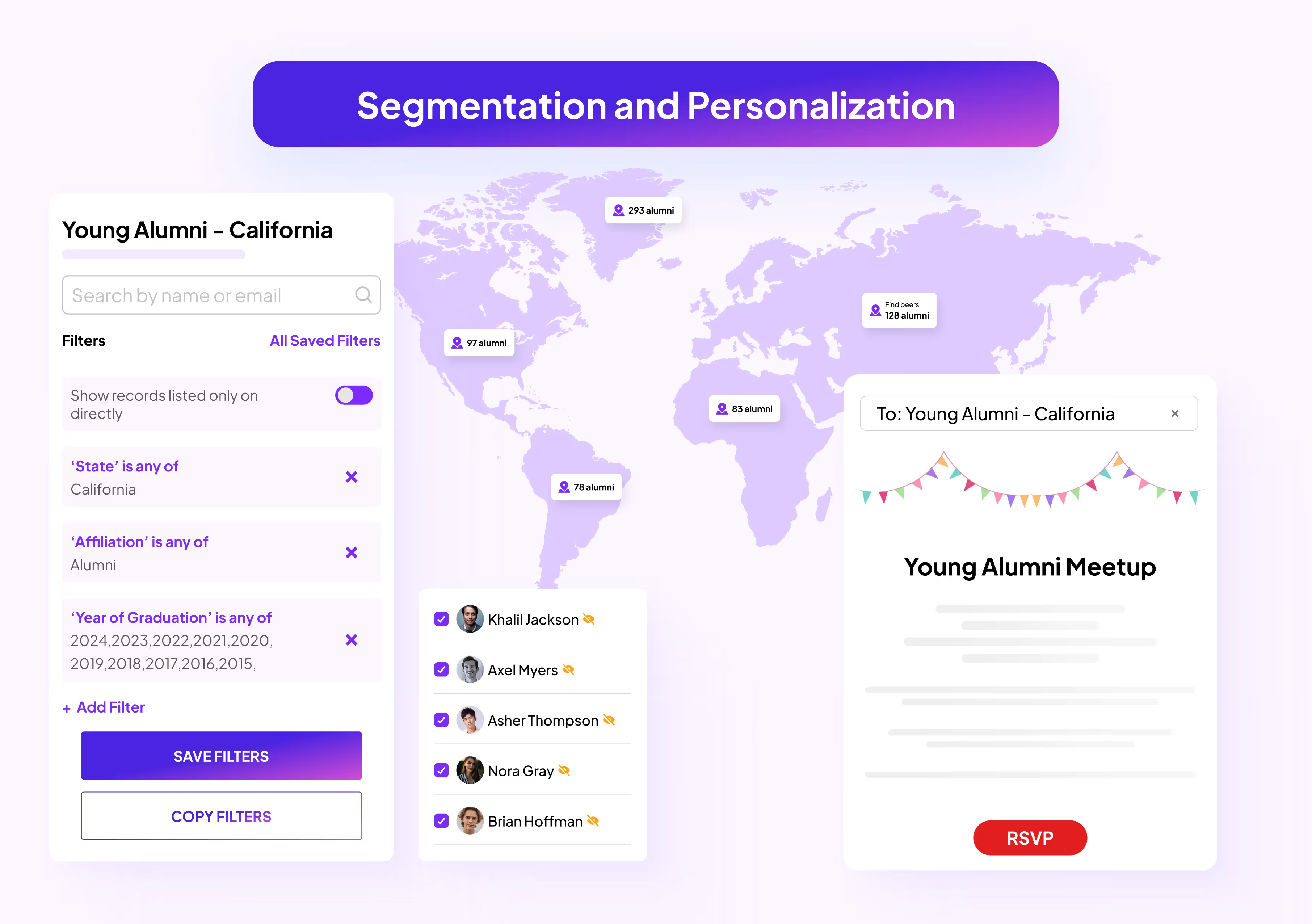
To create granular segments and personalize engagement, you need the ability to filter your alumni community data into various categories, such as interests, affinities, demographics, location, engagement levels, class years, and more.
For example, if a significant number of alumni are clustered in the Santa Monica area, you could host a regional chapter event. Or, you might create a special athletics newsletter for those who were part of sports teams in college. The key is to categorize your alumni into smaller, more focused groups to enhance your engagement efforts.
Leverage analytics to identify trends and pinpoint areas needing attention. Use these insights to guide content creation and community initiatives. With the right tools, you can create custom dashboards and reports to see what's working and where improvements are needed. In addition to these metrics, conducting surveys or polls is helpful to understand the community’s preferences and needs.
With real-time data providing a bird’s eye view of your constituents' engagement journey, you can swiftly identify potential donors, those most likely to engage or become mentors, and those highly active on your alumni site or in emails. This immediate insight into their intentions empowers you to act strategically and enhance their involvement.
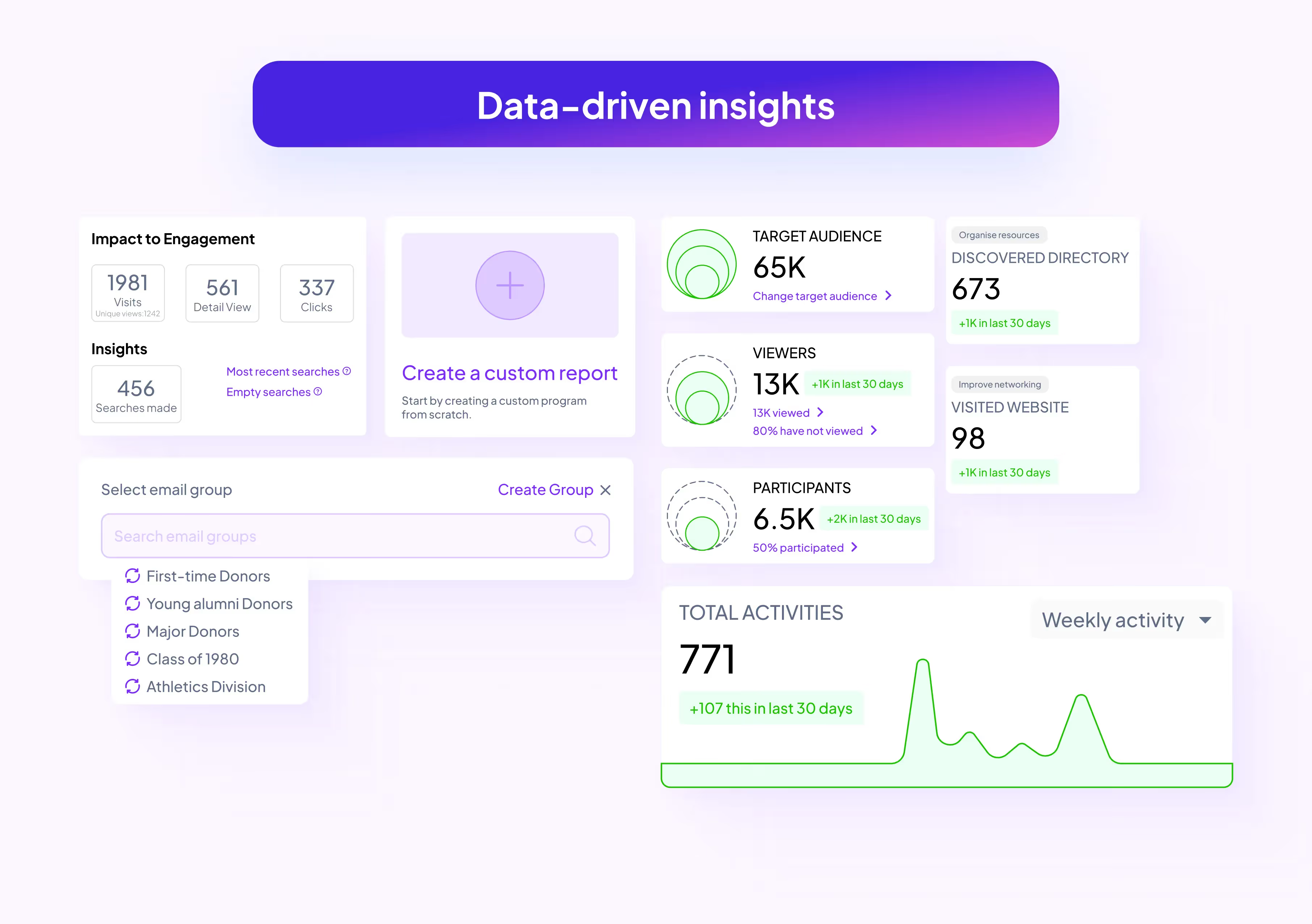
Keeping an alumni community active isn’t just about getting people to join—it’s about making sure they stay engaged. With the right mix of personalized content and smart tech, you can build a community that keeps alumni coming back for more.

How to keep your alumni community continuously engaged
Lorem ipsum dolor sit amet, consectetur adipiscing elit. Suspendisse varius enim in eros elementum tristique. Duis cursus, mi quis viverra ornare, eros dolor interdum nulla, ut commodo diam libero vitae erat. Aenean faucibus nibh et justo cursus id rutrum lorem imperdiet. Nunc ut sem vitae risus tristique posuere.
Your organization may be investing more time and resources into peer-to-peer fundraising than before, and for good reason. Peer-to-peer fundraising is growing in popularity—the top 30 programs activated 3.8 million participants in 2023, a 15.6% increase from the previous year.
To make peer-to-peer fundraising sustainable over the long term, consider your strategy comprehensively rather than event by event. Prioritizing community-building around your peer-to-peer fundraising efforts can create a successful long-term strategy that drives program retention.
As Bloomerang’s peer-to-peer fundraising guide states, “By bonding over your shared commitment to your cause, you can develop lasting relationships [with supporters] and secure continued support for your organization.”
Explore top tips for engaging your supporters by building a robust peer-to-peer fundraising community.
Peer-to-peer fundraisers, especially newcomers to your program, will feel more comfortable participating when you provide a clear fundraising roadmap. Develop a training process for peer-to-peer fundraisers by taking these steps:
Emphasize storytelling strategies in your onboarding and training sessions. By incorporating their unique stories and connections to your organization, fundraisers can create much more compelling appeals for support.
Encourage participants to workshop their stories with one another, identifying the most captivating elements to spotlight on their fundraising pages. This collaboration can create a sense of camaraderie among supporters, building a stronger community.
Create a text chain or social media group to maintain an open line of communication with peer-to-peer fundraisers. Use this communication channel to:
Encourage participants to engage with each other's messages to create a two-way communication stream between your organization and your fundraisers. Ask long-time participants to share their best fundraising secrets or new participants to discuss their challenges. Rather than just having your staff members speak to your supporters, this participant-to-participant communication will help create a stronger sense of community and generate more useful insights.
Use your organization’s event management system to plan an engaging event for peer-to-peer fundraising participants. Fundraisers can interact with each other and your organization’s staff, volunteers, and other stakeholders, building community bonds.
The event could be in person or virtual, depending on how spread out participants are. If you’re hosting a virtual event, use an event management tool that enables audience interaction via hand-raising or live chat to engage with other attendees.
We recommend hosting a:
Kickoff and wrap-up events give your campaigns clear start and end dates so participants know exactly when to start fundraising and how long they have to reach their goals.
Gamification involves making your peer-to-peer fundraiser feel like a competition among supporters to encourage participation. Inspire friendly competition using:
Use modern communication and engagement tools to track participant progress and communicate updates to fundraisers. For example, leverage a peer-to-peer fundraising platform to keep track of everyone participating in your fundraiser and their fundraising totals. Use your text or social media groups to share updates about who is currently at the top of the leaderboard or who has reached their personal fundraising goals.
Developing a peer-to-peer fundraising mentorship program offers multiple benefits, allowing you to:
Automatically assign new fundraisers to a buddy or mentor or allow any fundraiser to opt into the program if they need more support. Depending on their location and availability, these pairs can meet in person or virtually. To help them make the most of their meetings, give mentorship duos guidance for topics to discuss, such as fundraising advice or storytelling strategies.
These strategies will help you create a peer-to-peer fundraising program that accomplishes two aims: raising necessary funds for your organization while providing participants with a fulfilling, meaningful experience and the opportunity to meet new friends. Participants will be much more likely to continue engaging with your fundraisers when they feel like crucial members of your organization’s community. As a result, you can set your organization up for long-term, sustained fundraising success.

Building a Community Around Peer-to-Peer Fundraising Efforts
Lorem ipsum dolor sit amet, consectetur adipiscing elit. Suspendisse varius enim in eros elementum tristique. Duis cursus, mi quis viverra ornare, eros dolor interdum nulla, ut commodo diam libero vitae erat. Aenean faucibus nibh et justo cursus id rutrum lorem imperdiet. Nunc ut sem vitae risus tristique posuere.

Ann Fellman
November 19, 2024
12 minutes
%201.svg)
%201.svg)
%204.svg)


.svg)