Discover 12 seasonal product fundraising ideas for schools that boost engagement and revenue year-round—perfect for students, parents, and alumni.

As a higher education fundraising professional, it can be a lot of pressure to constantly come up with new, innovative fundraising ideas for your school. Seasonal fundraisers are a great way to add variety and excite donors. When you host a seasonal fundraiser, you play into students’ and donors’ existing excitement for the upcoming season, leading to more engagement.
Plus, product fundraisers make seasonal fundraising easy. All you have to do is pick a season-relevant product to sell, and donors receive something tangible in return for their contributions. It’s a win-win!
To get you started, we’ll provide three ideas for each season for a total of 12 engaging fundraising ideas you can use throughout the year.
Starting a new school year can be daunting, especially for freshmen. Besides the academic stressors of beginning college, many students stress about finding their footing socially.
With a pizza fundraiser, you can bring students together at the start of the year and help them forge lasting friendships. Work with a local pizza shop to provide pizza pies at a discounted rate. Then, you can sell them to students by the slice or by the pie and provide tables for them to enjoy their meal.
Alternatively, you can sell pizza at your back-to-school club fair to encourage students to attend. Let students grab a quick bite to eat while they check out all the extracurricular activities your school has to offer.
Many parents send their children care packages during their first semester of college to show that they miss them and provide some treats from back home. Make it easier for them to do so by hosting a care package fundraiser.
Have older students stuff boxes with items such as:
Then, set up a care package fundraising page on your website, and promote it on social media to spread the word to new students’ families.
One of the most exciting parts of the fall season for students is Halloween. Consider hosting a Halloween-themed movie night with spooky movies. That way, you can sell popcorn at the event for students to enjoy and earn money for your school.
Since popcorn can stay fresh for a long time, you can also include alumni in your popcorn fundraiser. Sell the popcorn online, and ship it to alumni so they can join in on the fall fun from anywhere.
Who doesn’t want to enjoy a warm cookie fresh out of the oven during the colder months? ABC Fundraising recommends hosting a cookie dough fundraiser because they have a high earning potential and cater to different tastes with a variety of flavors.
Plus, this type of fundraiser can bring students together and provide an indoor activity to help them stay out of the cold. Students can use their dorm kitchens to bake the cookies together and even swap them in a holiday cookie exchange hosted by their resident advisors.
Wrapping paper is a must during the holiday season, so you might as well allow your supporters to purchase it and give back to your school at the same time. Along with selling wrapping paper, eCardWidget’s Christmas fundraising guide recommends hosting gift-wrapping services to help donors wrap their gifts during the holiday season.
Students can volunteer to work the gift-wrapping station and sell the wrapping paper there as well. Then, you can invite members of the community to come to campus and get their gifts wrapped in exchange for a small donation.
Warm students’ and donors’ hearts with a candle fundraiser. To make this fundraiser even more suited to the holiday season, choose scents like peppermint, pine, and gingerbread.
This type of fundraiser presents a good opportunity to remind donors of matching gift opportunities at year-end. Send alumni and other supporters an email notifying them of your candle fundraiser. Include a short paragraph that thanks them for their contributions throughout the year and reminds them to submit any lingering matching gift requests before the year wraps up.
Nothing screams spring like flowers! Have environmental clubs on campus host a flower bulb fundraiser. That way, they can give students tips on how to keep their new plants healthy throughout the season.
Parents and alumni with gardens may be enticed to participate as well. Let them know about your fundraiser in your newsletter, detailing how they can order the bulbs online or pick them up on campus if they’re local.
Bring everyone together before the school year ends with a spring carnival! Allow student groups to run booths, and offer games and food for everyone to enjoy.
Then, top it all off with a cotton candy fundraiser! You’ll transport students back to their childhood with this nostalgic snack and earn a ton of funds for your school.

When the end of the school year looms close, students start stressing about finals. Late library sessions become the norm, and some will pull all-nighters in hopes of acing their final assessments.
For many students, coffee is a must, especially during this busy time. Help them fuel up for finals with a gourmet coffee fundraiser. You can also sell and ship coffee bags to alumni, allowing them to reminisce about the woes of college finals.
Remind students and alumni of their alma mater during summer break by selling branded flip-flops. That way, they can show off their school spirit at the beach or the pool all summer long!
Work with a product fundraiser provider that can find an apparel company best suited for your flip-flop fundraiser. For example, you may want to customize the flip-flops to your school's colors or add your logo, so you’ll need to work with a company that can cater to your needs.
A snack fundraiser is easy to pull off in the summer because you can ship snacks to alumni and students no matter where they may be. Consider selling snacks that can travel well in the heat, such as:
Whether they choose to enjoy their snacks on a picnic, by the pool, or on the journey traveling back to school, a snack fundraiser is sure to please supporters of all ages.
Gear up your students for back to school with discount cards that offer them savings at local restaurants and shops near campus. Then, you can sell the cards and put the funds toward programs that will benefit your school community.
Not only can these discount cards help your students save money, but they’ll also get them excited to return to campus and support their favorite local vendors.
While these suggestions should give you plenty of inspiration for your next seasonal product fundraiser, make sure to survey your students and alumni to collect data about which products they’d prefer to purchase. That way, you can ensure you have high participation rates and raise sufficient funds to support your school’s programming.
Hopefully this blog has inspired you and given your next fundraiser some exciting ideas. If you're looking for a platform to help you host your next fundraiser or event your way, do give Almabase a try!


Debbie Salat is the director of fundraising activities and product development at ABC Fundraising(r) - Debbie joined ABC Fundraising(r) in 2010 and is responsible for launching over 6500 fundraising campaigns for schools, churches, youth sports teams and non-profit organizations all across the USA. With over 20 years of fundraising experience, Debbie knows the path to success for fundraisers which she shares with groups on a daily basis so they can achieve their fundraising goals.
Subscribe
See how modern advancement teams bring alumni engagement and fundraising together.
Plan faster. Execute better
Explore free templates designed for alumni and fundraising teams.
.png)

.avif)
Most of your higher education donor prospects, whether they're first-time supporters or long-term donors, already have an affinity for your college or university. They might root for your sports team, champion academic research on campus, or want to pave the way for continued high-quality academics.
While many supporters are emotionally invested in your institution, they may still hesitate to support your fundraising initiatives. They may ignore your Giving Tuesday email appeals, scroll past your social media posts promoting your recurring giving program, or think, “My alma mater always does the same old thing during Homecoming Week” when they receive an invitation to your annual benefit.
So, in order to really grab your donors’ attention, you should plan fundraisers that they’ll be excited to participate in. Of course, there’s no need to throw out the current strategies that are working for your organization, like your graduation day email stream that always boosts your progress toward your annual fundraising goal or the Parents’ Week dinner that sells out every year. But you can fine-tune your strategies so that you always plan fundraisers your donors will love!
.jpeg)
We’ll help you get started by covering three tips:
As you set out to improve your fundraising efforts, consider working with a fundraising consultant. These professionals bring to the table a third-party perspective and years of experience, helping to improve your fundraising strategy in ways you may not have seen. And their work goes beyond identifying problems—a consultant can help you brainstorm and implement positive changes to your strategy, setting your organization up for sustainable success and growth.
Let’s dive into our three tips!
To plan a fundraiser that will resonate with your audience, you need to get to know your supporters and their preferences.
The first place to look for this information is your organization’s CRM. Review the donor profiles saved in your CRM to identify trends in your audience’s demographics and preferences. For example, you might notice that most of your donors fall within the age range of 45-60. You might use this information to create a more targeted social media marketing plan for your next campaign, leaning into Facebook over a platform that younger generations prefer, like TikTok.
Another source of information is donors themselves! Try surveying your donors to find out what they want to see in a fundraising campaign. For instance, you might ask your donors, “Where did you hear about our fundraising campaigns?” or “Which of the events listed below are you most likely to attend?” Show your audience that you care about their opinions while gathering ideas. This will help build and maintain stronger relationships with your support.
Leveraging your CRM and surveying your audience of supporters will empower you to step into your community members’ shoes and see your fundraising efforts from their perspective. This way, you can easily plan campaigns and events that they will be excited to participate in!
Having the right fundraising tools on your side will help you set up a campaign that is quick, easy, and hassle-free. And convenience will be a major deciding factor in how your supporters feel about your campaign!
Here are some fundraising tools for your next campaign, as well as how they can be used to streamline the process for everyone involved:
With each of these fundraising tools, one of your main priorities should be to brand the tool to your organization. Even if you’re using an external platform, having your institution’s brand elements present on a fundraising page or other donation tool is imperative. Doing so can reinforce for your supporters exactly why they’re giving and can help establish professionalism and credibility with your audience.
One of the best things about fundraising for a college or university is the tight-knit community that your organization gets to interact with each and every day. So, why not level up your next fundraiser by having your campaign culminate in a fun event, where people who love your school can gather together and mingle?
There are hundreds of options out there for fun end-of-campaign events. Here are a few of our favorites:
Events like these can bring your community closer and help your supporters create lasting memories that they associate with your institution. To make your event a success, make sure to start planning early. You’ll need to secure venues, arrange catering, and recruit volunteers to make sure everything runs smoothly on the big day!
By using these tips, you can polish your college or university’s approach to fundraising and plan campaigns that your donors will love. As you do, remember to focus on building lasting relationships with your supporters. Show them that you appreciate and value them, and that you’re working to make sure your efforts resonate with them and what they love about your school. Good luck!

Plan a Fundraiser Donors Will Love: 3 Tips
Lorem ipsum dolor sit amet, consectetur adipiscing elit. Suspendisse varius enim in eros elementum tristique. Duis cursus, mi quis viverra ornare, eros dolor interdum nulla, ut commodo diam libero vitae erat. Aenean faucibus nibh et justo cursus id rutrum lorem imperdiet. Nunc ut sem vitae risus tristique posuere.
Picture this: You’re the director of fundraising and development at a well-known higher education institution. You’ve recently had a ton of money coming in to support your larger-scale initiatives. A private grant-giving foundation is providing your team with the money required to open a high-tech computer lab, and a major donor is funding the building of a new wing at the school.
But what about your other day-to-day operations? You need funds to keep your institution above water, continue paying staff salaries, and invest in behind-the-scenes technology that allows your university to continue running smoothly. Oftentimes, major gifts and grant funding don’t cover those needs.
And that’s where your annual fundraising strategy comes in! In this guide, we’ll explore four powerful tips for boosting this particular type of fundraising. As you begin planning your upcoming campaign, be sure to:
.png)
All sorts of mission-driven organizations rely on annual fundraising to help manage their in-between needs—and when it comes to university and other education-based institutions, your alumni are likely to be your biggest supporters!
Are you ready to uncover how you can position your school for the greatest annual fundraising success going into 2022? Let’s get started.
Fundraising organizations have learned a lot about effective fundraising strategies (and the way that they’re always changing) from the highs and lows of 2021. And before that, 2020. Going in 2022, reviewing efforts and results from previous years can give you a head start toward success.
To get started, take a look at where your fundraising flourished in the past year, as well as where you see room for improvement. If you notice that your efforts in the corporate giving arena could use some extra work, for example, consider prioritizing corporate fundraising in the upcoming year.
Here are some other key performance indicators (or KPIs) you might look at:
As you craft your newest annual fundraising strategy, make sure to prioritize the avenues that have historically been your most profitable while also giving extra care to channels that may be lagging behind.
A significant element of successful fundraising involves setting fundraising goals beforehand. Otherwise, how will you determine “success” in the first place?
You’ll want to choose lofty objectives that inspire donors and fundraisers alike while ensuring you don’t aim too high that it can seem unrealistic or like a “lost cause.” To find the perfect medium between the two, the best and most effective goals often follow the SMART framework.
As you craft your upcoming objectives, make sure they are:
Here’s an example of a SMART goal for an upcoming campaign - “To collect $10,000,000 in individual contributions to fund university operations by 12/31/2022.”
To contrast, a poorly crafted goal might look like this - “To raise a lot of money in the next few months.”
The former sample is much clearer and will ultimately result in greater success, while the latter is subjective and vague. When your annual fundraising objectives incorporate each element listed above, you can ensure your team is positioned for success.
The more fundraising strategies and tools develop, the more comprehensive your campaigns are expected to be. As a result, organizations are encouraged to integrate multiple channels to spread the word about their annual fundraising efforts far and wide.
The particular avenues you choose to leverage for your annual campaign can vary depending on your donors’ preferences and your team’s strong points. However, they will likely incorporate a combination of the following:
Several years ago, you may have been able to reach your goals solely through phone and in-person solicitation efforts. Now, it’s essential that you take a multichannel approach—both to meet donors where they already are and to stand out from other organizations seeking your audiences’ attention.
Did you know that more than 26 million people work for companies with corporate matching gift programs? It’s likely that many of these individuals are your alumni, donors, and other key supporters.
Before you can expect a solid flow of corporate matches coming in, however, you’ll need to enact specific matching gift marketing strategies to raise awareness of this powerful opportunity. Because although 26+ million individuals are eligible for company matches, more than 78% of this group is completely unaware.
To incorporate corporate matching gifts into your annual fundraising strategy, consider these best practices:
For you, matching gifts mean that your school has the potential to collect two donations for the cost of soliciting one. And for your donors, they get to know their contributions went twice as far.
You can’t do the big things (like your overall mission impact) without being able to fund the little things as well. An effective annual fundraising strategy allows your team to collect the dollars you need to bankroll every part of your school’s operations—from the most glamorous of tasks to the most mundane.
Luckily, integrating these best practices into your strategy will allow you to raise more funding for your institution and better situate your team for ongoing success. Good luck!

4 Tips for Your Annual Fundraising Strategy
Lorem ipsum dolor sit amet, consectetur adipiscing elit. Suspendisse varius enim in eros elementum tristique. Duis cursus, mi quis viverra ornare, eros dolor interdum nulla, ut commodo diam libero vitae erat. Aenean faucibus nibh et justo cursus id rutrum lorem imperdiet. Nunc ut sem vitae risus tristique posuere.

Adam Weinger
December 30, 2021
12 minutes
As part of the higher education sector, your university likely depends on social campaigns like peer-to-peer fundraising and crowdfunding to fund its projects and initiatives. While these campaigns have the potential for a wide reach, they require effective promotion to maximize alumni support.
How can you retain alumni support long after they receive their diplomas? Let’s explore the top marketing practices your university should employ when planning your outreach strategy.
Your alumni may be eager to support your university, but many are unaware of the opportunities available to help them maximize their contributions—namely, matching gifts.
Matching gifts are a type of corporate social responsibility initiative wherein businesses match donations made by their employees. Double the Donation defines corporate social responsibility as “a company’s efforts to improve society” in a multitude of ways, from directly donating to supporting employee giving. Matching gifts combine both of these efforts and represent a major revenue opportunity for universities.
Identify match-eligible alumni by looking into your existing donor base. Specifically, take a look at your alumni and major donors who represent your largest match opportunities. Then, secure matching gifts from alumni by promoting the opportunity to match-eligible individuals through:
As you solicit matched gifts, maintain an open line of communication with major employers who offer matches. Periodically review their policies and ask them to notify you if any changes are made to their matching gift program. Both universities and donors should stay on top of employers’ match guidelines to avoid missing out on matching gift revenue.
Communication is the foundation of a successful fundraising campaign. While some approaches are more effective than others, the best results come from incorporating multiple channels—especially for larger donor bases.
There are two types of marketing your university can leverage, and each type has a plethora of channels you can use to spread the word about your campaigns:
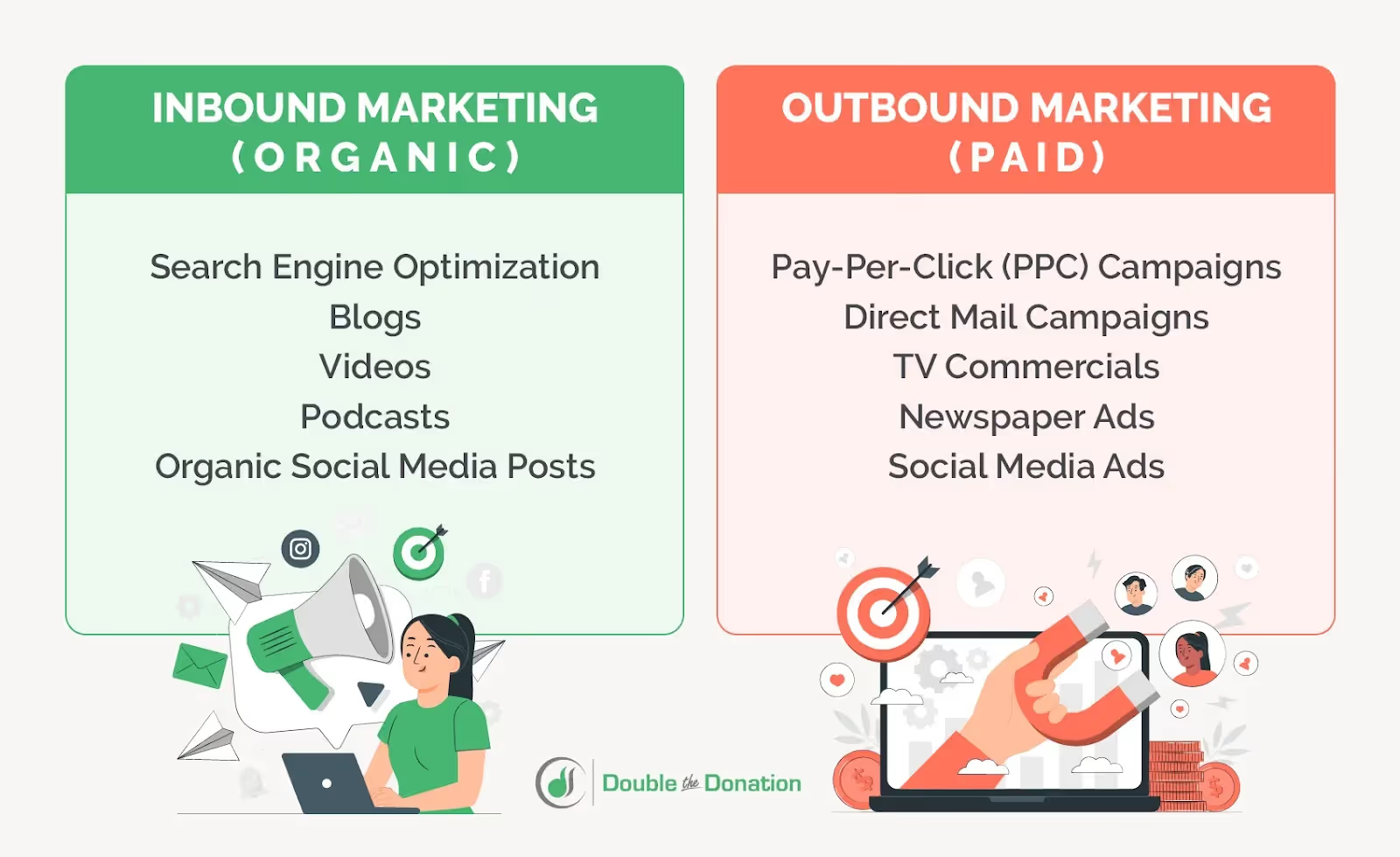
Remember, communication is a two-way street. You won’t just want to send messages to alumni, but to stay in touch with them over time. Ensure that alumni and any volunteer fundraisers feel free to voice their feedback or concerns.

Effective communication is about more than just an open line of communication—it’s about powerful storytelling, too. Stories encourage alumni to form stronger connections with your university’s mission, students, and impact.
As part of your marketing approach, implement the following storytelling strategies into your content:
Storytelling and powerful imagery compel users to share content with their networks, so it’s crucial that you make your storytelling components shareable. For example, you might place a “Share” button next to the content on your alumni website that makes it easy for viewers to repost an article or video to their social media channels.
In all your digital marketing materials, make it easy for viewers to take action by directing them to your donation page. Make the most of clear calls to action, prominent buttons, and QR codes across all the channels you use. To ensure shareability, use an effective social campaigning platform and the right social media platforms.
Additionally, when alumni land on your fundraising page, they should be able to take action easily. Check to ensure your donation form can be quickly completed and doesn’t require any unnecessary steps. With a compelling marketing strategy and simple form, your university can seamlessly convert alumni into dedicated supporters.
Now that you know the best marketing practices, share this information with your fundraising team, and plan your best campaign yet! Then, as donations start to roll in, be sure to show your appreciation for donors’ support and continue to engage them by offering additional involvement opportunities. The more active your donors are in your university’s activities, the more likely they’ll be to continue their support.

Adam Weinger is the President of Double the Donation, the leading provider of tools to nonprofits to help them raise more money from corporate matching gift and volunteer grant programs.
Double the Donation's robust solution, 360MatchPro, provides nonprofits with automated tools to identify match-eligible donors, drive matches to completion, and gain actionable insights. 360MatchPro integrates directly into donation forms, CRMs, social fundraising software, and other nonprofit technology solutions to capture employment information and follow up appropriately with donors about matching gifts.

4 Marketing Strategies University Fundraisers Need to Know
Lorem ipsum dolor sit amet, consectetur adipiscing elit. Suspendisse varius enim in eros elementum tristique. Duis cursus, mi quis viverra ornare, eros dolor interdum nulla, ut commodo diam libero vitae erat. Aenean faucibus nibh et justo cursus id rutrum lorem imperdiet. Nunc ut sem vitae risus tristique posuere.
%201.svg)
%201.svg)
%204.svg)




.svg)