Practical resources to help alumni relations, fundraising, and advancement teams work smarter.

Hospital foundation leaders are always searching for the most effective ways to improve healthcare fundraising results with limited staff, tighter oversight, and increasing pressure to demonstrate impact. Instead of reinventing the wheel, let’s borrow a few pages from the operational playbooks of the highest performing hospital foundations in the field.
The Association for Healthcare Philanthropy (AHP) defines a high-performing hospital foundation as being in the top 25% for net fundraising returns (revenue minus expenses) compared to peers in their specific category (such health systems, community hospitals, or academic medical centers), and which consistently deliver stronger net revenue, higher return on investment, and closer alignment with health system priorities. Notably, many of these leaders generate returns of $8 or more for every $1 invested.
Below are five proven hospital fundraising strategies used by these AHP leaders to structure their work, allocate resources, and manage relationships for consistent, long-term results.
High-performing hospital foundations work with executive leaders to embed philanthropy directly into the health system’s multi-year operating and capital plans, ultimately treating philanthropy goals with the same weight as clinical growth or operational objectives.
To sustain this strategic growth, high-performing hospital foundations use standardized metrics to advocate for resources and prove their value to the C-suite. The AHP Report on Giving provides annual healthcare fundraising data that allows hospital foundations to compare their performance against peer institutions on metrics like Cost to Raise a Dollar, Return on Investment, and Net Fundraising Revenue per FTE.
Beyond data, high performers focus on shifting fundraising for hospitals from a transactional activity into an ongoing, relationship-based, and transformational process. This “advisor-led” approach requires development professionals to act as trusted advisors who prioritize the donor's "True North"—their passions, values, and desired lasting impact—over organizational deadlines or immediate monetary concerns.
The most natural source for these major gifts is often within the hospital's own walls. Grateful patients account for approximately 88% of hospital donations and are the only donor group that consistently increases their giving over time, making them a cornerstone of effective fundraising for hospital foundations. High performers coordinate these programs through a partnership between development officers and physician champions.
While major gifts are vital, foundations must also feed the pipeline with structured mid-level programs. "Missing Middle" donors who give between $1,000 and $10,000 account for 30% of individual giving revenue. High-performing hospital foundations recognize that these loyal supporters are the future of the major gift pipeline for healthcare fundraising.
Designed specifically for hospital foundations that use Blackbaud Raiser’s Edge NXT® or Blackbaud CRM™, Almabase provides a HIPAA-compliant platform to manage events, engage grateful communities, and automate marketing—all while keeping your "source of truth" perfectly in sync.
Effortless Event Execution & Marketing Automation
Almabase’s event management tools are built to capture engagement signals, reduce post-event cleanup, and move qualified donors into the pipeline faster.
HIPAA-Compliant Data Integrity
Almabase supports HIPAA-aligned engagement workflows purpose-built for healthcare fundraising teams and integrates directly with Blackbaud systems.
A Secure "Grateful Community"
Almabase enables foundations to support grateful patient engagement without exposing teams to compliance risk or fragmented workflows.
Ready to see how your foundation can work smarter? Book a demo with the Almabase team today.

5 Proven Fundraising Strategies of High-Performing Hospital Foundations
Here are a few pages from the operational playbooks of the highest performing hospital foundations in the field when it comes to fundraising strategies.
Healthcare
Choosing the right alumni management software is a crucial decision for any advancement team. Even with changing alumni expectations, data across too many systems, teams are expected to drive engagement, events, and giving, all without adding more tools. This article is for teams that want clarity on what to look for, what actually matters, and how to avoid buying a platform that looks good in a demo but underperforms in practice.
In the sections that follow, we break down what modern alumni platforms are designed to do, how today’s alumni engagement software and alumni management systems differ from generic CRMs, and which capabilities directly support long-term relationships.
An alumni management software is a centralized platform that helps institutions manage alumni data, communication, events, and giving in one place. It is built specifically for alumni teams. Most platforms in this category combine directories, messaging, events, online giving, and reporting so teams can run engagement programs without stitching together multiple systems.
The key difference is in how the software is used day to day. Alumni can update their profiles, register for events, join groups, or donate through a single experience, while teams can see how individuals interact across those activities over time. This makes it easier to understand who is engaged, who is drifting away, and where to focus outreach, which is why many institutions rely on alumni management software for ongoing alumni relationship management, rather than treating engagement and giving as separate efforts.
At the buying stage, the value of alumni management software is not about having more features. It is about whether those features reduce friction for your team and create consistent engagement for alumni. Most institutions already have email tools, event tools, donation pages, and spreadsheets. The real question is whether bringing these together in a single system actually improves outcomes for advancement.
At the buying stage, the value of alumni management software comes less from feature breadth and more about whether those features measurably improve engagement and giving. That matters because industry benchmarks show just how limited alumni participation typically is. Reports show that only 19-20% of alumni engage with their institution in any form, including communications, events, volunteering, or giving.
Keeping this in mind, the real benefit of an alumni platform is its ability to help teams identify areas that need support, focus effort where it counts, and reduce friction across engagement workflows.
Here’s a closer look at the core capabilities buyers expect from modern platforms and why they matter when you are comparing vendors side by side.
For most advancement teams, the alumni database is where trust is won or lost. Alumni management software replaces scattered spreadsheets and partial records with a single directory that alumni can interact with directly. Self-service profile updates, searchable records, and enrichment through integrations mean teams spend less time chasing correct information.
The practical benefit here is the ability to segment audiences confidently and act on that segmentation without second-guessing whether the list is accurate. Teams evaluating platforms should pay close attention to how easy it is to maintain data quality over time, not just how records look on day one. With engagement concentrated among a small subset of alumni, the role of alumni software is to help teams identify, deepen, and sustain those relationships without spreading effort too thin.
Most platforms promise multi-channel communication. What buyers quickly discover is that ease of use matters more than channel count. Alumni management software typically includes email campaigns, newsletters, automation workflows, and templates that are built for small teams managing ongoing outreach.
There is also a clear link between digital engagement and giving. A 2024 alumni trends survey found that 93% of alumni who donate are active on their institution’s alumni portal, highlighting how ongoing digital interaction supports philanthropic behavior.
The real value shows up in consistency. When communication tools are integrated with alumni data and activity, teams can move away from one-off blasts and toward regular, targeted messaging that reflects alumni interests and past engagement. This is often where generic CRMs fall short, requiring heavy configuration to achieve the same result.
The advancement outcome here is simple but critical: teams can confidently target alumni by location, interests, or past involvement, reducing wasted outreach and increasing relevance in both engagement and fundraising campaigns.
One of the clearest differentiators between alumni platforms and traditional advancement tools is the presence of community features. Groups, chapters, discussion spaces, and peer-to-peer interaction give alumni a reason to return even when there is no event or appeal running.
From a buyer’s perspective, this matters because engagement that happens between campaigns is easier to sustain. Institutions that rely only on email and events often see activity spike and drop. Community features help smooth that curve by keeping alumni connected to each other, not just to the institution.
Events are a major driver of alumni interaction, but they are often managed in isolation. Alumni management software brings event pages, registration, payments, check-in, and follow-ups into the same system as alumni records. Access to event management that feeds engagement data back into strategy is the real game-changer.
The benefit here is smoother logistics and visibility. Attendance, repeat participation, and post-event behavior become part of the engagement picture, making it easier to understand which events justify continued investment and which do not.
Most alumni platforms include online giving features such as campaign pages, giving days, recurring donations, and payment integrations. What buyers should look for is how tightly these tools connect to engagement history. Online giving tools are most effective when they are part of a broader engagement picture. Alumni management software links donations to communication history, event attendance, and other forms of involvement.
When giving activity is viewed alongside event participation, volunteering, or mentoring, teams gain a clearer sense of donor journeys. This reduces reliance on guesswork and makes it easier to time appeals based on demonstrated involvement rather than assumptions.
Career support and mentoring are often underestimated during evaluation because they do not immediately drive revenue. In practice, they are powerful engagement drivers, especially for younger alumni. This benefit is indirect but strategically important: perceived alumni value. For early-career alumni, relevance matters more than solicitation. Nearly half of alumni value career and networking opportunities as a primary reason to stay connected, which explains why institutions investing here often see steadier engagement over time.
Platforms that support job boards, mentoring programs, and alumni-student matching help institutions demonstrate value beyond fundraising. For many buyers, these features act as a long-term investment, strengthening relationships early and supporting future giving rather than forcing it.
No alumni platform exists in isolation. Integrations determine whether alumni data informs advancement strategy or sits in a parallel system. Advancement CRMs, student information systems, and finance tools still play a role. Strong alumni management software integrates cleanly with systems like Salesforce or Blackbaud to reduce duplication and manual reconciliation.
For buyers, this is often a deciding factor. Poor integrations create shadow processes and erode confidence in reporting. Good integrations make the alumni platform feel like part of the institutional ecosystem rather than another tool to manage.
Most platforms offer dashboards for email performance, event attendance, and giving. The difference lies in how actionable that data is. Buyers should look for reporting that helps answer real questions: who is engaged, who is slipping away, and where effort is paying off. Your dashboards should give you insights to support decisions.
Dashboards and engagement scoring support smarter allocation of effort, helping teams focus outreach where it is most likely to convert and clearly explain impact to leadership.
For advancement teams, security and compliance rarely influence engagement strategy until something goes wrong. Alumni management software handles personal data, communication preferences, and often payment information, which means gaps in permissions or consent tracking quickly turn into operational and reputational risks.
Platforms that support GDPR and CCPA requirements, granular permission controls, and clear opt-in and opt-out management make it easier for teams to engage alumni without second-guessing whether outreach is compliant. The practical outcome is reduced exposure for the institution and fewer internal blockers around campaigns, events, and giving. When compliance is built into day-to-day workflows, teams can move faster and engage more confidently at scale. As alumni become more conscious of data usage, transparency here increasingly influences willingness to participate, not just legal standing for advancement teams and institutions.
Once you shortlist a few platforms, the challenge is figuring out which system will actually work for your institution, your team size, and your advancement goals. Many platforms look similar on the surface. The differences show up after implementation.
Let us look at how advancement teams can evaluate alumni engagement software in practice:
Before comparing features or pricing, teams need internal alignment on what success looks like. Common goals include increasing participation, improving alumni data quality, expanding mentoring programs, or growing giving over time. The mistake many institutions make is trying to optimize for all of these at once.
At this stage, buyers should be honest about priorities. A platform that excels at community building may not be the best fit if your primary need is fundraising integration and event management. Clear goals help narrow options quickly and prevent overbuying. This is especially important if you are considering a product that is within an ecosystem of related modules.
When reviewing platforms, it is important to look beyond how vendors present their tools or how many features a platform has. Use a checklist to align with your team’s strategies and needs to best decide which software is your perfect match.
Tip: intentionally frame your checklist and evaluation criteria around operational impact to avoid getting caught in the details of feature depth.
Demos often highlight best-case workflows. Buyers should use this time to surface constraints and trade-offs. A few questions consistently separate strong platforms from polished presentations:
💡 Pay attention to the features that vendors emphasize but also keep an ear out for how they explain limitations. This transparency (or lack thereof) is often more revealing than feature lists.
Beyond features and demos, long-term fit often comes down to factors that are harder to spot early but expensive to fix later. Buyers who skip this layer tend to revisit the decision within a few years.
Even strong platforms struggle if onboarding is rushed or under-resourced. Institutions should look closely at how vendors handle data migration, training, and rollout. Think about the trade-offs: a shorter implementation timeline is not always better if it sacrifices adoption. Ask what successful launches typically look like and what internal effort is expected from your team.
Alumni management software is often priced based on alumni count, feature tiers, or modules. Buyers should confirm what is included upfront and what requires add-ons later. Costs tied to integrations, advanced reporting, or support can change the total investment significantly over time.
Some platforms evolve rapidly, while others remain static after core features are built. Ask yourself how product decisions are made and how often and to what extent customer feedback shapes the roadmap. This is especially important for institutions planning multi-year engagement strategies over short-term fixes.
Post-launch support matters more than pre-sales responsiveness. Clarify what support channels are available, response times, and whether customer success is proactive or reactive. This is especially relevant to advancement teams with limited technical capacity.
Almabase supports alumni engagement by helping advancement teams connect participation, communication, and giving in one place. For institutions evaluating alumni management software, this matters because engagement only becomes useful when teams can see which alumni are active, how they are engaging, and where to focus next.
The platform brings alumni profiles, communications, events, mentoring, and online giving into a single system. Engagement across these activities is tied back to individual alumni records, giving teams a clearer picture of involvement over time.
Where teams tend to see value is in how easily engagement data can be centralized without increasing operational overhead. Check out the top alumni management software for a broader comparison of tools and positioning.
Almabase also supports engagement across the alumni lifecycle. Institutions can onboard recent graduates, run mentoring and career programs, manage regional or virtual events, and maintain ongoing communication from the same platform. This approach helps alumni experience engagement as a continuous relationship rather than a series of disconnected touchpoints. Read more for a closer look at how institutions design these engagement journeys.
At Almabase, fundraising is embedded within the broader engagement experience. Online giving tools connect directly to communication and participation history, giving advancement teams better context when planning appeals and follow-ups. This alignment between engagement and giving is reflected in Almabase being recognized as the #1 donor management software by G2 Crowd, based on verified user reviews.
Overall, Almabase supports alumni engagement by giving institutions clearer visibility into participation, stronger coordination between alumni relations and advancement teams, and a more direct link between engagement activity and advancement outcomes.
Choosing alumni management software is less about finding a platform with the most features and more about finding one that fits how your institution actually works. At this stage, the most useful next step is to map your current engagement goals to your operational reality. That means understanding where alumni data lives today, how engagement is tracked, and which outcomes matter most to advancement leadership.
As you evaluate options, focus on how clearly each platform connects engagement activity to participation and giving, how easily teams can work together, and how much effort is required to maintain clean, usable data over time.
For institutions looking to centralise alumni engagement while keeping advancement outcomes in focus, Almabase offers a platform built around visibility, coordination, and scale. Exploring how it supports real engagement workflows can help determine whether it aligns with your needs.
At its best, alumni management software gives institutions clarity. Clarity on who is engaged, how relationships are evolving, and where to focus effort next. That clarity is what turns engagement into long-term impact.
Want to see for yourself how Almabase helps with alumni engagement and management? Book a personalized demo with us and we’d love to chat!
.webp)
Choosing the right alumni management software (2026 guide)
The right alumni management software can make or break your alumni engagement strategy. All you need to know about choosing the right product for your team in this blog.
Alumni Engagement
Hospital foundations pour immense resources into signature galas, golf tournaments, and auctions, but without concrete data, how do you measure actual success?
These 2026 hospital fundraising event benchmarks show hospital foundation teams how to assess event performance, improve donor experience, and convert fundraising event attendees into long-term supporters.
To help healthcare teams bridge this gap, Almabase’s event management platform for healthcare foundations uses TrueSync integration to sync clean, real-time data directly into Raiser’s Edge NXT, enabling you to evaluate your hospital fundraising event metrics with significantly less manual effort.
The Benchmark: 75% of in-person fundraising events and 76% of hybrid fundraising events met or exceeded budget goals.
Why this matters: Face-to-face connection remains a reliable baseline for high-stakes fundraising, providing the space for grateful patient storytelling and high-touch donor cultivation.
How to use it:
The Benchmark: 77% of virtual-only events met or exceeded goals—a massive jump from 59% the previous year.
Why this matters: There’s a common misconception that virtual events were a "pandemic-only" trend, but the data tells a different story.
How to use it:
The Benchmark: 83% of nonprofits said their in-person auction events meet or exceed their fundraising goals.
Why this matters: Auctions are the highest-rated revenue drivers, signaling strong sector-wide confidence in their donor appeal.
How to use it:
The Benchmark: The average net worth of golf tournament attendees is $768,000.
Why this matters: Golf tournaments attract high-value corporate sponsors and offer predictable revenue potential and strong donor engagement.
How to use it:
The Benchmark: 39% of nonprofits plan on investing in more modern technology and automation in 2026.
Why this matters: Event technology platforms like Almabase’s reduce friction during high-emotion donor moments. Any technical barrier at check-in or bidding can break momentum and cost real revenue.
How to use it:
The Benchmark: 41% of Gen X donors attend in-person fundraising events.
Why this matters: Gen X is entering their highest-earning years. Ignoring this segment weakens your future donor pipeline.
How to use it:
The Benchmark: 50% of Baby Boomer donors don’t like attending fundraising events.
Why this matters: Boomers are major donors, but half actively dislike large events. Relying on broad invitations can weaken donor trust.
How to use it:
The Benchmark: Mid-level “Engagement Seeker” donors have a strong appetite for in-person involvement.
Why this matters: These donors are the most likely to respond to deeper cultivation and upgraded giving.
How to use it:
The Benchmark: 67% of donors who were asked to give again after attending a recognition event did so, and they attributed their willingness partly to the event.
Why this matters: Recognition events are not just stewardship; they are strategic revenue drivers that reinforce trust.
How to use it:
The Benchmark: Only 23% of first-time donors return for a second gift.
Why this matters: Event attendees often give impulsively and drift away without a structured touchpoint.
How to use it:
The Benchmark: Healthcare nonprofits retain just 14% of new donors—the lowest in the nonprofit sector.
Why this matters: Low retention erodes event ROI. When 7 out of 10 new attendees don’t turn into repeat donors, your hospital foundation is forced into a permanent, expensive cycle of donor acquisition rather than building on previous successes.
How to use it:
Evaluating your hospital fundraising event benchmarks is only possible with a clean data stream. Almabase simplifies performance management by:
Ready to turn your hospital foundation’s fundraising event data into a strategic advantage for 2026? [Request a Demo]
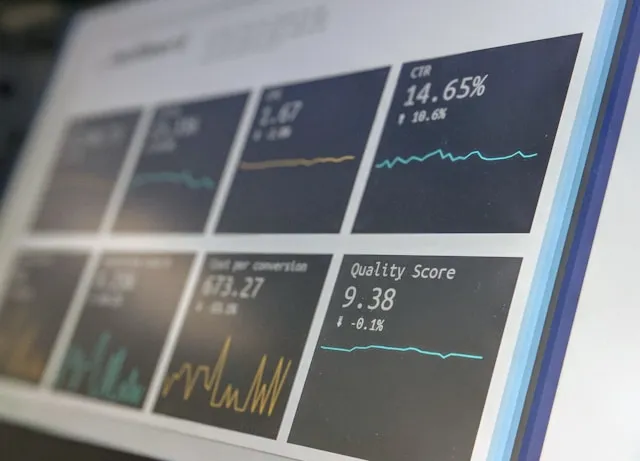
11 Hospital Fundraising Event Benchmarks to Track in 2026
We're bringing you some vital hospital fundraising event benchmarks for hospital foundation teams to assess event performance, improve donor experience, etc.
Healthcare
Hospital foundations raised an average of $7.7 million in net fundraising revenue in 2024. Galas and other fundraising events played a pivotal role, with some hospital foundations raising millions at just one gala alone.
Sponsorships are the key to any event’s success, providing up to half of a gala’s operational expenses. But securing these partnerships requires more than sending mass emails and generic proposals to businesses in your region. You need an intentional strategy, thoughtful outreach, and a clear understanding of why businesses sponsor events in the first place.
This post breaks down the most effective ways to attract high-value gala sponsorships, and how Almabase’s event and data automation tools streamline sponsor management and eliminate manual work.
Start with companies whose business goals align with your audience. Prioritize those that sponsor other community events, such as parades, golf tournaments, galas, health fairs, summer concerts, and walks or races.
Tap board members, physicians, executives, and volunteers for warm leads. Warm intros convert much better than cold asks.
Companies more likely to say yes include:
Also, reach out to businesses that have supported your foundation in the past, and ask them to increase their support.
Identify the right leaders in marketing, brand, or business development and ask board members or executives for warm introductions whenever possible.
Reference their recent community involvement or past sponsorships to show how their values align with your mission, and provide a brief overview of your foundation and event audience.
Close with a simple next step: a short conversation to review sponsorship levels for gala participation and the options that best match their goals. Have a hospital executive co-sign the email to elevate your outreach.
Hi {{First Name}},
I am writing on behalf of [Foundation Name], which raises money to support the life-saving mission of [Hospital Name]. We have so much respect for [Name of Company]’s longtime support of local community initiatives, including your recent sponsorship of [INSERT INFO HERE].
Your values align perfectly with our mission to provide compassionate healthcare to families throughout our region. That’s why I’m reaching out to ask if you’d join us as a corporate sponsor for our [NAME & DATE OF EVENT].
This popular fundraising event attracts [NUMBER] residents and business leaders to support innovative healthcare in our community. Our goal is to raise [DOLLAR AMOUNT] to fund [PROJECT].
Your sponsorship would provide high-visibility and recognition before and during the event, including potential mention in local media advertisements during [NUMBER] weeks/months of promotion.
Can we schedule a brief 15-minute call to discuss the possibilities?
Thank you for considering this opportunity to make a difference in our community.
Sincerely,
NAME
ORGANIZATION
Share concrete business benefits, such as logo placement, signage, digital exposure, program ads, and opportunities to engage directly with attendees. Provide brief details that help companies justify the spend and understand your sponsorship levels for gala packages:
This elevates your CTA beyond ‘support our mission’ toward the tangible marketing value they’ll receive as gala sponsors, which is essential in any corporate event sponsorship decision.
Thank each sponsor during the event, in follow-up donor communications, on your website, and across your social media channels.
Send a personalized thank-you note within a few days after the event. Reference their specific contribution and show their impact with a short story, quote, or examples of the specific programs or people they supported.
Send a report within a week that includes total attendance, audience demographics, and every place their logo appeared, along with photos of signage and digital placements.
Add key performance numbers, such as social reach, email impressions, website traffic, on-site engagement highlights, and any notable feedback. If recognition moments or fundraising results were part of the event, summarize them.
Almabase brings all your healthcare fundraising events into one connected platform that syncs directly with Raiser’s Edge NXT, reducing manual work and keeping every team aligned.
Centralize event metrics, attendee engagement, and sponsor activity so fundraising, marketing, and gift officers can collaborate more efficiently and act on complete data.
Use branded event pages, automated reminders, and targeted email workflows to promote events without juggling multiple tools or teams.
Sync attendance, engagement, giving data, and activity into Raiser’s Edge NXT. Provide complete, accurate ROI without manual entry.
Set reminders, deliverable deadlines, staff updates, thank-you messages, and post-event recaps automatically. Consistent communication creates a polished sponsor experience.
5 Ways Hospital Foundations Can Attract More Gala Sponsorships
Sponsorships are vital to bringing any hospital event into reality. Learn how you can attract more of the right sponsors for your hospital gala events.
Healthcare
Strong donor retention strategies are becoming essential as institutions prepare for another year of unpredictable fundraising behavior. Leaders across the sector are noticing sharper swings in donor loyalty and gift frequency, and many are rethinking how they engage supporters in a landscape shaped by rapid shifts in expectations.
At the same time, organizations are experimenting with donor acquisition strategies that reflect how people now discover, evaluate, and choose the causes they want to support. New donor audiences bring different motivations, attention patterns, and communication preferences, and advancement teams are realizing that older playbooks are no longer enough to sustain growth.
This article walks you through the changes shaping 2026 and what teams can do to build acquisition and retention plans that work.
Recent findings show that nearly seventy percent of nonprofits identify donor acquisition and retention as their top challenges - pressures that are increasingly mirrored across educational institutions, alumni networks, and member-based organizations.
While donations are dropping, there's also a growing disconnect between what donors want and what institutions are delivering. Today's donors want quick responses, clear communication, and seamless experiences, just like they get from Amazon or their banking app. Many institutions are struggling to keep pace with these expectations.
Generational shifts are adding to this pressure. Younger donors respond to immediacy and values alignment, while older donors still carry much of the giving power but prefer steady, relationship-focused outreach. These realities make it harder to build a consistent experience for supporters.
Education institutions feel the weight of these changes in very specific ways. Many are navigating declining alumni participation, shifting enrollment patterns, and tighter advancement teams that must do more with less. In this environment, acquisition and retention depend on teams having a clear understanding of which donors support them, why they give, and how those motivations evolve across different moments.
The takeaway is simple: strategies that carried institutions through the last decade will not be enough in 2026. Advancement and development teams need smarter segmentation, stronger personalization, more thoughtful automation, and integrated data workflows that remove unnecessary administrative work.
Many organizations are seeing a sharp increase in episodic donors. These are supporters who give during election cycles, crisis moments, or highly publicized events. Their motivations often revolve around urgency rather than a long-term relationship with the institution.
The challenge is that once the moment passes, the emotional trigger disappears. Episodic donors rarely self-identify as long-term supporters, which leads to a steep drop-off in future engagement.
In 2026, this segment will require:
• mission-centered storytelling
• consistent stewardship beyond the initial gift
• automated follow-ups that keep the donor connected to impact.
These steps help move episodic donors from reactive giving to more intentional, recurring support.
Giving motivations can vary significantly across generations. While Boomers prioritize loyalty and tangible legacy, Gen X donors appreciate clarity and practical outcomes. On the other hand, Millennials look for values alignment and evidence of change. Gen Z leans toward authenticity, peer influence, and causes with clear moral grounding.
Communication preferences also differ:
• Boomers respond well to phone calls, mailed updates, and personal touchpoints.
• Gen X tends to read emails and appreciates concise follow-ups.
• Millennials engage through social storytelling and mission-driven content.
• Gen Z prefers short-form video, mobile-first communication, and quick transparency.
To reach each group effectively, teams need adaptable acquisition and retention plans. A single message cannot serve a multigenerational donor base. Personalized content and varied channel strategies will be essential.
Supporters in 2026 will not wait for delayed thank-you notes or quarterly updates. Donors are now accustomed to the immediacy of digital experiences, from online retail to financial apps.
A timely, personalized acknowledgment is no longer a nice-to-have. It is an expectation.
Organizations that want to maintain loyalty must invest in:
• automated yet personal thank-you messages,
• real-time impact updates,
• ongoing stewardship that does not disappear between campaigns.
Strong donor journeys help supporters understand how their contribution matters and build a sense of partnership throughout the year.
The sector is moving toward wider adoption of data-driven tools. Predictive scoring, segment-based automation, and donor pipeline visibility are now part of everyday planning for many institutions managing donor and alumni relationships. These tools allow teams to identify who is likely to give, who may lapse, and which donors need more personal attention.
Automation in this context is not a replacement for human connection. Instead, it removes repetitive tasks so staff can focus on meaningful interactions.
With stronger data intelligence, teams can personalize outreach, improve retention, and allocate limited resources more strategically.
A strong 2026 strategy starts with a clear look at how donors have behaved over the last five years. Patterns in first-time donor retention, gift frequency, and year-over-year participation can reveal where engagement is strong and where attention is slipping.
Many institutions are already noticing declines in donor counts even when revenue grows.
Pay attention to which channels bring in the most consistent supporters. Email may drive volume, while events or direct mail might produce higher-value relationships.
The goal here is to gather data and to read it and uncover the shifts that will shape your acquisition and retention plan for 2026.
Segmentation is one of the clearest levers for improving both acquisition and retention. Different groups give for different reasons, and treating them as one audience leads to missed opportunities.
At minimum, your segments should include:
Each group requires a different message, tone, and cadence. This type of segmentation helps institutions invest effort where it matters most and make each supporter feel understood.
In 2026, single-channel communication will not be enough. Donors interact with organizations through email, SMS, social media, direct mail, and event experiences. A multi-channel approach increases the number of meaningful touchpoints without overwhelming your audience.
Storytelling plays a central role here. Donors want to understand how their gift fits into the broader mission. They want updates that show real progress, not general statements. Maintaining relevance across channels helps reinforce the emotional connection.
Here are three donor journey examples you can build:
New donor journey
- Send an immediate thank-you that clearly acknowledges the donor and their reason for giving.
- Follow up within the first week with a short impact story that shows how their contribution is already making a difference.
- Make a thoughtful follow-up ask that reflects the donor’s initial interest or motivation.
Event attendee journey
- Thank attendees soon after the event while the experience is still fresh.
- Share photos, highlights, or a brief recap to help them relive the moment and feel connected to the community.
- Introduce a giving prompt tied directly to the themes or outcomes of the event.
- Continue with stewardship updates that show how contributions are supporting the mission.
Lapsed donor journey
- Reach out with a warm “we miss you” message that acknowledges the past relationship without pressure.
- Share a meaningful update that highlights recent impact and progress since their last gift.
- Invite them to re-engage through an event, campaign, or low-barrier opportunity to reconnect.
Consistency strengthens retention. Sporadic campaigns cannot build the same sense of coherence and connection as throughout-the-year communication. Give your cause a story that donors can connect with year-around.
Learn how event participation triggers donor journeys automatically using Almabase Events.
Stewardship remains one of the strongest predictors of donor retention. According to donor loyalty surveys, personalized thank-yous and clear impact updates significantly increase a donor’s likelihood of giving again.
Stewardship remains one of the strongest predictors of donor retention. Research shows that personalized thank-yous and clear impact updates significantly increase a donor's likelihood of giving again. Findings suggest that timely acknowledgements are directly tied to higher lifetime giving, emphasising that donors should receive prompt confirmation of their gifts (ideally within 48 hours) and appreciate knowing the concrete impact of their contributions.
Strong stewardship includes:
• personalized thank-yous within 48 hours
• regular impact reporting
• donor anniversaries
• birthday or milestone acknowledgments
The national donor retention average still hovers around 45 percent, based on industry-wide studies. Schools and mission-driven organizations that invest in consistent stewardship often achieve 55 to 60 percent retention or higher. These extra touches make donors feel seen and valued, which strengthens long-term loyalty.
Donors increasingly expect a smooth and intuitive giving process. This includes mobile-friendly donation pages, support for digital wallets, streamlined forms, and saved payment options.
Research from Blackbaud Institute shows that over 28 percent of online donations now come through mobile devices, highlighting how critical ease of use has become. Reference: Blackbaud Institute Index.
Additional friction reducers include:
• recurring giving prompts
• clear suggested amounts
• QR codes at events
• secure, fast checkout flows
Reducing friction in giving directly improves donor retention. It makes the act of giving feel effortless, which encourages supporters to return.
Technology should serve as an enabler of donor relationships. Clean data, reliable CRM integration, and unified systems help teams avoid errors and eliminate duplicate work. With proper infrastructure, organizations gain better visibility into donor behavior and can react to trends more quickly.
Automation also helps teams operate more efficiently. Many institutions today plan to expand their use of AI tools for donor engagement, reporting, and segmentation. This shift reflects a desire to scale personalized outreach without hiring significantly larger teams.
Predictive AI, too, is becoming an important tool for teams that want to make smarter decisions about where to invest their time. By analyzing patterns in donor behavior, such as giving history, demographics, event attendance, and past engagement, predictive models can highlight which supporters are most likely to give again and which new or lapsed donors are worth prioritizing.
Investing in data intelligence allows teams to identify warm leads, detect at-risk donors earlier, and plan stewardship cycles with more accuracy.
A strategy only works if teams monitor its performance. Setting monthly or quarterly KPIs ensures that priorities stay aligned and progress remains visible. Each KPI should connect directly to acquisition or retention outcomes.
Key metrics to track include:
• first-time donor retention
• overall donor retention
• year-over-year donor growth
• event attendee to donor conversion rate
• average gift size
• recurring donor growth
• cost per acquisition
• channel performance (email, events, social, direct mail)
These metrics matter because they reveal where teams should invest time, where communication might be falling short, and which donor groups are strengthening or weakening. Tracking KPIs consistently allows institutions to adjust their strategy before problems escalate.
Want to see Almabase in action? Request a demo.

Donor Acquisition and Retention Strategies for 2026
Donor acquisition and retention are two vital sides of the fundraising coin. Learn how you can ensure sustainable fundraising success for your team in 2026.
Fundraising

.svg)