Homecoming tends to center around higher-ed but there are plenty of interesting high school homecoming theme ideas your team can use to make your 2026 homecomings truly memorable!

Anwesha Kiran
Updated:
May 7, 2026

Summary
• Prioritize inclusivity and ease of participation when choosing a theme: The most successful homecomings ensure everyone feels welcome to join in, often by picking themes that do not require expensive costumes or complex preparations, directly boosting engagement and school spirit.
• Centralize all event information on one dedicated page: Having a single, go-to source for schedules, dress-up days, tickets, and updates significantly reduces confusion and saves your team from repeatedly answering the same questions, streamlining event management.
• Simplify your RSVP and ticketing process with one system: Ditch manual tracking for a unified platform that gives you real-time attendance numbers, making planning smoother and helping you avoid last-minute surprises for better event logistics.
• Consider themes that naturally foster community and alumni connection: Ideas like "Around the World" or a simple "School Colors Night" can unite current students and bring back alumni, reminding them of shared traditions and building a stronger community that supports long-term engagement.
• Plan for clear, consistent communication with all attendee groups: Remember to send targeted reminders and updates to students, parents, and alumni, ensuring everyone gets the information they need without being overwhelmed, which is vital for maximizing turnout.
• Think beyond just decor to the full event experience: A great theme guides everything from music and photo opportunities to small activities, creating a cohesive and memorable event that feels special and encourages attendees to share their experiences.
Homecoming is one of the most anticipated events of the school year for both students and alumni. Picking the perfect high school homecoming theme means balancing what attendees are excited about with what your school can realistically pull off on budget. The goal is simple: create an experience people will remember.
Planning your theme early makes that much easier. It gives you more time to organize everything smoothly and avoid last-minute surprises. To help you get started, we’ve put together 20+ high school homecoming themes ranging from classic and elegant to trendy, easy to pull off and unique.

Classic themes are a mainstay for homecoming week. They’re visually rich, they age well, and alumni can connect with them just as easily as current students, which makes them a smart pick if you want homecoming to feel like a true community event.
A night sky theme is one of the most enduring homecoming themes, and it's easy to see why. Dark blue drapes and shimmering lights can transform almost any gym or hall into something that feels magical without requiring a massive budget.
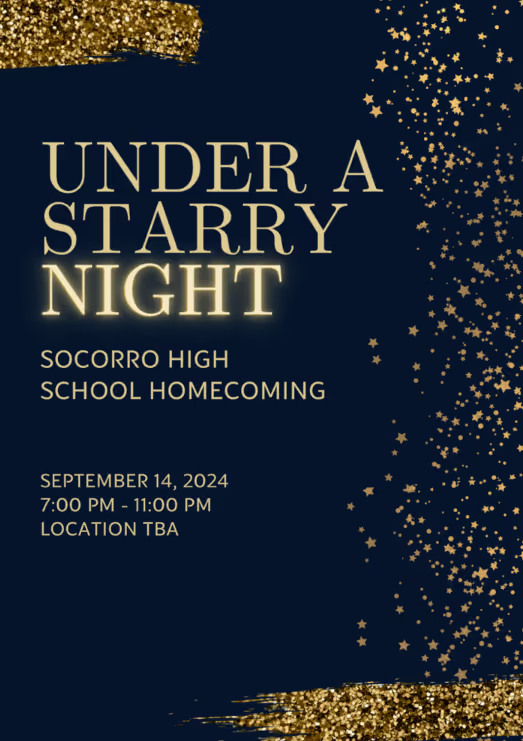
Both Lincoln High School in Nebraska and Socorro High School in Texas ran 'Starry Night' themed homecomings in 2024, leaning into deep blue and silver palettes, complete with photo booths. The theme works across different school sizes and budgets, which is a big part of why the theme is here to stay.
Why it stands out: It's romantic, timeless and photographs well, which makes it a win. Done well, it is a very shareable theme for social media, which boosts engagement with your events.
Decor ideas:
A Hollywood theme holds the potential to give every attendee their A-list moment. It’s high-energy, glamorous, and everyone knows what to wear and how to act when there's a red carpet involved.
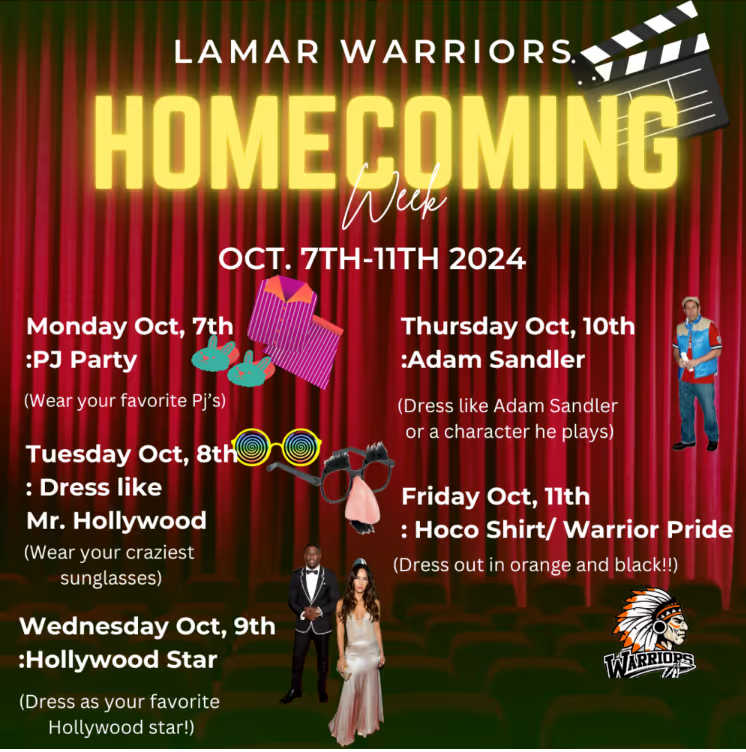
Lamar High School made Hollywood the centerpiece of their 2024 homecoming, building spirit week dress-up days around students channeling their favorite stars. The theme gave every student a chance to feel like a million dollars!
Why it stands out: It's flexible enough to work for spirit week (dress as your favorite celebrity one day, arrive at the dance like you're walking into the Oscars the next), which keeps things exciting and new even while being on-theme.
Decor ideas:
“Enchanted forest” is a theme that can transform a school gym into something that feels straight out of a storybook. Decorations can be as simple or elaborate as your budget allows, and the theme still comes across clearly. You could go for fairy tale elements, a more natural woodland look, or something in between, tailored to your school’s style.

Herndon High School in Virginia took this theme for their 2025 homecoming, incorporating nature-inspired floats in the parade and floral decor throughout the week, proving that the concept carries through spirit week activities as well as the dance itself!
Why it stands out: It feels immersive because of the fantasy element and also lends itself beautifully to photography.
Decor ideas:
A masquerade theme introduces an air of mystery to a regular homecoming week. Masks are an accessory to look forward to, and the Venetian inspiration lends to striking decor in almost any venue.

Fremont Christian School in California ran a masquerade-themed homecoming dance in 2024, leaning into the mystery and elegance of the format.
Why it stands out: It's inherently formal and visually unique. Even those who don't go all-out on their outfit can look the part with just the right mask. It also doubles well as a semi-formal or formal event.
Decor ideas:
Retro themes have been making a comeback, something reflecting on student culture right now as well. Driven by the wave of nostalgia running through fashion and social media, these ideas tap directly into that energy, making them some of the best themes to get excited about.
A decade-hopping retro theme is an energetic format for homecoming week. You can draw inspiration from the decades related to past generations of students, incorporating music, fashion, and popular trends from each era.
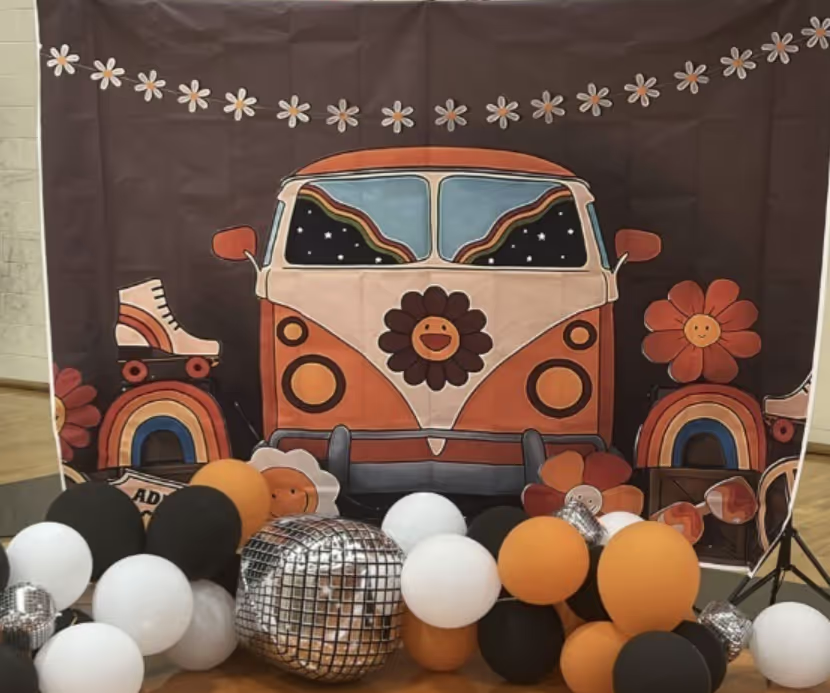
Artesia High School in New Mexico themed their entire 2024 homecoming week around "Groovin' into HoCo," running decade-dedicated dress-up days from the '60s through the '00s, complete with an enchilada supper, bonfire, parade, and assembly.
Why it stands out: It's extremely flexible. Every student can find a decade they connect with, whether it's flower-power '60s, disco '70s, or MTV '80s.. And because most of the "costume" is just clothing, there's almost no financial barrier or prior planning, increasing participation.
Decor ideas:
Leather jackets, sock hops, and drive-in vibes: the 1950s and 60s are full of ideas that can easily be incorporated into a homecoming theme. The looks are fun, accessible, and lend themselves naturally to a full week of themed activities.
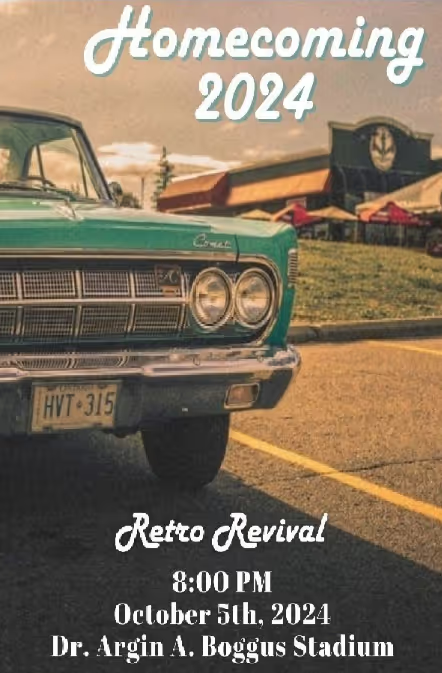
Tavares High School in Florida ran a 'Retro Revival' homecoming in 2024, planning their spirit week around decade-specific themes. The day-by-day format kept students engaged all week, with a retro aesthetic tying everything together.
Why it stands out: It tends to have high dress-up participation because the looks are fun and easy to create. The costume options are wide enough for everyone to find something they're comfortable wearing.
Decor ideas:
The early-2000s nostalgia wave isn't slowing down any time soon! From butterfly clips to shiny tech-inspired accessories, Y2K is having a full cultural moment and high school students are very much along for the ride. There's also a fun generational connection when teachers, parents and alumni join in, having lived through these moments themselves.
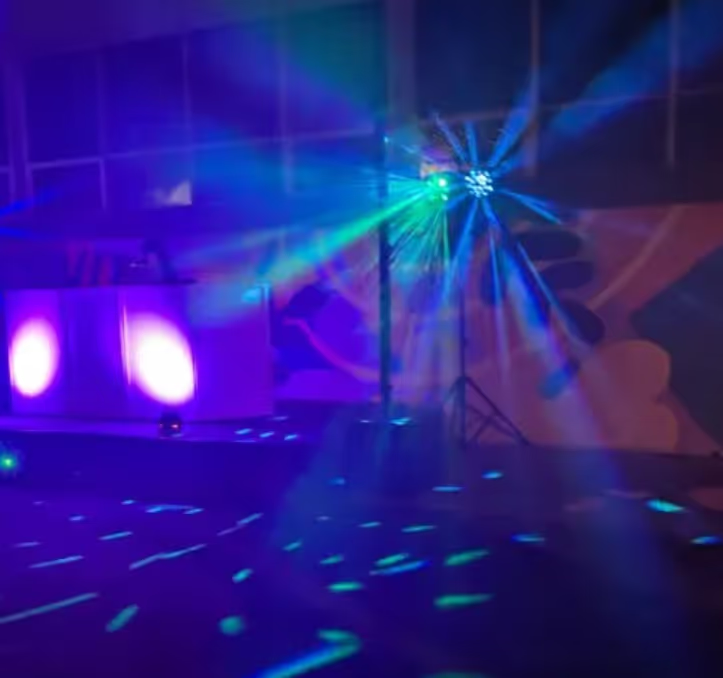
Sunset High School in Portland ran a Y2K homecoming in 2024.
Why it stands out: It reflects what's trending on social media and in fashion right now, which means attendees can simply pick items from their wardrobe and create their costumes.
Decor ideas:
A neon or glow theme turns any venue into a high-energy, visually electric experience. UV black lights do most of the heavy lifting, which makes this a surprisingly easy theme to execute well.
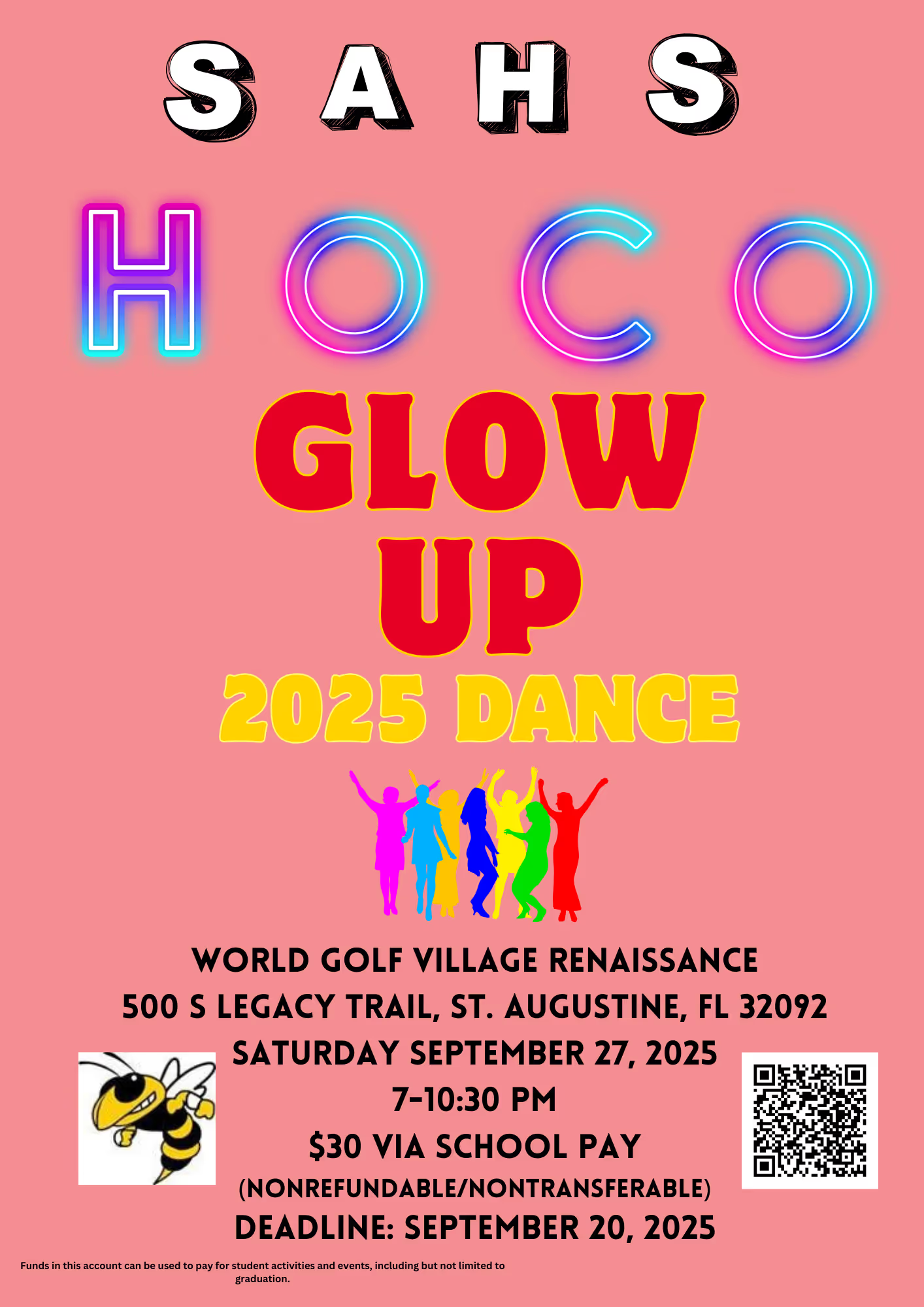
St. Augustine High School in Florida made their 2025 homecoming theme 'Neon Glow Up!', hosting the dance at a local hotel to add an upscale feel to the vibrant concept. Taking the theme off school grounds gave it an elevated atmosphere.
Why it stands out: Neon and glow accessories are easy to find, so attendees at every budget level can fully participate. The visual impact in photos is also huge, which drives social sharing and school spirit.
Decor ideas:
The best homecoming themes don't need to be expensive ones. These ideas require no elaborate venue transformations and those attending can put their look together from things they already own.
A western theme works because it builds the week around something attendees can dress for without spending a dime. Flannel, boots, denim, and cowboy hats are already in most wardrobes.
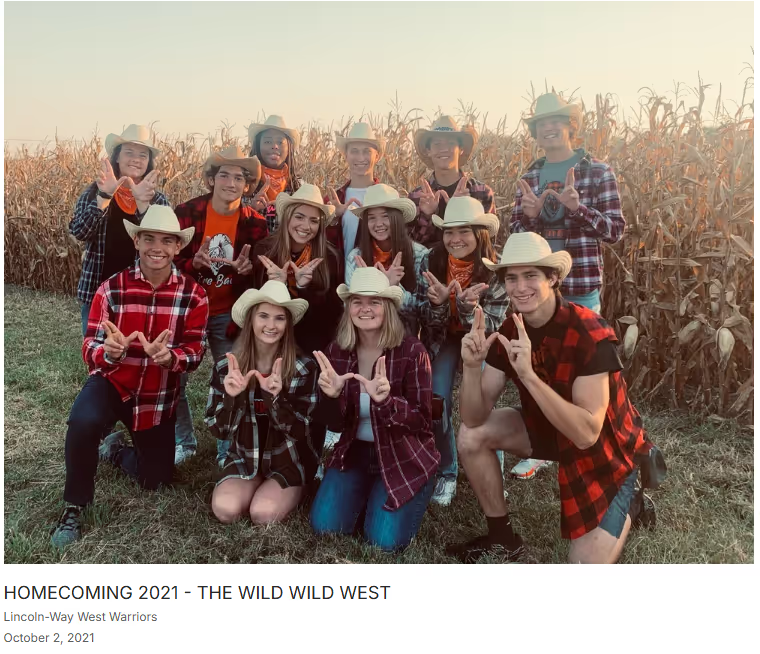
Lincoln-Way West High School in Illinois ran a "Wild Wild West" homecoming week, with flannel day, class color day, and a western-themed spirit day leading into a Friday night game. The dance itself was held off-campus at a local commons, with food trucks adding to the casual, community feel of the event.
Why it stands out: When those attending don't need to buy anything to create looks around the theme and participate, attendance goes up across the board.
Decor ideas:
A music festival theme is flexible enough to run all week across different genres: country, hip-hop, pop, throwback, while keeping a concept that ties everything together. It is essentially a theme with the spirit week inspiration built-in.
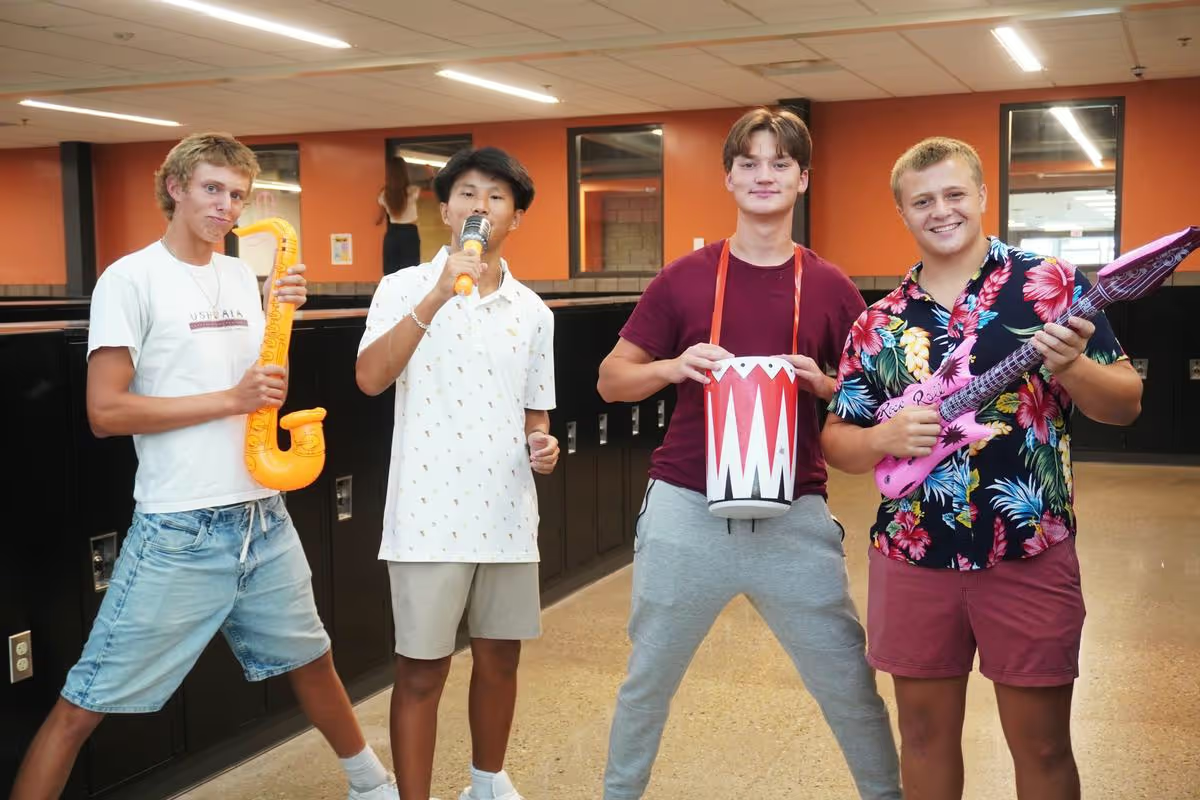
Thornapple Kellogg High School in Michigan made their 2024 homecoming theme 'TK Palooza', with each spirit day dedicated to a different music genre: Country Day, Hip Hop Day, Pop Music Day, and Throwback '60s Day. The school-wide rollout extended the theme across all grade levels, making it a community-wide event pulled off with a low budget.
Why it stands out: Every student has a musical genre they love, which means every student can find a day they're excited to dress for. It keeps the week feeling fresh, without needing expensive venue transformations.
Decor ideas:
The denim-and-diamonds concept is a smart budget theme because it pairs something everyone owns (denim) with glamorous accessories. It’s elevated but at the same time accessible.
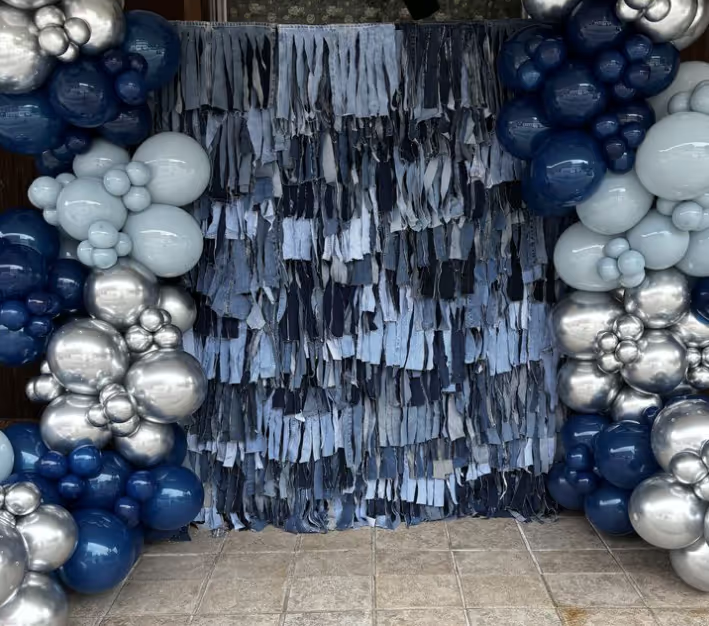
Why it stands out: Attendees can wear their own jeans and elevate the look with jewellery or sparkly accessories. There is no formal wear required, in fact, the contrast between casual and glam is the whole point.
Decor ideas:
This theme is the one to pick for schools that want an accessible, fun dress code that still photographs well and feels like a proper event. It's a great pick if your student body is mixed on how formal they want things to be.
Sometimes the simplest idea is the best one. A school colors night strips the theme back to its most essential element: pride in your own school.
Why it stands out: Participation is essentially guaranteed. Every student owns something in their school colors, which means no one is left out for financial reasons. It also doubles as a lead-in to the Friday night game, keeping energy high all week.
Decor ideas:
Homecoming already falls in autumn, so leaning into the season is an easy creative decision. A rustic fall theme ties the event to the season and delivers a warm, inviting atmosphere that works with almost any venue.
Why it stands out: The dress code is accessible: flannel shirts, boots, denim, and cozy layers are things folks already own. There’s no shopping required, which means higher participation across income levels. The aesthetic also scales naturally: it looks just as good in a school gym as it does in a rented hall, which keeps anticipation high.
Decor ideas:
Some schools want their homecoming dance to feel distinctly formal: a step up from the usual school social. These themes are designed to set that tone from the moment guests walk in the door.
A galaxy-inspired formal theme takes the classic 'stars' concept and gives it a more sophisticated, high-design treatment. The vision: a ballroom that looks like the inside of a planetarium.
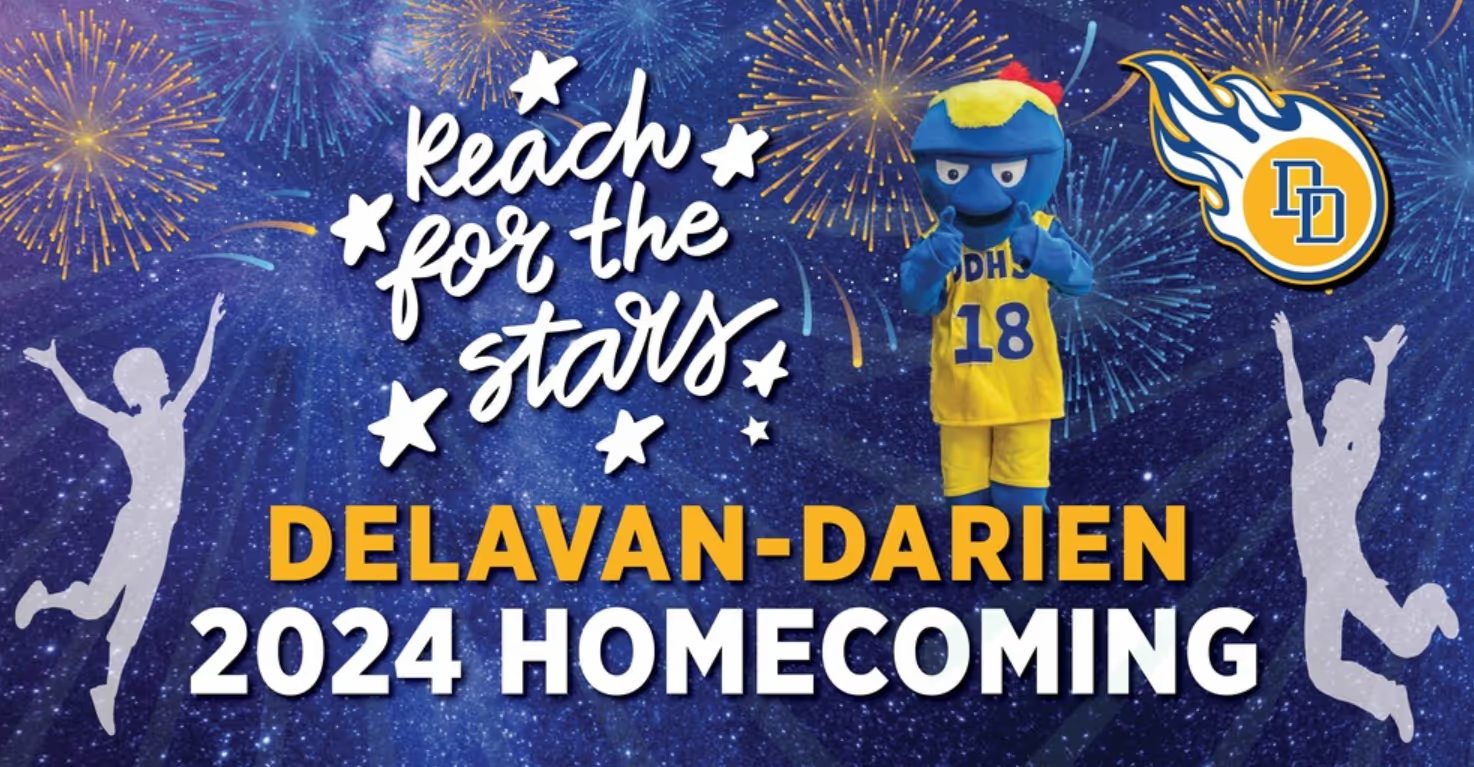
Delavan-Darien High School in Wisconsin chose 'Reach for the Stars' for their 2024 homecoming, turning their gym into a galaxy-inspired ballroom. The focus was on creating an atmosphere that felt special and formal and a genuine upgrade from the standard decorated gym.
Why it stands out: It clearly differentiates the formal dance from the casual spirit week activity days. Attendees immediately understand this is the 'elevated' event of the week. The visual effect, done well, is genuinely breathtaking.
Decor ideas:
A black and gold color scheme is one of the most reliably elegant choices for a formal school event. It's sophisticated, visually cohesive, and gives the room an immediately prestigious feel.

Trinity Academy in North Carolina runs an annual Black and Gold Gala that has become a school tradition, celebrated for the sense of occasion it creates and its role in bringing the community together. It isn't technically a homecoming event, but the combination of a strict dress code, a formal venue, and a consistent visual identity makes it work, and any school can apply that same idea to homecoming.
Why it stands out: The dress code requirement creates a visually unified room that looks stunning in photos. The formal nature raises the perceived status of the event, which motivates those attending to show up in elegant garb..
Decor ideas:
Only a few themes can make a school gym feel genuinely luxurious, and Champagne Dreams is one of them. Built around a palette of whites, creams, gold, and shimmer, the entire aesthetic signals "special occasion".
Why it stands out: It holds a lot of potential for a transformative set up. It's the kind of night guests talk about for years because it gives them an elevated experience within the school itself.
Decor ideas:
A sophisticated take on the celestial theme, Moonlight and Marble evokes a Grecian feel with cool whites, soft greys, gold accents, and a venue that feels like a high-end art gallery crossed with a ballroom.
Why it stands out: The theme is visually striking without being loud. The color palette white, ivory, grey, and gold, is elegant and photographs really well..
Decor ideas:
Where Moonlight and Marble is cool and architectural, Celestial Elegance is warmer, more whimsical. It mixes soft lighting, hanging stars, and glowing centerpieces to create grandeur that feels special but is easy to achieve with simple decorations.
Why it stands out: It treads the line between formal and magical. Attendees feel like they're attending something truly special and memorable. The palette also allows for a wide range of dress options, from classic black tie to rich jewel tones.
Decor ideas:
If your school is ready to move beyond the standard theme ideas, here are some out-of-the-box ideas that get people talking.
Basing your homecoming theme on a specific film or show is one of the most effective ways to generate real buzz from the moment it's announced. You get to harness the emotional connection that students already have to the source material. The best picks are ones that have a strong visual world with vivid color and a recognizable aesthetic.

RHCS, California chose Rio as their 2024 homecoming theme, building an entire spirit week around the film's world. Each day had its own twist drawn from the movie, like twin days inspired by characters Blu and Jewel, and surfers vs. tourists, or animal print day. The theme was planned months in advance specifically to deliver a "wow factor,".
Why it stands out: A specific, well-chosen idea gives the planning committee a complete creative brief from day one: the color palette, the soundtrack, the decor style, and the dress code all flow naturally from the source. Planners and attendees don't need to interpret a vague concept, they just need to channel their connection with the story.
Decor ideas:
An Around the World theme is a great way to give each class a unique experience within the same theme. Each class claims a different country or region, then competes through hallway decorations, float design, and dress-up days. This means the creative energy runs school-wide for the entire week.
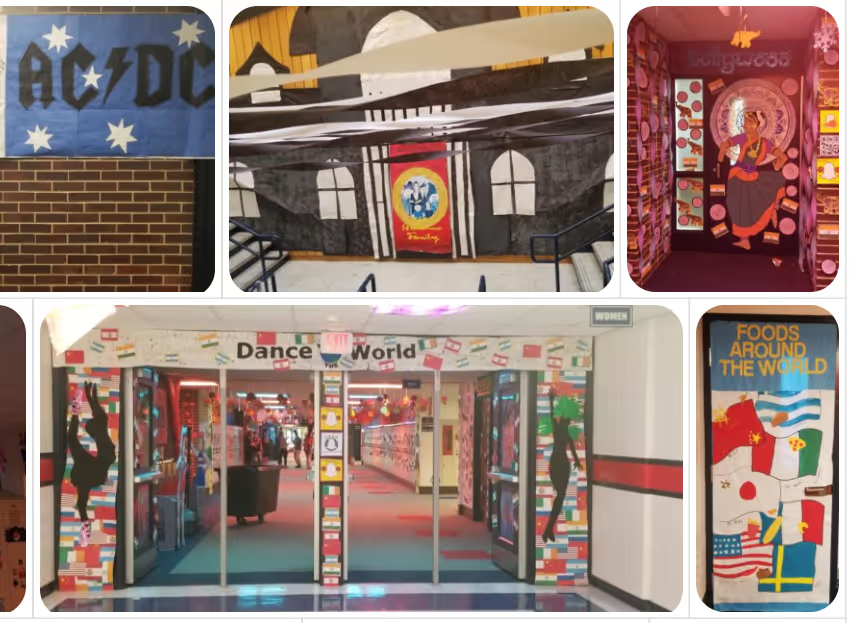
Conant High School in Illinois used "Around the World" as their homecoming theme and had student decorate different hallways, each representing a different global destination. The result was a school-wide installation that turned the building itself into an event.
Why it stands out: It naturally distributes participation and encourages creativity since each grade has to think differently about their assigned region. It's also one of the most inclusive homecoming themes available. Every cultural background has a place in it.
Decor ideas:
A Candyland theme is immediately fun and community-facing. It's vivid, playful, and translates beautifully to parade floats and family-friendly events. It's also a great way to involve younger students and the broader community beyond high school.

Westminster High School in Colorado went all-in on 'Candyland' for their 2024 homecoming parade, with bright color schemes and giant candy-themed float designs. The community event aspect worked particularly well; the theme is welcoming for all ages, which brings more families out to the parade and builds school spirit.
Why it stands out: It’s a fun theme that works well for homecoming parades and encourages community interaction with the floats. Giant candy-themed props and bright primary colors have a huge visual impact, increasing participation and excitement.
Decor ideas:
An enchanting theme with castles, magic, and the feeling that anything could happen, this is the perfect one to pick for an unforgettable night. It's immersive, visually rich, and gives attendees full permission to go all-out with their looks.
Why it stands out: It moves beyond the typical school dance atmosphere and creates a sense of occasion. Those who might not otherwise dress up find it easier to commit. The theme invites imagination and they can put their own spin on it..
Decor ideas:
This is a step up from the standard music festival concept: instead of a single-room dance, the school is divided into "zones," each with a different genre, playlist, and visual aesthetic. Students move between zones throughout the night, making homecoming feel more like a live experience than a standard dance.
Why it stands out: It keeps attendees moving and engaged all night rather than clustering in one corner. It also naturally accommodates different tastes: one who loves country music and one who lives for hip-hop, both have somewhere to feel at home.
Decor ideas:
Just choosing a good theme isn’t enough; it has to fit your school. Here’s how to choose one that works.
Trends shift quickly, so last year’s idea might already feel outdated. Ask your student council or run a quick poll. Participants are more likely to show up and take part if they have a say in the events.
Some themes are flexible, others need specific setups. A Celestial Elegance theme needs height and space for hanging decor. An Enchanted Forest needs room to build things out. A Neon Glow Party only works if you can control lighting. Take a walk through your venue and be honest about what you can pull off.
Pick something your team can actually execute. A Western Week or Music Festival is simple and easy to set up. A Masquerade Ball or Galaxy Ballroom takes more planning and resources. If you’re stretched thin, go simpler and do it well.
The theme should help guide everything else. Music, outfits, photo spots, even small activities should all connect. A groovy retro night, for example, makes it easy to choose mirror balls for decor, vintage looks for dress code, and backdrops and photo booths in bold, warm colors and patterns. When it all lines up, the event just feels more cohesive and better.
The more effort or money it takes to participate, the more people will sit it out. Choose a theme that’s easy to show up for. The goal is simple: everyone should feel like they can be part of it.
Once you’ve picked the theme, you arrive at your real challenge: making it come to life across an entire week of events. Here are some planning moves that will aid you in delivering a memorable experience:
Have a single page with all the details: schedule, dress-up days, tickets, and updates. When information is scattered, people miss things and you end up answering the same questions over and over.
Skip paper lists and manual tracking if you can. Use one system so you know your numbers ahead of time and avoid last-minute confusion.
People rarely act on the first message. Send a reminder when you announce, another a week out, one a couple of days before, and one on the day. It makes a big difference in turnout.
You’re talking to students, parents, and sometimes alumni. Send each group what they need so no one gets overwhelmed or misses something important.
Don’t let it end when the night is over. Share photos, post a quick recap, and thank the people who helped. It keeps the energy going and makes next year easier to build.
Managing a multi-event Homecoming week and everything around it can get messy. Registrations, communication, tracking attendance, and follow-ups all take time, and small gaps can turn into bigger issues.
That’s where having a system like Almabase’s event solution helps by bringing everything into one place so your team isn’t juggling tools or chasing information. This is done through a few core functions
Instead of spreading details across emails, social posts, and flyers, you can set up a single event page in Almabase. This includes sub-events with customized access and admin features so that students, parents, and alumni know exactly where to go for schedules, registration links, and updates. This keeps everyone informed and cuts down confusion from scattered information.
Almabase lets you handle RSVPs and ticketing in one place without manual tracking. You can see your numbers in real time, which makes planning everything else a lot more straightforward. This gives you clarity early, so you can plan with fewer last-minute surprises.
You can send reminders, updates, and follow-ups directly through Almabase. It helps make sure people don’t miss key details and saves your team from answering the same questions repeatedly. This improves turnout and reduces last-minute back-and-forth.
With everything in one system, you can track who registered, who attended, and how different groups engaged. That visibility makes it easier to plan future events and improve each year. This helps you make better decisions instead of guessing what worked.
Almabase also helps you follow up after homecoming, whether that’s sharing photos, sending a recap, or staying in touch with alumni and families. It turns a one-night event into something that builds longer-term engagement, so people keep coming back.
Planning your next school event? See how Almabase can help you manage registrations, communication, and community engagement more smoothly. Request a demo to get started.

Subscribe
See how modern advancement teams bring alumni engagement and fundraising together.
Plan faster. Execute better
Explore free templates designed for alumni and fundraising teams.
.png)

.avif)
Anwesha Kiran
Homecoming is one of those rare chances to make nostalgia work for you — rekindling old ties, reminiscing, and building relationships that go the distance. A strong theme is essential to tie these together and set the vibe.
In this post, we have rounded up great homecoming themes and ideas, fresh takes on traditional homecoming activities, and creative ways to make your homecoming event unforgettable. Check out these awesome alumni homecoming ideas that work for everyone-
A time capsule is all about resurfacing the little moments that made your alumni feel at home—those unexpected corners where friendships formed, ideas took shape, and memories lingered long after the halls emptied. For example, take the Trojan Time Capsule.

For Homecoming 2024, USC carved out a snug recording booth beside Tommy Trojan and invited alumni to hit “record” and describe everything from midnight cram sessions in Doheny to dawn jogs around the Reflecting Pool. Each voice memo wove into a dynamic online soundscape, letting anyone—new students, returning grads, or visitors—virtually stroll through those treasured snapshots of campus life.
You can bring this same magic to your Homecoming. Pick a few of your campus’s most beloved or off-the-beaten spots and set up simple “Echo Booths” there. Then stitch those snippets into an interactive map or soundboard on your event site. Suddenly, “Echoes of the Campus” isn’t just a theme—it’s a living archive of your school’s heart and soul.
Imagine turning your Homecoming into an “Impact Week.” Take Hampton University as an example: their “Pirates Island” Homecoming in October 2024 welcomed 25,000 guests and infused roughly $3 million into Hampton and Coastal Virginia. When alums see their weekend reconnecting them to hometown businesses, it becomes more than nostalgia—it’s pride in tangible impact. That goodwill loop fuels participation: people RSVP earlier, bring friends, and share stories on social media. And when they return home, seeing how their dollars helped the local café or bookstore, they’re more inclined to open their wallets for the next big campaign, whether renovating an old lecture hall or funding the first‑generation student scholarship.

Hybrid homecomings merge on-site excitement with virtual inclusion. At Tokyo Tech’s Homecoming Day 2024, the “Team Tokyo Tech Meeting” welcomed their alumni in person and online. You can replicate this by live-streaming keynote lectures, matches, tailgate parties, opening virtual lounge chats, offering 360° campus tours, watch parties, running real-time polls, and pairing in-hall networking pods with Zoom breakout rooms—so every alum can cheer, connect, and contribute no matter where they are.
Kicking off your Homecoming hype with a signature hashtag and mini‑gigs gets everyone talking. Think along the lines of the GlowGreen Initiative by MSU, where students and alums lit up campus, front porches, windows, rooms, or any space in neon gear to create an online buzz about their 2024 homecoming event, ‘Come Home Spartans,’ which became a huge success.

Likewise, you could launch #BlueOutBrunch, inviting everyone to share sunrise tailgate pics over a live DJ set, or a surprise “Flash Cheer” squad that erupts into a chant in the student union under #RoarWithUs. These hashtag prompts and pop‑up gigs spark shareable moments, build momentum on socials, and have everyone counting down the days until kickoff.
A retro theme never misses the beat: it taps shared nostalgia across generations, needs only simple décor (neon signs, vinyl records, roller skates), and invites everyone to relive their favorite era. For example, Rockford University’s 2023 Homecoming transformed the campus into a nostalgic journey through the decades. Each day of the week celebrated a different era, from the funky 1970s to the early 2000s.

By hosting a retro-themed homecoming, students and alumni get to relive their favorite decades. Whether you stage a glow‑stick dance floor or dust off a classic arcade cabinet, retro vibes guarantee a full house—because who doesn’t love a trip down memory lane?
An inclusivity-themed Homecoming invites every voice to the celebration, and schools like Emory University are showing how it’s done. Their 2024 “Belonging at Emory” Homecoming series featured multicultural food trucks, international music nights, and panel discussions led by alumni from diverse backgrounds. To bring this to your campus, you could host a “Cultures on the Quad” festival with heritage booths, world cuisines, and student performances. Add community-led story circles or alumni spotlight walls featuring first-gen journeys and intersectional experiences. A theme rooted in diversity doesn't just build belonging—it turns your Homecoming into a mirror of the world your students will lead.
Pop culture–themed events are crowd magnets, especially when students and alumni get to step inside their favorite fictional worlds. In 2024, Lander University embraced this trend with their Homecoming theme, “Celebrating the Spirit of the New Millennium.” The event transported attendees back to the early 2000s, highlighting iconic fashion trends, unforgettable music, and the vibrant pop culture of the era.
Whether it’s MTV vibes, Y2K fashion, or throwback chart-toppers, the nostalgia hits different when it’s immersive. Themes like these can transform your typical reunion into a star-studded event. It will bring cinematic flair and nostalgia into the real world, making your Homecoming not just a weekend, but an immersive experience alumni won’t want to miss.
This year, why not let the quad double as a launchpad? Imagine rows of pop-up stalls, each run by alumni who turned dorm room dreams into thriving ventures— app prototypes, travel consultancies, organic bakes, and everything in between. During last year’s homecoming, the University of Rhode Island (URI) introduced the Rhody Marketplace. This initiative brought together alumni entrepreneurs to showcase their businesses at a live event, fostering connections between alumni, students, and the broader university community. So, an Alumni Marketplace isn’t just a celebration of entrepreneurial spirit; it’s a golden intersection of legacy and opportunity. By hosting a homecoming focused on this, you can provide the students a chance to shake hands with future employers, internship mentors, and role models who once sat in the same lecture halls. For alumni, it’s recognition long overdue—proof that their journey matters, and that their alma mater is still cheering them on.
What if homecoming was less about confetti and more about causes? When the community comes together not just to remember the good old days, but also to fundraise and support local needs, it creates real change. At Truman State University, homecoming transcended traditional celebrations by emphasizing charitable giving and making a tangible difference through collective efforts during homecoming festivities.

Unlike the usual fanfare of parades and tailgates, a cause-centered homecoming reimagines what it truly means to return home. It transforms nostalgia into action, inviting alumni not just to relive memories, but to create impact.
A scavenger hunt-themed homecoming event is a fun and interactive way to bring alumni and students together. For example, the University of Wisconsin–Madison hosted a family-friendly scavenger hunt during their homecoming with clues tied to the university’s history and traditions, fostering a sense of nostalgia and community.

While revisiting the favorite campus spots, participants work in teams to solve clues and find hidden items around campus. This kind of event builds school spirit and encourages participants to connect and reminisce about their time at the university.
Whether through the excitement of a scavenger hunt or the heartfelt connection of a nostalgia-themed event, the possibilities for bringing alumni together are endless. By embracing these unique ideas, universities can create lasting memories and strengthen their community spirit year after year.
Homecoming is the perfect moment to reignite alumni connections and build momentum for year-round engagement. We’d love to help you make your upcoming homecoming the kind that keeps alumni returning — not just for the memories, but for the community. With tools built for seamless event management, expansive digital engagement, and online giving, we help you build the homecomings of your dreams.
Want to see it in action? Request a demo and bring your next homecoming to life
Homecoming is an annual tradition primarily observed in high schools and colleges that celebrates school spirit and community by welcoming back alumni or former members to their alma mater.
Homecoming is typically in the fall and is a celebration of your school spirit and community. Prom is typically held in spring and is usually a formal dance marking the end of the high school experience.
It’s a week of dress-up days, pep rallies, parades, and other community events. A football game is usually the main event, with alumni in the stands.
Homecoming not only celebrates your institution’s spirit but also brings current students, faculty, alumni, and members of the local community together to create lasting memories and strengthen the overall community feeling.

10 unique homecoming theme ideas to plan the perfect event
Lorem ipsum dolor sit amet, consectetur adipiscing elit. Suspendisse varius enim in eros elementum tristique. Duis cursus, mi quis viverra ornare, eros dolor interdum nulla, ut commodo diam libero vitae erat. Aenean faucibus nibh et justo cursus id rutrum lorem imperdiet. Nunc ut sem vitae risus tristique posuere.

Sharada Koti
April 23, 2025
12 minutes
Homecoming or Alumni Weekend days are one of the most significant events in an institution's calendar. These are opportunities to create memories and meaningfully engage with alumni across age groups, gather up-to-date data, as well as build lasting relations, hoping they’ll come back later for another milestone event.
As an advancement professional, we understand that you’re constantly looking for ways to improve engagement, retention, and fundraising drive.
Here's how some colleges leverage their creativity to make the most out of their homecomings and alumni weekends/reunions.
The Robert Wesleyan College Homecoming is a weeklong extravaganza of all things fun.
They have an exciting array of events planned for alumni and students alike, from live music performances and soccer games to reunions and awards ceremonies.
They also have panel discussions on navigating your next career change for middle-aged alumni, brunch and campus tours for older alumni celebrating their 50th reunion, and giant lawn games and an inflatable obstacle course for the younger ones. Truly alumni-centric!
But don't take our word for it—just look at all these events.
Everyone knows a party is all the more fun when you’re around someone you know. Similarly, the most effective way to get more alumni to attend your event is to ensure you know who else is attending.
Greenwich Academy leveraged this and displayed who else is attending the event by class years. This created FOMO for those who couldn’t attend and encouraged more alumni to show up!
.avif)
.gif)
Yes, that was our reaction to seeing the Homecoming schedule of the College of Idaho.
When all of us were on a break from the real world, cooped up at home in 2020, the College of Idaho hosted a friends-themed Homecoming - “The one where everyone stays home.” They were on point, from the color schemes to the events and messaging!
.avif)
Institutions often struggle to build and maintain a consistent relationship with their alumni. In an interesting response to this problem, NCSSM encourages alumni to volunteer as class representatives. These reps serve as ambassadors, help bridge the communication gap between the alumni office and alumni, and encourage their peers to participate.
You can see how they did it, here.
Homecoming is an exciting event for students, alumni, and parents alike. Homecoming 2020 at the University of The Ozarks struck the perfect balance of events for all its constituents through an amalgamation of three major events that are celebrated at the University - Alumni Weekend, Family Weekend, and Homecoming.

Trinity University’s Alumni Weekend is a three-day spectacle full of activities that host anywhere between 1000-1500 alumni across all age groups. They host their signature event -Block Party Reunions by allocating dedicated space for various class years.
Another cherished occasion when alumni and faculty members can meet is the ‘Fiesta with Faculty’. Alumni can meet former and current faculty members over a drink and enjoy a wonderful afternoon together. They also invite notable alumni writers and artists to participate.
Also popular is Alumni College. Without the grades and tests, it's exactly like going back to school. Who says learning needs to stop at college?
Here’s where you can find their schedule.
We’ve all heard of experts. But have you heard of Axe-perts? The folks at Misericordia University certainly have!
They have been throwing the best tailgates for years, and it has only gotten better this time. Their Homecoming is a mix of fun activities like Axe-throwing, caricature drawing, balloon art, and DJ music that'll keep everyone entertained for hours. They also honor alumni who've done extremely well academically and athletically.

The Alumni Relations team at Murray State, in collaboration with the Campus Activities Board and Racer Athletics, crafted a week-long hybrid homecoming - Healthy at Home(coming).
It included virtual 5k runs, reunions, campus visits, and more. The week's activities had the Racer spirit screaming from every corner. Healthy competition between the students and alumni made their e-sports tournament a huge hit!
.avif)
Despite being stuck at home during the pandemic, Evergreen State College ensured its alumni and students had meaningful experiences, through their virtual alumni weekend -Return to Evergreen 2020.
It featured four carefully curated programs (breakout sessions) that bring together alumni and faculty leaders to tackle social challenges through the lens of racial justice and equity. Issues such as wealth inequality, immigration, racism, climate change, and gun violence were integral parts of the talks.
Want more such ideas for your homecoming? You can watch our latest LinkedIn Live with Ryan Finnelly (Trinity University) and Mike Gombita (Misericordia University) where we spoke about the factors behind a successful Homecoming event.
.avif)
9 Homecoming Ideas You Can Steal
Lorem ipsum dolor sit amet, consectetur adipiscing elit. Suspendisse varius enim in eros elementum tristique. Duis cursus, mi quis viverra ornare, eros dolor interdum nulla, ut commodo diam libero vitae erat. Aenean faucibus nibh et justo cursus id rutrum lorem imperdiet. Nunc ut sem vitae risus tristique posuere.
Homecoming is a highlight for any school, filled with traditions and community spirit. It's a time for students, alumni, and staff to celebrate their school pride together. By launching a homecoming fundraiser, you can secure support from alumni and their families to carry on your tradition of academic excellence. In this guide, we will discuss five ways to plan an engaging fundraiser that boosts participation and revenue.
Holding an auction at your homecoming fundraiser is a great way to attract alumni by offering unique or sentimental items to bid on. According to SchoolAuction.net’s guide to auction planning, there are several popular auction formats to choose from, including:
To maximize your auction’s appeal, consider offering items that hold special significance for alumni, such as memorabilia from school events, artwork by students or alumni, or experiences like exclusive school tours or dinners with favorite teachers. Combining a raffle with your auction is another way to enhance the excitement and encourage even more people to participate, as raffle tickets are traditionally low-cost.

The popularity of smartphones has led to fundraising innovations such as mobile bidding for silent auctions and text-to-give campaigns. Text-to-give is a fundraising method where donors can send a donation to your institution simply by texting a specific word or code to a designated number.
Getting started with the text-to-give process typically follows these steps:
Text-to-give can make it more convenient for alumni to support your homecoming fundraiser no matter where they’re located. After receiving a text-to-give donation, promptly thank your donors and provide them with confirmation of their contribution, as this fosters a positive experience and helps encourage future donations.
Peer-to-peer fundraising allows your school to tap into the power of your alumni’s networks to expand your reach. Essentially, your supporters create their own fundraising pages, which they then share with their family, friends, and colleagues, asking them to contribute to your school.
Consider these tips for incorporating peer-to-peer elements into your homecoming fundraiser:
You can easily adapt peer-to-peer fundraising to your school’s goals, resources, and target audience. This flexibility makes it ideal for any type of activity, whether you're organizing a traditional walk-a-thon around your campus or a virtual challenge that alumni can participate in from anywhere in the world. You could also consider other interesting activities such as dance marathons, bike rides, or bake sales to provide unique opportunities for participants to connect and contribute.

Homecoming is a time when school spirit is high, so why not sell school merchandise to help your community demonstrate it? Think about selling some of these popular school merchandise ideas in person or through an online store:
Branded school merchandise can both remind alumni to stay in touch and provide a little extra marketing for your institution wherever they go. Plus, it’s a fun way for them to show their school pride and keep the memories alive.

According to 360MatchPro, challenge gifts, also known as donation matching challenges, can inspire first-time donors to give and convince your existing donors to increase their gift amount.
Here’s an example: An alumni might agree to donate $100,000 to your school’s homecoming fundraiser, but there's a catch. Your school must first raise $100,000 on its own during the homecoming events. This setup creates a powerful incentive for other donors, as every dollar they contribute effectively counts as two if you manage to meet your fundraising goal.
To make the most of this opportunity, promote the challenge on multiple platforms, including your school’s website, so that you can maximize awareness and encourage more alumni, students, and families to contribute to your goal.
Once the challenge is over, thank both the challenge donor and everyone who contributed to the fundraising efforts. By doing so, you can maintain and expand your community of support year after year.
As you incorporate one or more of these highly engaging ideas into your next homecoming fundraiser, ensure that your team has all the tools and resources it needs to pull it off—whether that’s auction software or a peer-to-peer fundraising platform.
To gauge the effectiveness of your efforts, measure success through metrics such as fundraising return on investment (ROI) and average gift size to identify which strategies are working and which you can improve for better results next year.

5 Great Ways to Elevate Your Next Homecoming Fundraiser
Lorem ipsum dolor sit amet, consectetur adipiscing elit. Suspendisse varius enim in eros elementum tristique. Duis cursus, mi quis viverra ornare, eros dolor interdum nulla, ut commodo diam libero vitae erat. Aenean faucibus nibh et justo cursus id rutrum lorem imperdiet. Nunc ut sem vitae risus tristique posuere.

Roger Devine
June 26, 2024
12 minutes
%201.svg)
%201.svg)
%204.svg)




.svg)