What makes alumni want to give? Explore five proven strategies, backed by insights from 82,000+ alumni, to strengthen engagement, build trust, and increase donor participation.

Sanna Bara
Published:
July 28, 2026
.png)
Alumni don't give because they should. They give because it matters.
For years, higher education has treated declining donor participation as a generosity problem. The data tells a different story.
Alumni haven't stopped giving, and neither have they stopped caring about causes. And they certainly haven't become less philanthropic. In fact, most alumni continue to support organizations and causes they believe in. They are simply becoming more intentional about where and why they give.
The 2026 National Alumni Survey, which gathered insights from more than 82,000 alumni nationwide, reveals an important truth: colleges and universities no longer have a default claim on alumni generosity. Trust, relevance, and meaningful relationships now determine whether alumni choose to engage and give.
The good news? The survey doesn't just explain why participation is declining. It also reveals what makes alumni want to give in the first place.
Across generations and institutions, the same patterns emerge. Alumni are more likely to give when they feel connected, informed, understood, and confident that their support creates meaningful impact.
So, what should institutions do differently?
If institutions want alumni to give, not out of obligation, but because they genuinely want to participate. Here are five priorities that stood out from the data.
Connection isn't just a feel-good metric. It's one of the strongest predictors of generosity.
Alumni who feel connected to their alma mater are far more likely to prioritize it philanthropically, while those who feel disconnected often direct their generosity elsewhere.
But connection doesn't happen through a single campaign, reunion, or annual giving appeal.
It's built through meaningful experiences that remind alumni they still belong to something bigger than themselves.
That could mean mentoring students, volunteering, joining affinity communities, participating in events, or engaging with stories that reflect their values and identity.
Connection doesn't just increase engagement. It increases the likelihood that alumni want to invest their time, attention, and generosity in their institution.
💡Seen in practice: The Illinois Institute of Technology realized that meaningful engagement couldn't depend solely on the university initiating every interaction. By creating more opportunities for peer-to-peer networking and measuring engagement beyond event attendance, the institution built a stronger sense of community among students and alumni. When alumni have reasons to connect with each other—not just with the institution—they're more likely to stay engaged over the long term.
.jpg)
Many institutions communicate frequently. Yet many alumni still don't feel informed about their alma mater's direction, priorities, and decisions. The issue is about the communication clarity.
Alumni want to understand:
More emails don't create understanding, but clear communication does. Institutions that build stronger alumni relationships don’t just increase touchpoints; they help alumni connect institutional priorities to the outcomes they care about.
When alumni understand where their institution is going and why it matters, they're far more likely to see themselves as part of that journey.
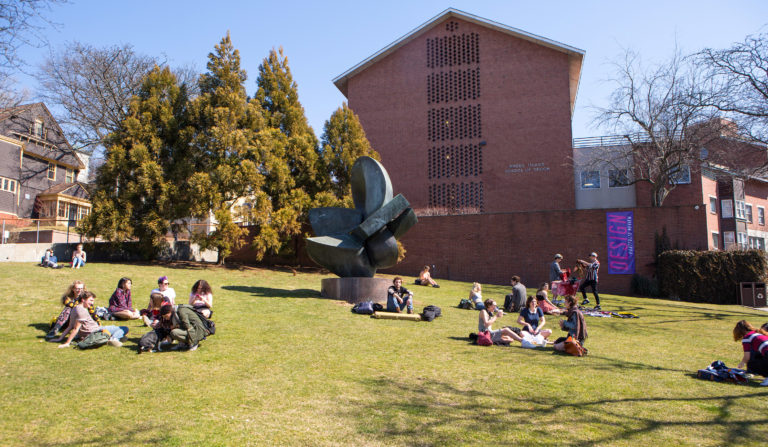
💡Seen in practice: Rhode Island School of Design (RISD) took this approach by bringing alumni engagement, events, communications, and fundraising into one connected experience. Instead of sending disconnected updates from different teams, RISD created a unified journey where alumni could see how events, mentoring, Giving Day, and career initiatives all connected to the institution's larger mission. That consistency helped make communication feel purposeful rather than promotional.
For decades, fundraising messages often focused on institutional need. Today’s alumni respond differently to the who, what, and why.
They want to know:
Across generations, alumni are increasingly motivated by visible outcomes and confidence that their support makes a tangible difference.
The message can no longer be:
"We need your support."
It needs to become:
"Here's the change your support can create."
Alumni are far more likely to want to give when they can see the people, outcomes, and impact their contribution makes possible.
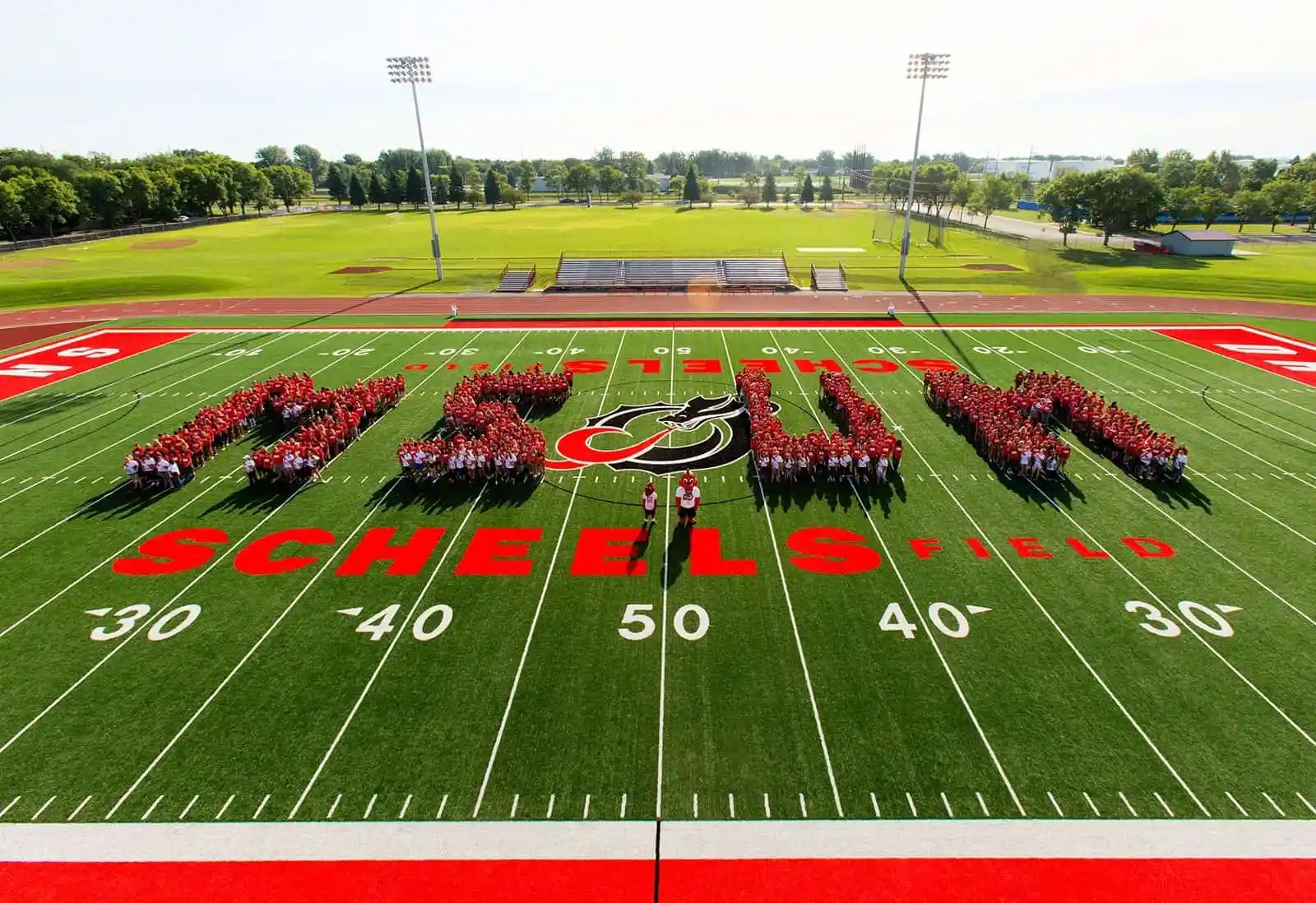
💡Seen in practice: Minnesota State University Moorhead embraced this idea through focused micro-campaigns. Instead of relying solely on broad fundraising appeals, the university invited alumni to support tangible projects like renovating the wrestling room and expanding the campus Oceanarium. Because donors could clearly see what their gifts would accomplish, these campaigns generated enthusiasm and sustained participation long after Giving Day ended.
Perhaps the most striking finding from the survey is this:
Most alumni don't believe their institution truly knows them.
They don't feel their interests are understood or priorities are being recognized. And they don't feel seen as individuals whose lives, careers, and motivations have evolved since graduation. That feeling matters more than we often realize.
When alumni feel known, trust and connection deepen. When they don’t, generosity often flows elsewhere.
Personalization isn't simply adding a first name to an email. It's listening continuously and remembering what alumni care about. It's reflecting those interests back to them through relevant opportunities, thoughtful communication, and meaningful engagement.
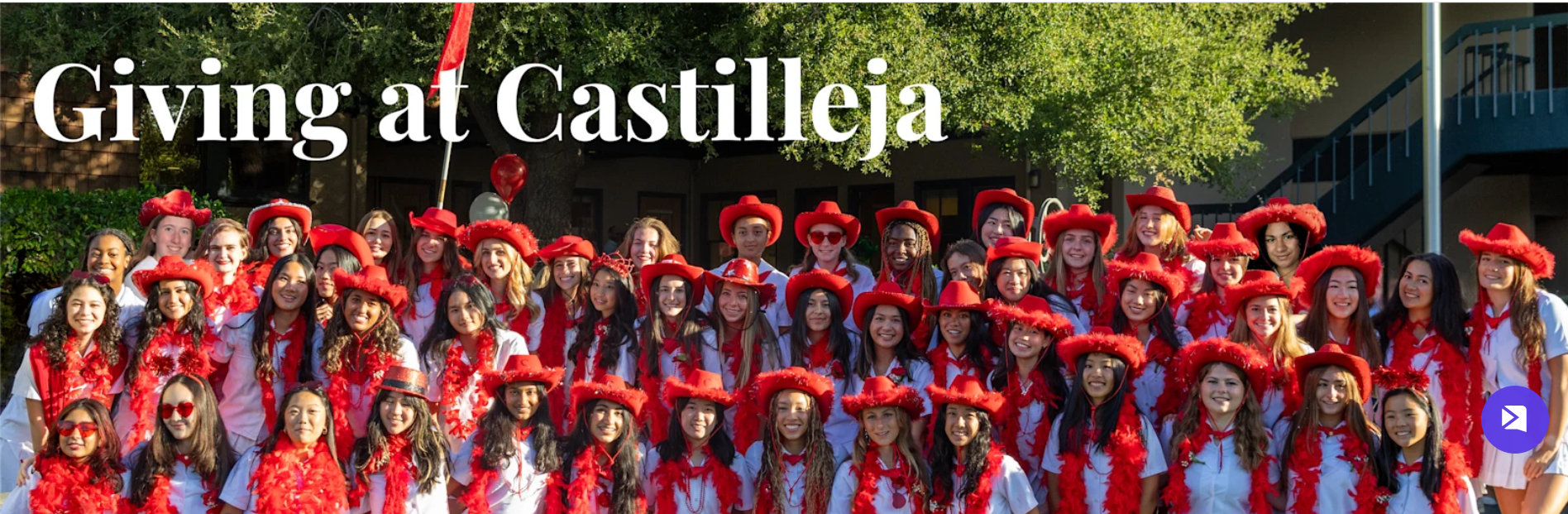
💡Seen in practice: Castilleja School demonstrates what this looks like in action. Rather than treating alumni records as static databases, the school invited alumnae to continuously update their professional interests, mentoring preferences, and volunteer goals. Those insights became the foundation for more relevant introductions, career networking, events, and mentorship opportunities—helping alumnae feel recognized as individuals rather than names on a mailing list.
The era of broad, one-size-fits-all fundraising appeals is ending. Alumni increasingly want choice, specificity, and opportunities that align with their values.
They want to support something tangible, something they can understand and something they can believe in.
The survey shows a clear preference for opportunities that feel meaningful, immediate, and connected to causes alumni care about.
When alumni can see exactly how their contribution creates change and why it matters, they're much more likely to want to participate.
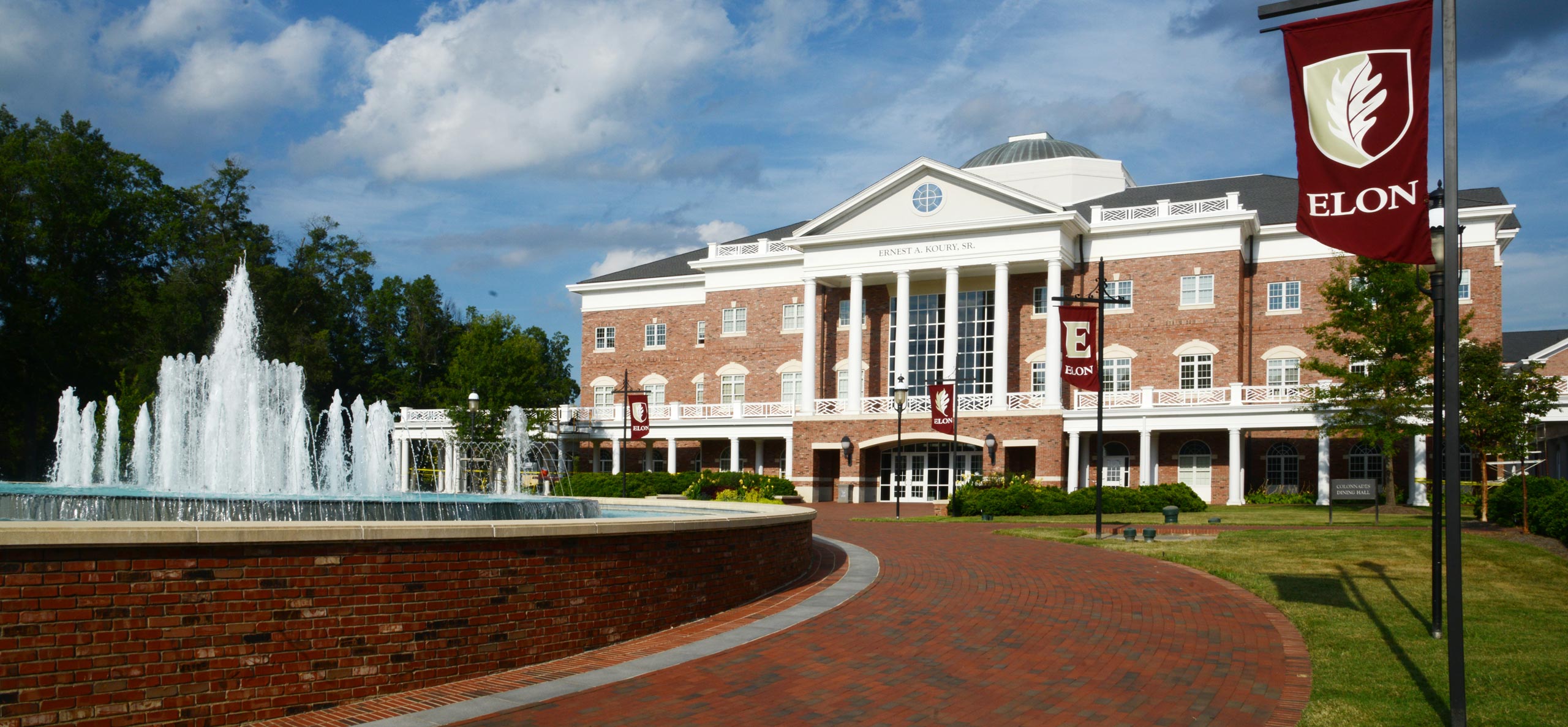
💡Seen in practice: Elon University applied this principle during Giving Day by organizing fundraising around clearly defined causes and opportunities rather than one generic institutional appeal. By making it easy for donors to support the programs and initiatives they cared about most, the university raised $3.6 million while creating a giving experience that felt personal and purposeful.
The story emerging from the National Alumni Survey is one of changing expectations.
Alumni still believe in philanthropy. They still want to make a difference. But they're increasingly choosing organizations that make them feel connected, informed, appreciated, and known.
The survey points to a simple but important truth: institutions don't create generosity through better fundraising tactics alone. They create it by building relationships that make alumni feel connected, informed, known, and capable of making a difference. That's what makes alumni want to give.
The institutions that succeed in the years ahead won't be the ones sending more appeals or optimizing more campaigns.They'll be the ones that listen more deeply, communicate more clearly, and build relationships rooted in trust and relevance.
The best advancement teams aren't simply running better campaigns—they're creating better experiences. Whether it's Illinois Tech strengthening peer connections, RISD simplifying the alumni journey, Castilleja building a living alumnae network, or MSUM extending Giving Day into year-round stewardship, the common thread is the same: they invest in relationships before asking for support. And that's what ultimately inspires generosity.
The 2026 National Alumni Survey offers deeper insights into what drives connection, trust, and generosity and how institutions can rebuild participation by strengthening relationships.
Table of Contents
Subscribe
See how modern advancement teams bring alumni engagement and fundraising together.

.svg)

.avif)
.webp)