In partnership with CASE, we surveyed 150+ institutions to understand how Giving Days are changing in 2025. Colleges and universities are moving beyond one-day-only tactics and generic outreach. They’re setting new goals, tracking new signals of success, and designing Giving Days that feel more personal and sustainable.
Summary
• Start your Giving Day planning early with campus-wide kickoffs: Get all departments and student groups involved from the beginning with collaborative sessions to share resources and build collective enthusiasm, strengthening overall participation.
• Boost alumni engagement by empowering ambassadors with simple tools: Focus volunteers on specific alumni groups, like non-reunion classes, giving them easy-to-use lists and messages to make asking for gifts fun and effective.
• Encourage authentic student-led storytelling for social media: Ditch overly polished messages and let student digital ambassadors create short, lively videos about campus life and donor impact, which helps connect with new supporters in a natural way.
• Make sharing effortless for everyone involved: Provide a digital toolkit with ready-to-use social media content, ensuring that staff, students, and ambassadors can easily spread the word and expand your Giving Day's reach across your community.
• Build lasting excitement by celebrating your internal team and extending outreach: Recognize the hard work of staff and volunteers with appreciation events, and explore community pop-ups to connect with local alumni and businesses, fostering sustained engagement beyond the Giving Day itself.
Giving Days weren’t always complicated.
What began as a single day to rally alumni and boost annual fundraising has evolved into something much bigger. Today, Giving Days are the core of fundraising, engagement, and community-building efforts across higher education. They’re no longer combined with dollars alone, but by who shows up, how they participate, and what happens after the day ends.
In partnership with CASE, we surveyed 150+ institutions to understand how Giving Days are changing in 2025. Colleges and universities are moving beyond one-day-only tactics and generic outreach. They’re setting new goals, tracking new signals of success, and designing Giving Days that feel more personal and sustainable.
This blog explores the top 7 colleges that incorporate how institutions are rethinking strategy, redefining metrics, and building momentum that lasts well beyond 24 hours.
CASE Insights spoke directly with professionals from 14 institutions across the United States, the United Kingdom, Chile, and Australia. These conversations helped bring the survey findings to life and offered deeper insight into how Giving Days are changing. Below are the top seven insights and emerging trends.
1. James Madison University: Start Early, Build Together
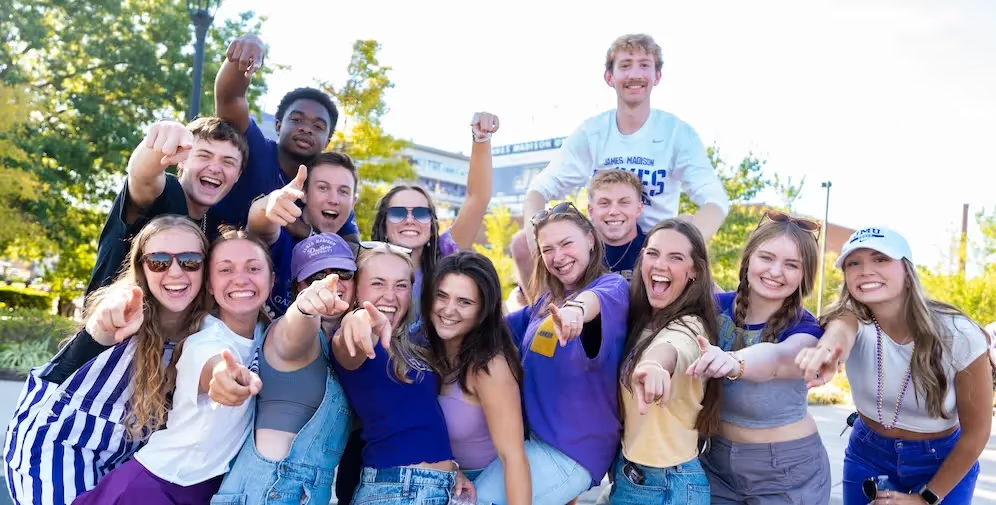
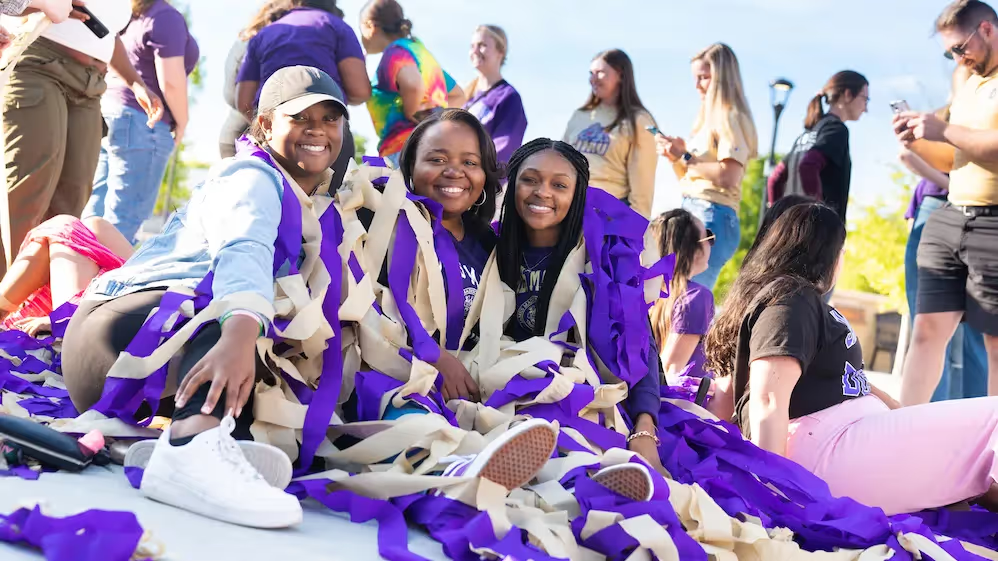
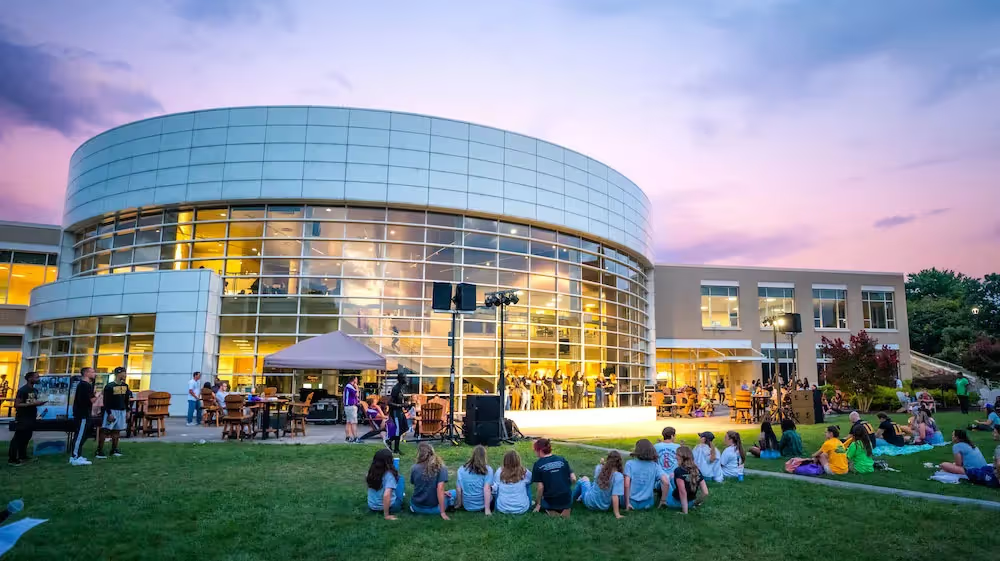
At James Madison University (JMU), Giving Day planning begins in advance. Early on, the team hosts a campus-wide kickoff called Coffee and Comms, bringing together people from across the university, from academic departments to student groups. The session covers key dates, shared resources, and a preview of upcoming content, helping everyone feel prepared from the beginning. It also gives partners a chance to ask questions, share ideas, and learn from each other. Regular check-ins after the kickoff keep the conversation going and make sure partners feel included. By treating Giving Day as an ongoing campus effort instead of a last-minute push, JMU strengthens participation, encourages new ideas, and builds momentum year after year.
.avif)
2. Punahou School: Reaching Alumni Between Reunions
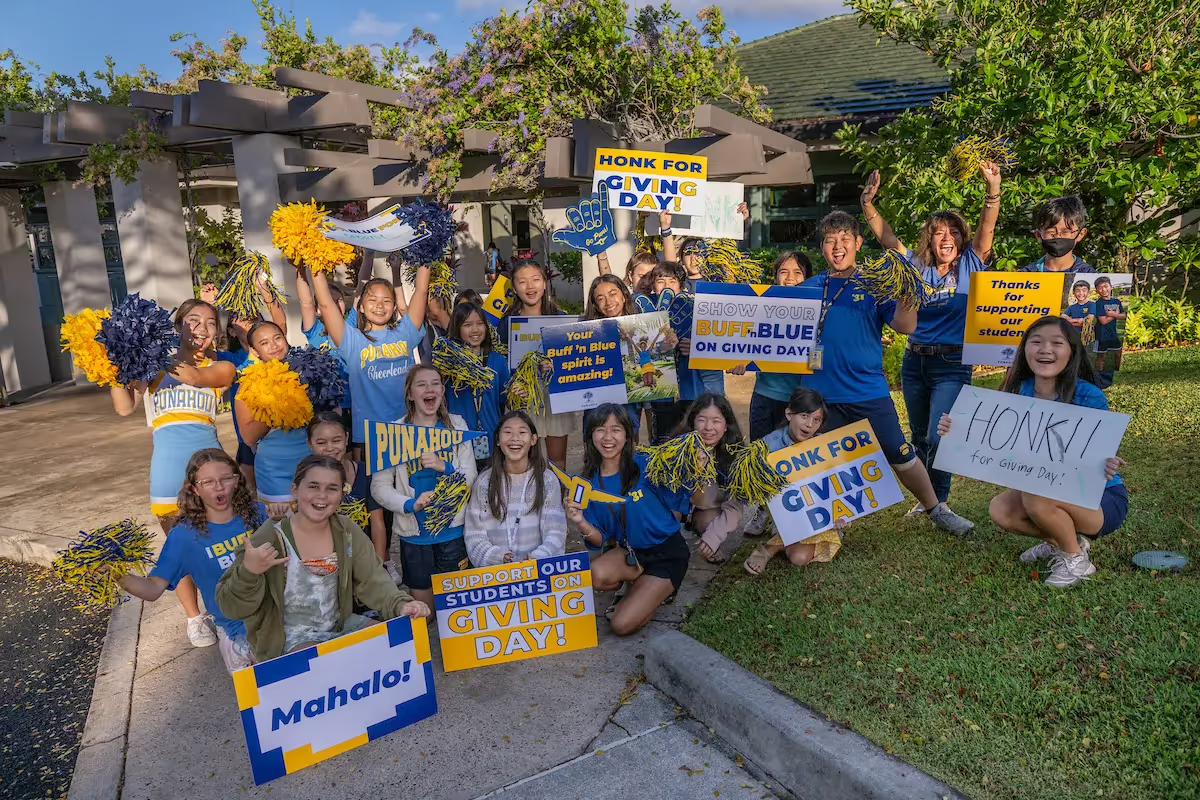
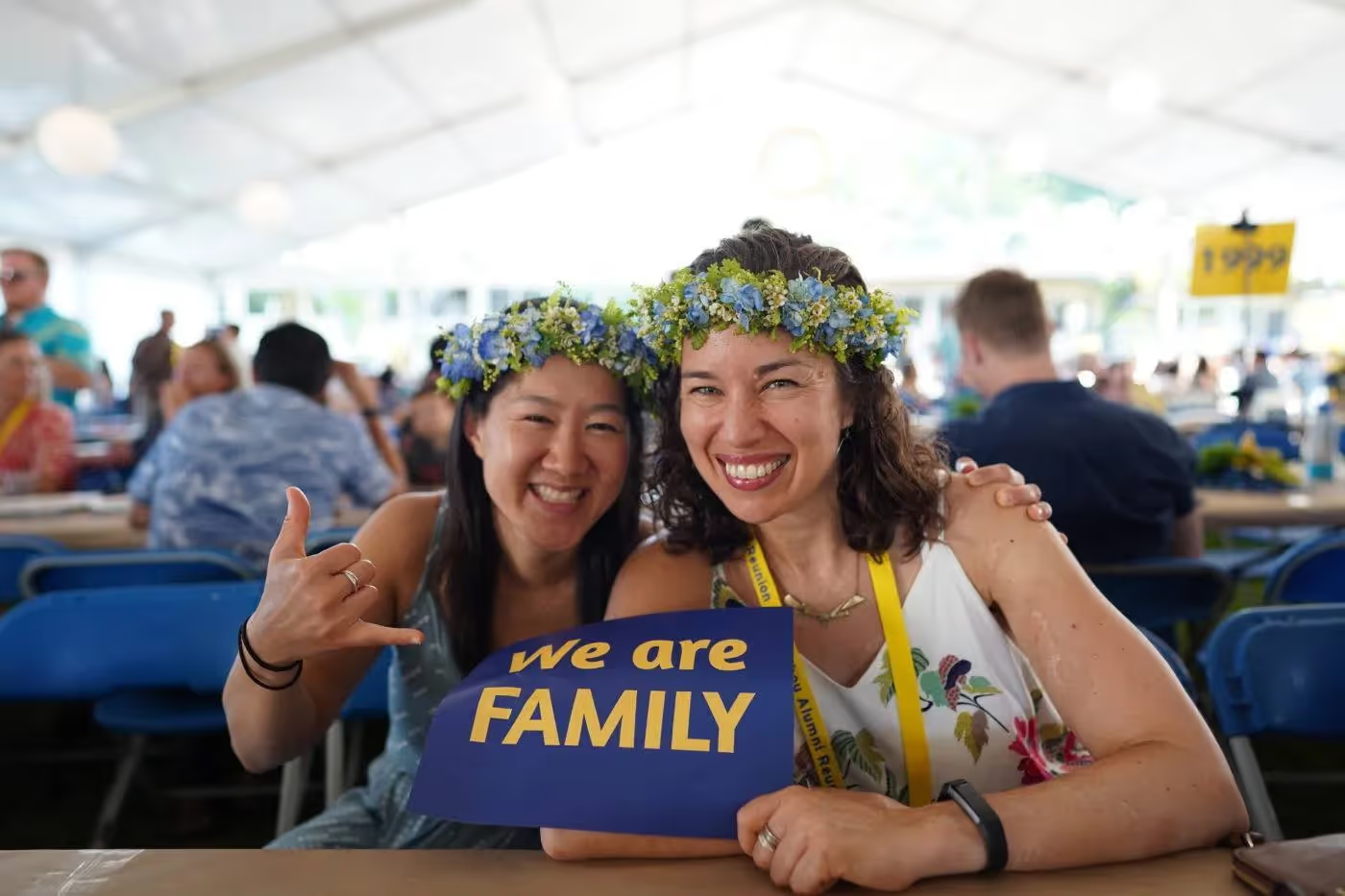
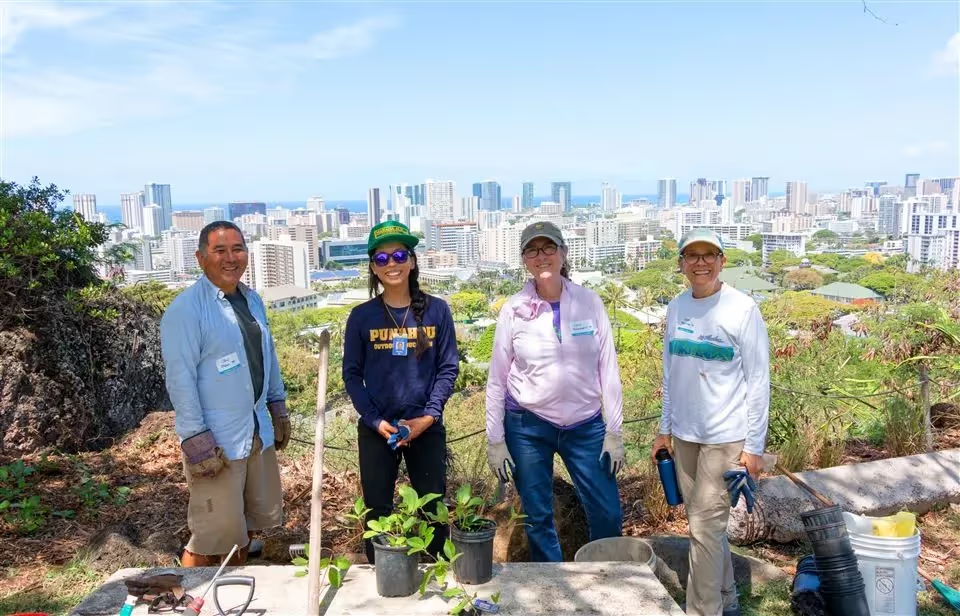
At Punahou School, Giving Day helped reconnect alumni who are usually less active between reunions. While reunion classes already had strong participation, the school saw a drop in giving in the years that followed. To close this gap, the team focused their Giving Day ambassadors on alumni from non-reunion classes. They reached out personally, kept the time commitment small, and clearly explained what was expected. Ambassadors were given simple tools such as classmate lists, ready-to-use messages, and live updates, so it was easy to ask friends to give. Seeing their class move up the leaderboard made it fun and motivating. By engaging the right group of volunteers, Punahou increased participation and continued to exceed its Giving Day goals.
.avif)
3. Universidad de los Andes: One Cause, Shared Purpose
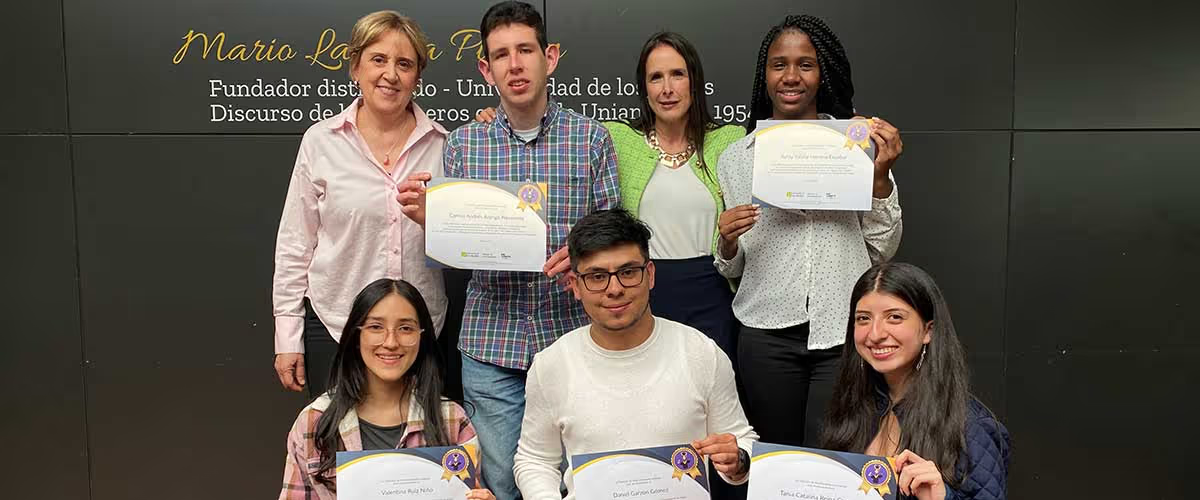
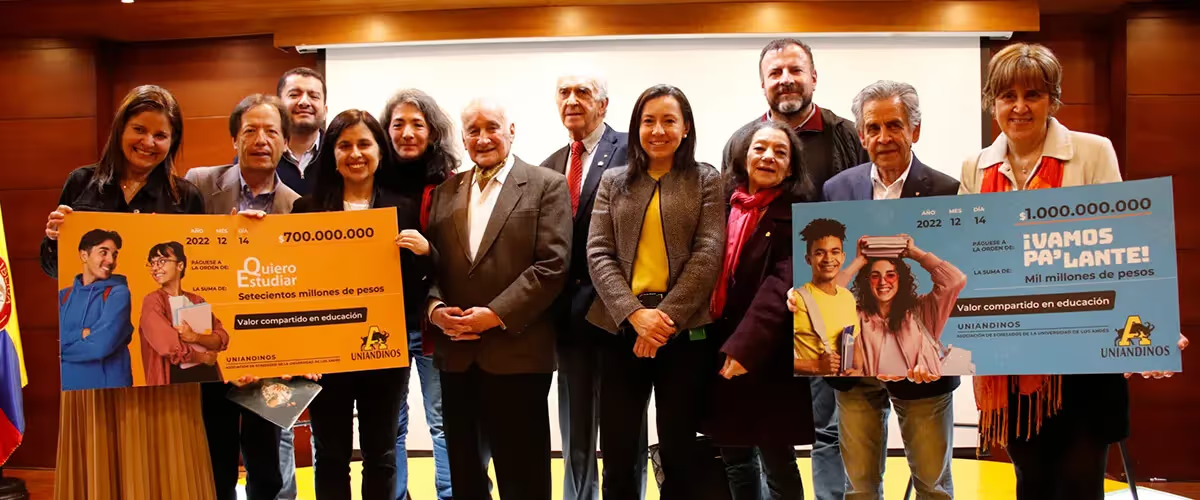
In 2019, Universidad de los Andes (UAndes) launched Chile’s first Giving Day to help build a culture of giving, where alumni were not used to donating to universities. The team focused on one clear cause, student scholarships, so donors could easily see the impact of their gifts. They shared student stories through videos and social media and spent time explaining why giving matters and how it helps students.Despite early doubts, the first Giving Day exceeded its goals and has continued to grow. Today, it’s seen as a joyful campus-wide event, with students, alumni, faculty, and staff all taking part. What began as a fundraising effort has become a celebration of generosity, and it has inspired other universities across Latin America to launch Giving Days of their own.

.avif)
4. George Washington University: Let Students Lead the Story
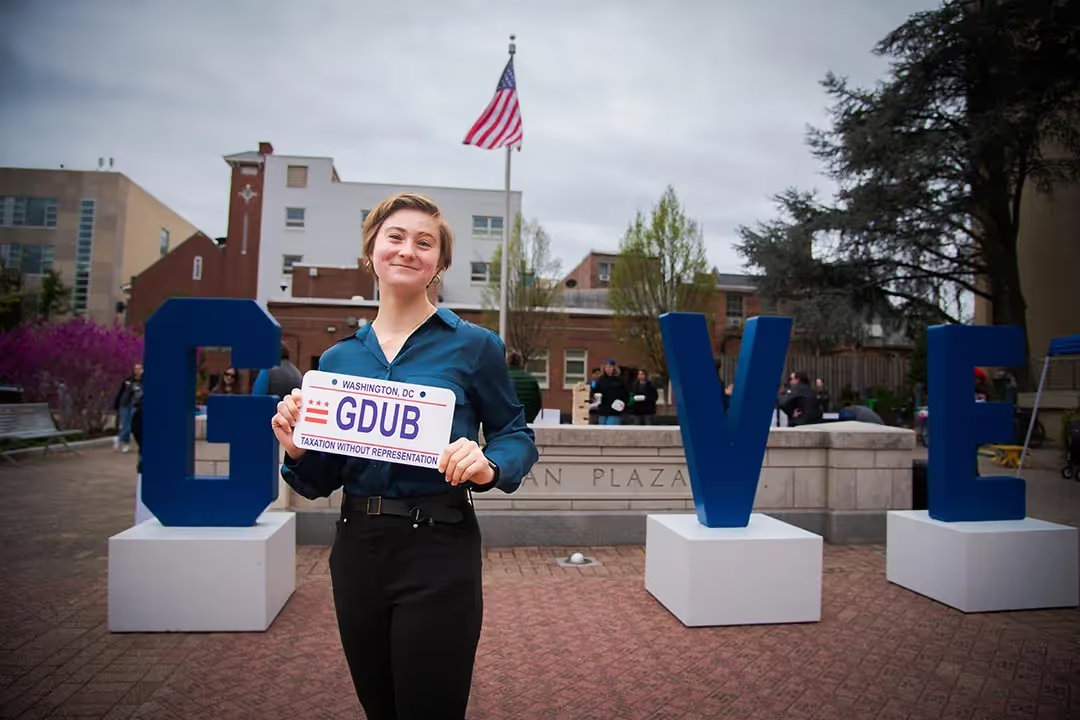
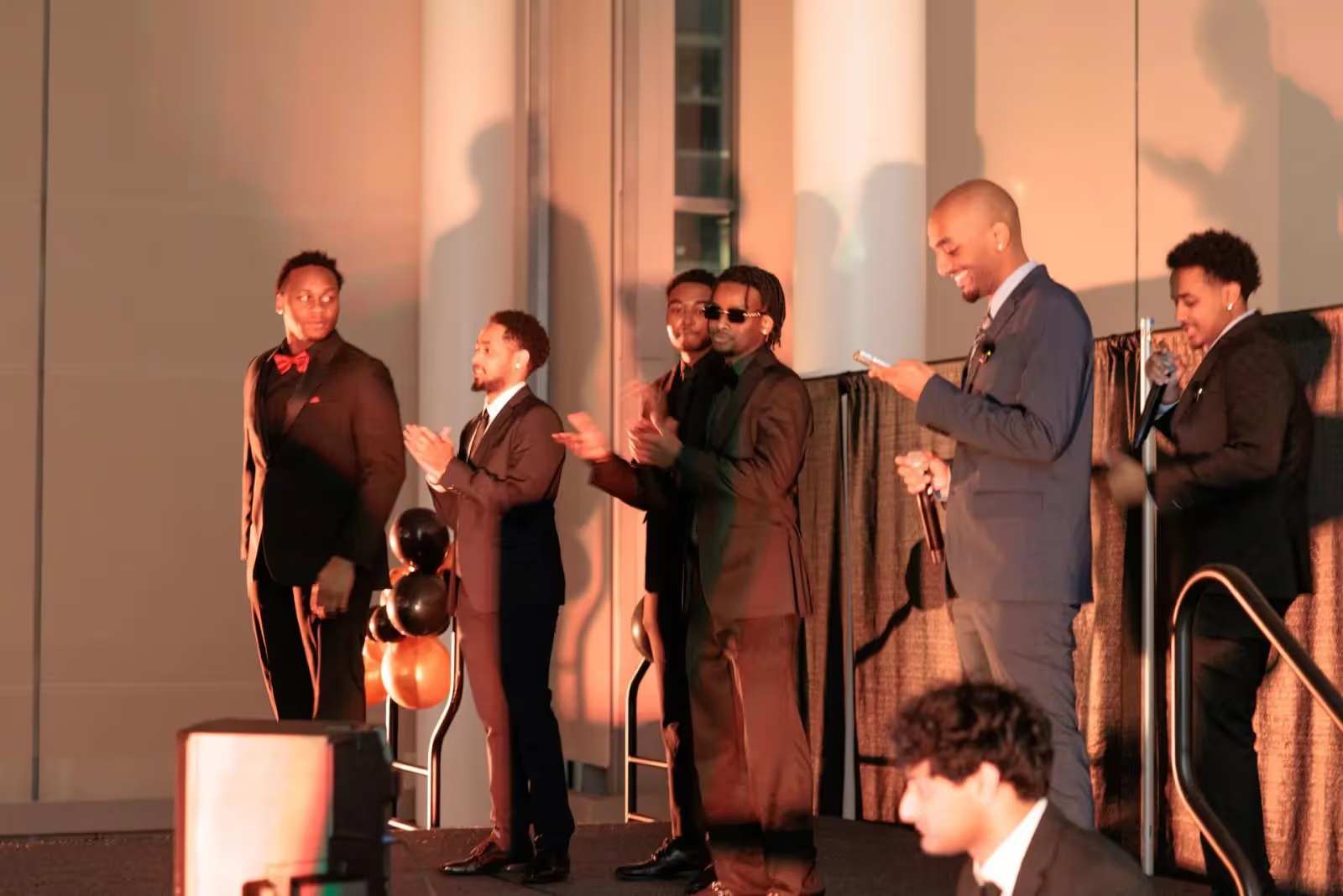
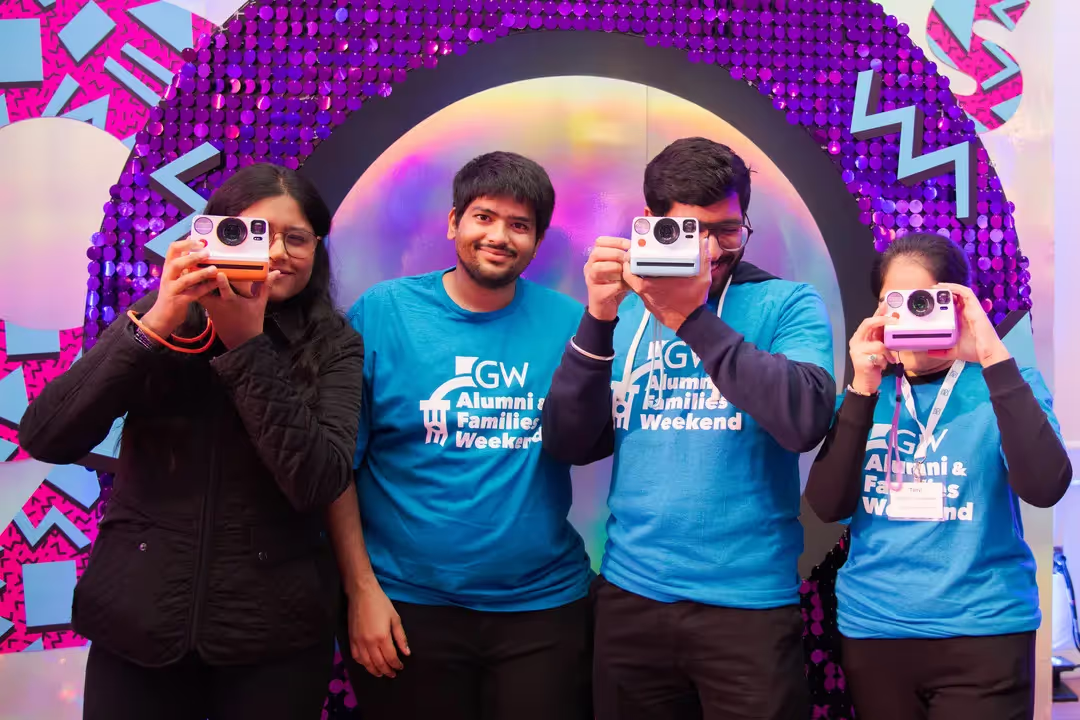
Over the past few years, George Washington University (GW) has used Giving Day to try a more relaxed and creative social media approach. Instead of polished marketing, they rely on a team of student digital ambassadors to create short, fun videos about campus life, student opportunities, and how donations make a difference. These quick videos are easy to watch and connect better than long emails. On Giving Day, students go live from campus events, share leaderboard updates, post thank-you videos, and keep energy high online. This student-led, authentic content has made Giving Day feel more lively and has helped GW reach and engage new donors in a way that feels natural and human.
.avif)
5. Southern Illinois University Edwardsville: Make Sharing Easy
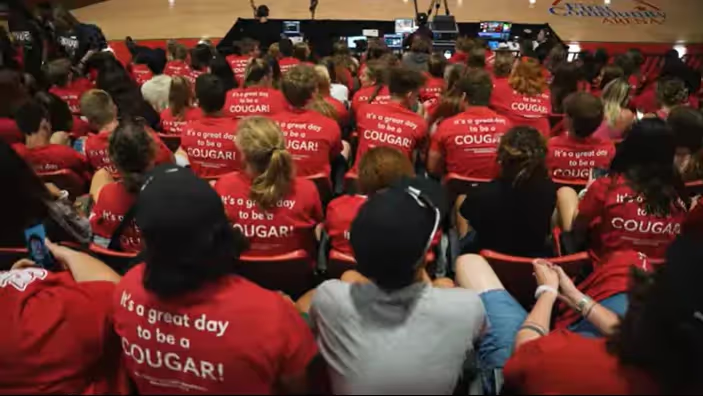
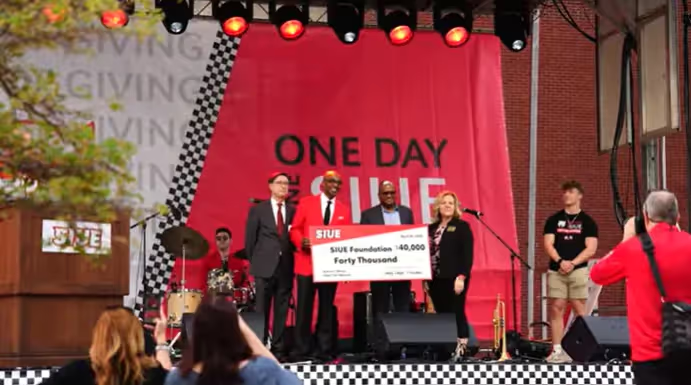
Southern Illinois University Edwardsville (SIUE) launched its first Giving Day in 2022 with ambassadors at the center of the effort. To help people across campus take part, the team created a simple digital toolkit with ready-to-use content for social media. Posts were pre-made and sized for each platform, making them easy to share without extra work.By putting everything in one easy-to-find place, SIUE removed friction and made it simple for students, staff, and ambassadors to spread the word. The toolkit quickly became a go-to resource and helped expand the reach of Giving Day across campus.

.avif)
6. Fresno State: Taking Giving Day Into the Community
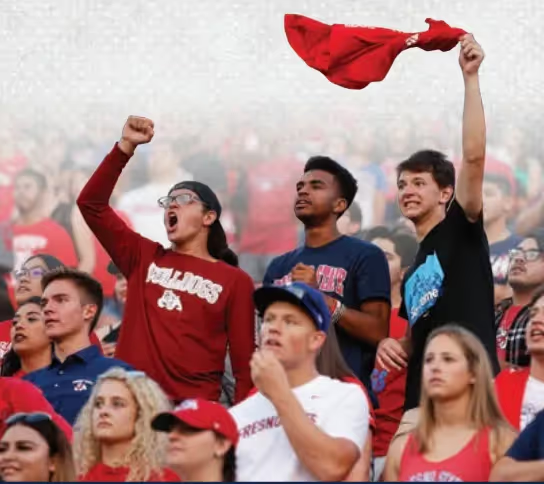
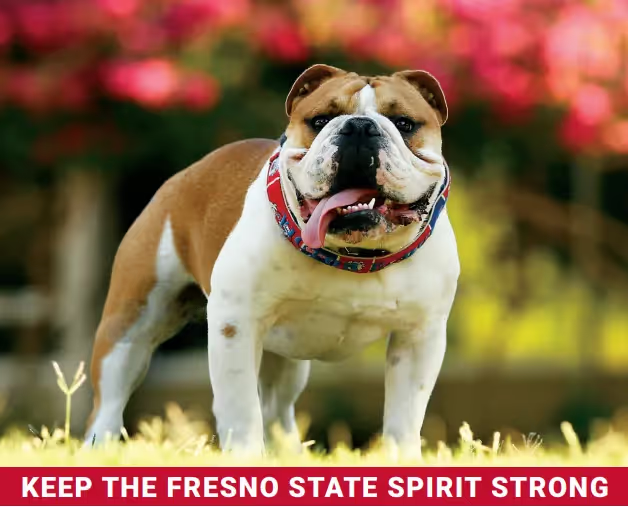
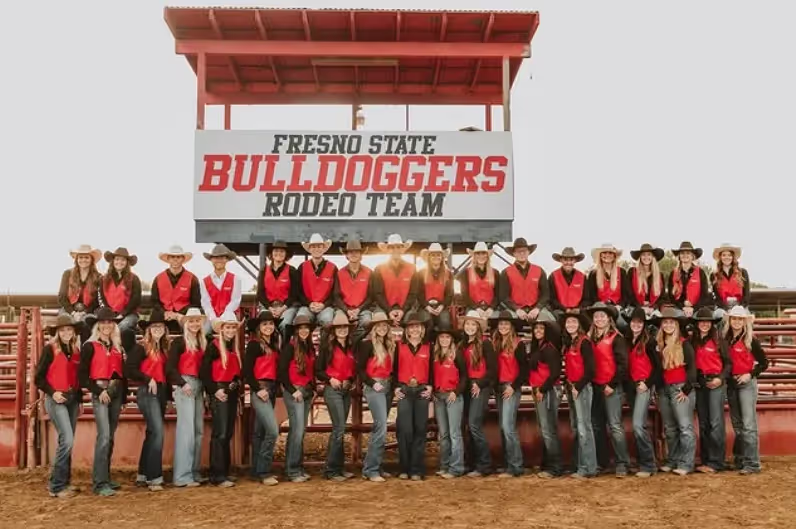
In 2025, California State University, Fresno (Fresno State) took Giving Day beyond campus with its first Bulldog Roadshow. In one day, the team visited local businesses with pop-up events featuring treats, giveaways, the mascot, and QR codes for Giving Day. The roadshow helped promote Giving Day while celebrating alumni working in the local community. Businesses helped spread the word, and the response was so positive that many were already asking to take part again. Encouraged by the success, Fresno State is now exploring ways to expand the roadshow and better track its impact in future Giving Days.
.avif)
7. Oregon State University: Celebrating the Team Behind Giving Day
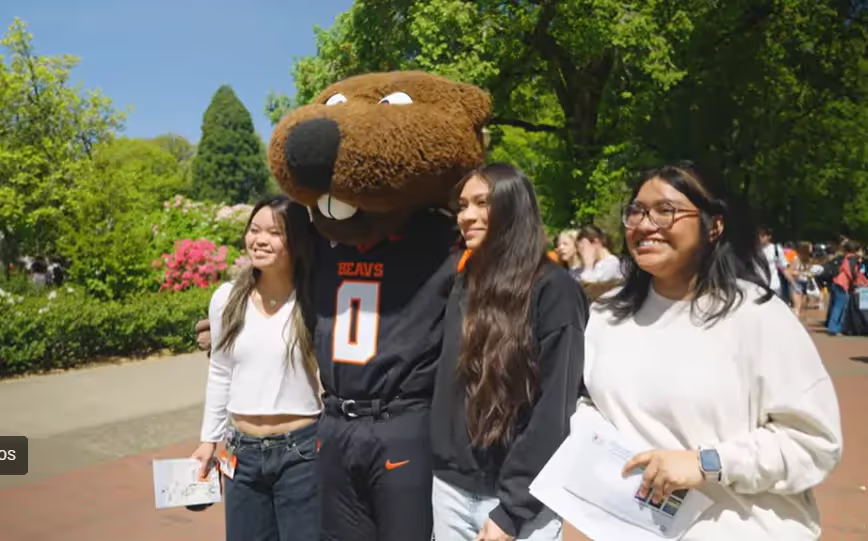
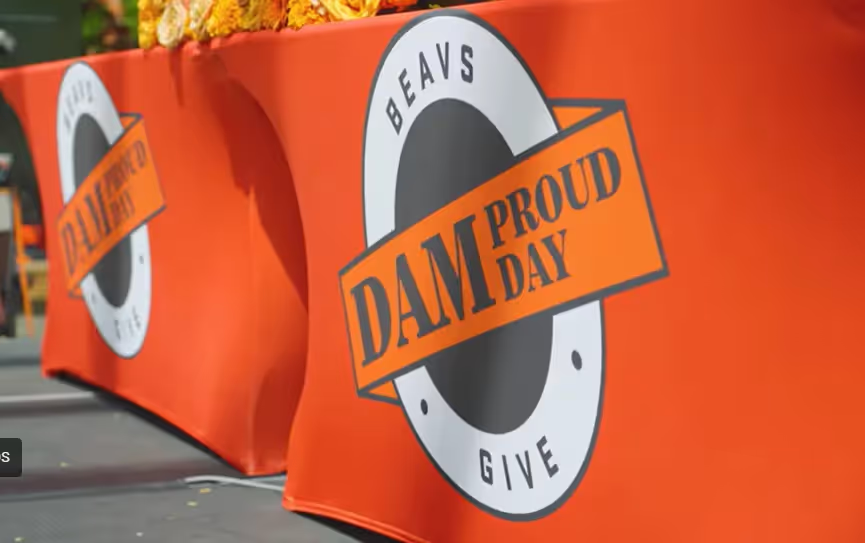
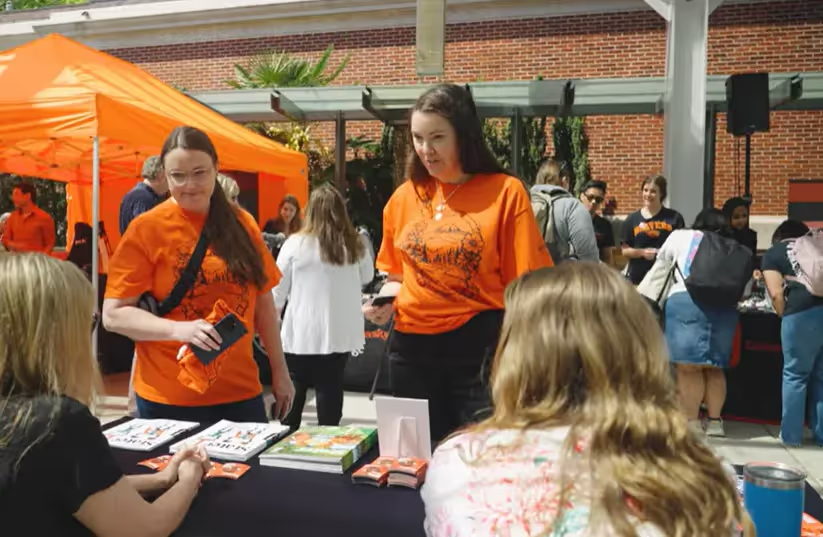
At Oregon State University (OSU), Dam Proud Day is built through strong teamwork across campus. In its first year, the team created a small event called The Dammys to thank staff who worked behind the scenes on Giving Day. Over time, The Dammys has grown into a campus-wide celebration. Leaders, staff, faculty, students, and partners come together to recognize great ideas, strong collaboration, and creative fundraising. The awards build excitement, share what works, and help teams learn from each other as they plan for future Giving Days.
.avif)
Giving Days are now an important part of annual giving in education. They have grown beyond one-day fundraisers into moments that bring the whole community together. By involving volunteers, highlighting student voices, and reaching local supporters, institutions are encouraging more people to take part and feel proud of their campus.
Most importantly, Giving Days make giving feel simple and welcoming. Every action and every gift, no matter how small, helps people feel connected to a shared purpose. At a time when fewer people are giving, Giving Days help grow participation, support future donors, and build a stronger culture of giving over time.
Subscribe
See how modern advancement teams bring alumni engagement and fundraising together.
Plan faster. Execute better
Explore free templates designed for alumni and fundraising teams.
.png)

.avif)
%201.svg)
%201.svg)
%204.svg)




.svg)