Global or international alumni today form a growing focus area in any modern alumni program. Let's look at some challenges in this area and how to overcome them

Global or international alumni have steadily gained more attention over the past few years. However, engaging international alumni is still a relatively new field for non-Ivy League institutions due to the sheer difference in number of international students that they engage with regularly. However, today’s digitized and hybrid alumni engagement strategies combined with a healthy increase in international students make it necessary for any university, college, or even school to keep their international alumni engaged and feel truly appreciated.
Today, we will look at some of the challenges that institutions just starting to engage their global alumni inevitably face and how they can overcome them.
"…systematic and organised philanthropic giving and fundraising towards higher education, up until relatively recently, was solely a U.S. phenomenon"
- Noah D. Drezner, The global growth of higher education philanthropy and fundraising (2019)
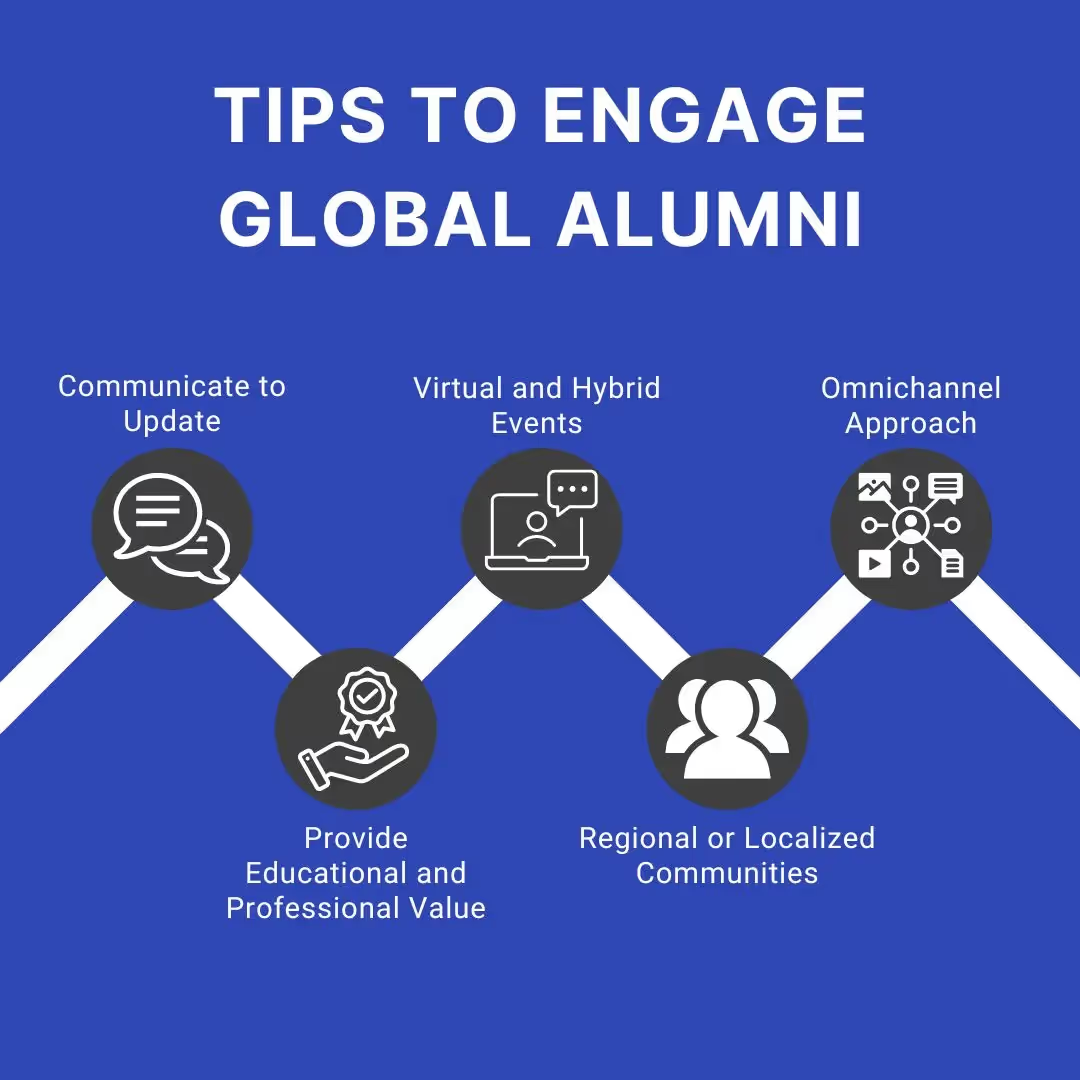
Table of Contents
Subscribe
See how modern advancement teams bring alumni engagement and fundraising together.
Last year was disappointing for many, especially milestone classes longing for reunion programs and special events to commemorate their grad year. However, many institutions mitigated the situation by pivoting to virtual events so their members could connect from wherever they were. Going forward, many institutions plan on focusing on virtual and hybrid events instead of going completely in-person, given the flexibility they offer — alumni can choose to attend in person or hop on a call no matter where they are.
If you are looking for ways to engage your alumni in 2024, consider the following virtual and hybrid event ideas, we have got your back. Let’s dive in and discuss some virtual and hybrid alumni engagement events you can plan for your alumni.

Organize a speaking event involving a public figure or influencer who is an alumnus. This event can be entirely virtual or hybrid to create a homecoming experience for those interested in attending in person. When choosing the event speaker, consider an individual with a strong personality who can pull the targeted crowd of alumni and use their platform to publicize the event. Your team may need to book your famous figure early. It’s best practice to reach out to the potential speaker about six months in advance to lock down a date with them.
Consider compiling a list of upto three key people and contacting those of top priority first. Once you’ve secured a speaker, other event logistics such as securing a virtual event platform or mobile event app can follow. Consider also allowing the speaking event to be an opportunity for networking and fundraising.
Bring the expertise of industry-leading professionals to alumni in a virtual setting. These webinars are ongoing alumni engagement events that are geared toward the professional development of members. They could be monthly or bi-monthly, but they must cover a variety of topics that delight attendees. The content related to alumni’s career and personal well-being can be delivered as live webinars, pre-recorded streaming, or uploaded as on-demand content.
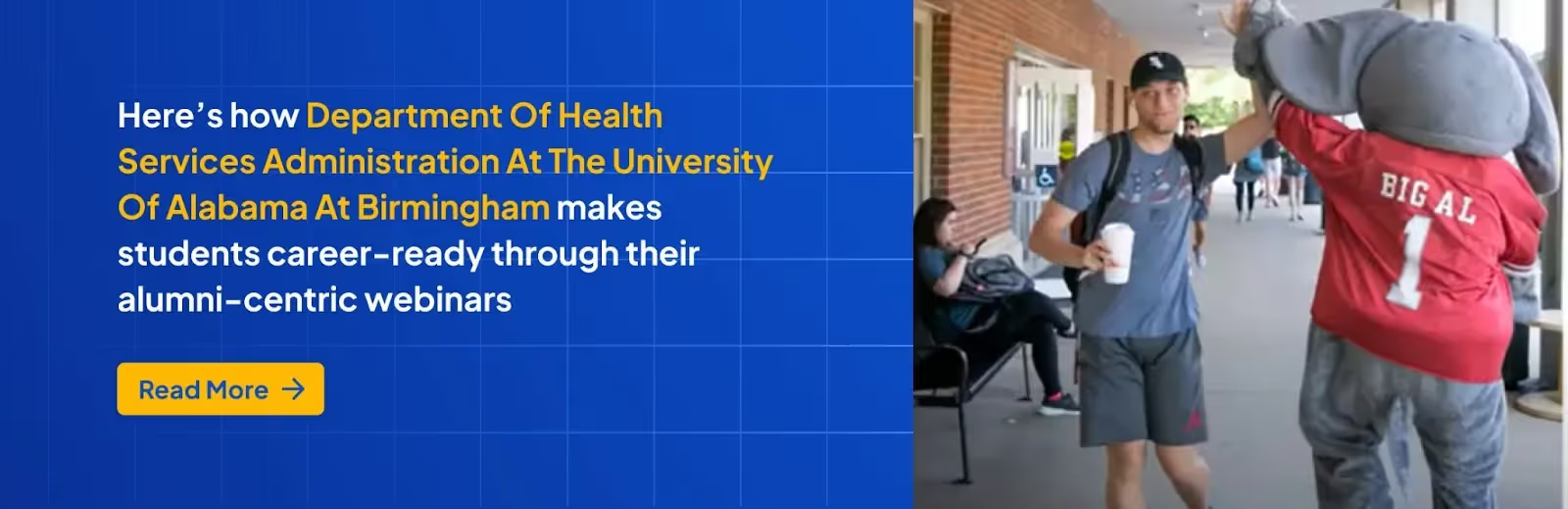
To have interactive webinars, use a virtual event platform to host these webinars so that attendees can connect and contribute with their profiles and continue to engage with one another on the platform after the events.
A homecoming or reunion weekend is an opportunity for alumni to connect with faculty, students, and staff. This annual event usually features a variety of programs such as:
When organizing a homecoming alumni event, focus on content strategies that will provide meaningful engagement opportunities for all attendees. Make event sessions, offers, and experiences contextual to create personalized experiences for attendees.
Homecoming and reunion events are the best fit for hybrid experiences. Therefore, you should put considerable effort into engaging online attendees in every aspect of the event. It is critical to choose a versatile event platform and app that can provide the required engagement level.

Create a fun experience for your alumni to connect, network, learn and give by organizing a virtual or hybrid alumni variety night. As the name implies, you can be creative to include anything that offers fun engagement and fosters interactions among members. Consider the suggestions below:
You can also make the variety night a fundraising gala with silent auctions that target wealthy alumni groups. The auction items should be distinctive and enticing to encourage bidders. You can make them more special by getting famous alumni like renowned scientists, celebrities, and athletes to sign the items that are up for bidding.
The auction can also involve naming rights to a building or facility within your institution’s campus so alumni can secure their legacy at the school.
Another way to engage your alumni is by organizing game activities as stand-alone events. You can do this virtually and include some fundraising elements in the games as well. We suggest the games below for the best event possible:
Picture Zoom
Present alumni with zoomed-in images of popular places on campus and ask them to guess what the full image is. To organize this game, gather some pictures and create a quiz slide with the zoomed image included. Then have players guess where the photo was taken. Set a time limit and award points based on speed and accuracy of answers. After the quiz is taken, show the whole image in the quiz leaderboard slide and display the top winners.
Scavenger Hunts
A virtual scavenger hunt consists of individuals or group hunters racing to find items or solve challenges. The event host creates challenges that members can complete within their homes. For example, the host can ask members to hunt for a list of items that connect them with their alma mater and set a time limit to find them. The host approves the items that are submitted and determines the winners.
Alumni can play the game in groups based on alumni classes and each group can assign tasks to the other groups in succession to make the game more fun.
Mini Balderdash
This game is about putting up an uncommon word from the English language and asking your members to guess the meaning. You will likely get different, fun guesses.
Melody Match
Select a collection of tunes that your alumni can relate with and play each for about 10 to 20 seconds. Ask members to identify the song and the artist to win.
Most likely to...
This game is suitable for smaller rooms with a class of alumni who know their fellow mates well. Name some “most likely to” scenarios and ask participants to vote on who's most likely to do or get involved in a particular thing, whether good or bad.
There are other games and fun activities like virtual jeopardy, virtual yoga, and endurance exercises that you can plan for your alumni. During game activities, encourage members to put their webcam on to make things more exciting and interactive. With an effective virtual event platform and mobile event app, you can host all kinds of alumni engagement events within a calendar year. It will make planning future events easier because you’ll now be able to measure your ROI and engagement success as you begin hosting events.
.webp)
5 Virtual & Hybrid Alumni Engagement Events For 2026
Looking for ways to level up your alumni engagement program for 2026? Consider the following virtual and hybrid event ideas to connect and delight your members.
Lorem ipsum dolor sit amet, consectetur adipiscing elit. Suspendisse varius enim in eros elementum tristique. Duis cursus, mi quis viverra ornare, eros dolor interdum nulla, ut commodo diam libero vitae erat. Aenean faucibus nibh et justo cursus id rutrum lorem imperdiet. Nunc ut sem vitae risus tristique posuere.
The pandemic posed a formidable challenge to alumni volunteer program coordinators, complicating the ways in which they were able to engage, communicate, and connect with their alumni. Luckily, constraints for physical gatherings have eased as the crisis has progressed, and we seem to have entered a new and exciting era of hybrid engagement where program coordinators have more agency over their volunteer offerings than ever.
In fact, with in-person events having opened up again and new digital engagement strategies cropping up every day, now is the best time to level up your alumni program in and beyond 2022.
Volunteering is an essential element of any robust alumni program because it can form long-lasting relationships between alumni and your institution and boost donation revenue through volunteer grant funds. Read on to maximize these benefits and increase the success of your alumni volunteer program.
With each new generation of alumni more frequently engaging online through using their phones, interacting with social media, and discovering new virtual platforms, your alumni program must adapt to these changes to secure their attention. Add an insightful social media strategy to your current marketing initiatives to create a more effective, multichannel campaign for your volunteer program.
Virtual marketing mediums not only allow you to directly connect with alumni where they live, chat, and play, but they also offer unique opportunities to engage with your audience. You simply need to know how to leverage these platforms to their fullest potential.
Be mindful of these social media best practices to engage alumni and increase interest in your volunteer opportunities:
While email, direct mail, and other, more traditional channels are essential to your alumni communications, new mediums like social media will allow you to take your marketing materials to new heights.
Get Connected by Galaxy Digital’s guide to starting a volunteer program cites opportunity matching as one of the most effective methods to recruit and engage volunteers. This strategy allows you to fine-tune your communications by sharing volunteer positions and events with alumni based on their skills, experience, and interests.
The following data metrics can help you tailor your event invitations to the right alumni:
Keep your alumni involved and encourage their participation in volunteering by sharing opportunities that they would be most likely to participate in. Rather than sending out general email blasts describing all of your volunteer experiences, opportunity matching will enable you to personalize all of your alumni communications and thereby increase engagement.
The number of event registrations, total volunteer hours, and similar key performance indicators (KPIs) should all be automatically logged into your alumni and volunteer databases. However, there’s another important piece of information that too many alumni programs neglect: alumni feedback.
Regular volunteer surveys and polls allow you to gauge opinions, experiences, and reactions that would have been difficult to measure with raw data alone.
Many volunteer or alumni management solutions already exist that can help you create, send, and create reports based on these surveys. But if you’re still struggling to think of how you could make the most of these forms, here are a few of the different kinds of alumni volunteer surveys you should send out:
By spacing out these surveys during opportune times in each volunteer’s involvement with your program, you will be able to gather valuable information while it is still fresh in their minds. This information can then be used to directly address the issues raised by volunteers, improve your program, and further personalize your messaging to maximize engagement.
Whether your alumni are longtime volunteer program members or they have yet to participate, the promise of being a part of a community is an enticing prospect for any alumni.
The lockdown era of the COVID-19 pandemic left many people feeling more distant than ever, and it’s essential to combat these lingering effects by coming up with opportunities for alumni to connect with one another.
Whether you conduct virtual and hybrid alumni events or in-person gatherings, these engaging initiatives will encourage community-building between your alumni volunteers:
While alumni may be motivated to participate in your volunteer opportunities to support their alma mater or help the less fortunate, it will take more than an altruistic impulse to keep them involved in your program. Offering the opportunity to form a community with like-minded people will ensure that alumni stick with your volunteer program for far more than a single event.

To effectively carry out these volunteer program best practices, you might also consider investing in an alumni or volunteer management solution. From locating qualified nonprofits for partnership opportunities to facilitating social media outreach strategies, the right management software will streamline volunteer recruitment, engagement, and retention.
However, regardless of whatever software solutions you may choose, these strategies should set you up to ensure the future success of your own alumni volunteer program.

4 Ideas to Boost Alumni Engagement in Volunteering
Encouraging alumni volunteerism can be a challenge for any alumni coordinator. Follow these simple tips to raise volunteer recruitment for your own program!
Lorem ipsum dolor sit amet, consectetur adipiscing elit. Suspendisse varius enim in eros elementum tristique. Duis cursus, mi quis viverra ornare, eros dolor interdum nulla, ut commodo diam libero vitae erat. Aenean faucibus nibh et justo cursus id rutrum lorem imperdiet. Nunc ut sem vitae risus tristique posuere.
As a remote working professional with years of experience in alumni relations & fundraising, Nita June, Director of Alumni Relations at The Association of Waldorf Schools (AWSNA) finds that working remotely offers flexibility and freedom that is refreshing and gratifying. She also feels that this same freedom can be challenging to manage successfully and that everyone has their own methods that work for them. Check out our Advancement from Home eBook to read what Nita and other advancement professionals are saying.

With schools and universities closed for a long time now, advancement staff members are gradually adapting to the new norm of working from home while effectively engaging alumni and donors via virtual events.
Backed by data from 200+ schools and universities who have hosted successful virtual events over the last two months, here’s a virtual event checklist for advancement teams.
With tons of creative virtual event ideas floating around the internet, the best way to figure out what’s best for you is to ask yourself these questions:
- How can you offer support to your audience during these testing times?
- How can you solve a particular pain point of your constituents with your event?
Based on what your audience will resonate with the most, get started with building your virtual event.
The French American International School anticipated a need for an increase in financial aid for next year as it provides support to its students in the form of tuition, books, lunches, and to every family that needs help during these tough times.

Once you’ve decided your virtual event theme, put together your event agenda and figure out what tools you need to execute your event.
You can set up a dedicated event page on your alumni website or create a Facebook event page to capture registrations. If you need additional software such as Zoom for video conversations with attendees, Trello for organizing your event, or Almabase or Blackbaud to send emails to your attendees, this is the right time to talk to the experts on each team.
Take a cue from Antioch College’s incredible success with its first Virtual Div Dance Party. The Alumni Association set up an event page on its alumni website and Facebook to capture registrations. In addition to this, Antioch College needed funds to be able to host the 6-hours long virtual event which had 400+ registrations. So, the college set up a virtual fundraiser and urged attendees to contribute. Read how Antioch College got 400+ attendees to its Virtual Div Dance Party in 11 days amidst the COVID-19 outbreak.

Your virtual event’s success is largely dependent on your marketing strategy. O, how do you build a solid marketing strategy? The answer is by following the basics - emails and social media.
Use past data including event attendance, Facebook engagement, donation history and email engagement to identify highly engaged constituents and retarget them with personalized emails for your virtual event.
Social media is a powerful tool when it comes to maximizing the reach of your virtual event. Create a hashtag, a series of posts, get your followers to join in and encourage them to share these posts with their network.

You’re done with the planning, you got people to register for your virtual event, and with that awesome tool you signed-up for, your event is going great. Now what?
Having a good measure of engagement is critical to report on the success of your virtual event while working remotely. Measure your event based on metrics like registrations, check-ins, email open and click rates, and social media impressions and reactions.
Another key metric that helps determine the success of your virtual events is post-event feedback. This is crucial in improving the quality of future events and boosting participation. It reveals what attendees, sponsors, and stakeholders loved about your event and what you can do to make it even better next time. There are various ways to collect high-quality feedback from your event attendees.


4 simple steps to host a successful virtual event while you’re working from home
Find the checklists to host successful virtual events for alumni. Create your virtual events while you are working from home and boost alumni engagement.
Lorem ipsum dolor sit amet, consectetur adipiscing elit. Suspendisse varius enim in eros elementum tristique. Duis cursus, mi quis viverra ornare, eros dolor interdum nulla, ut commodo diam libero vitae erat. Aenean faucibus nibh et justo cursus id rutrum lorem imperdiet. Nunc ut sem vitae risus tristique posuere.

.svg)

.avif)
.webp)