Giving Tuesday brings people and communities together in a global day of generosity. Here's what you need to know and how to plan your campaign.

Sharada Koti
Published:
November 16, 2026
Updated:

For many organizations, the weeks between Thanksgiving and the end of December are among the busiest of the fundraising year. It’s that time when teams are working towards their annual targets, sending out year-end appeals, and donors are deciding which causes to support. Giving Tuesday falls right in the middle of this period, giving organizations a dedicated opportunity to bring a cause into focus and invite people to support it.
But how do you make the most in a single day when so many organizations are asking for support? Understanding how Giving Tuesday works, what motivates participation, and how to plan your campaign can help you make better decisions before the day arrives. In this article, we will look at the movement, its significance, and the steps involved in planning a successful campaign.
Giving Tuesday is a global day of generosity that brings people and organizations together to support causes and communities. It is observed every year on the Tuesday after Thanksgiving in the United States. It places itself after Black Friday and Cyber Monday, bringing the focus back to giving after two major shopping events.
The movement began in 2012, in New York's 92nd Street Y to create a public moment around generosity. Inspired by the visibility of Black Friday and Cyber Monday, the organizers wanted to shift some of the holiday season's attention towards charitable causes, community support, and civic participation.
Its open approach is what made it stand out from other giving movements. There were no rules about who could participate, which causes people should support, or how they should give. There was no central charity, single fundraising campaign, or prescribed donation amount.
The idea soon spread beyond the United States as local leaders and organizations adapted it to their own languages, causes, and giving traditions. Mexico adopted Un Día Para Dar, Canada developed #GivingTuesdayCA, and France embraced Mardi Je Donne. In 2019, GivingTuesday became an independent nonprofit to support its growing international network.
Today, the movement has official national networks in more than 110 countries, alongside thousands of community-led campaigns. Its work also continues beyond the annual event through local initiatives, partnerships, and efforts to make generosity part of everyday life.
As a global day of generosity, Giving Tuesday involves thousands of organizations and individuals raising funds for a wide range of causes. This also means that there are no specific protocols or rules that fundraisers necessarily need to stick to. However, the branding and recognition of the movement ties these various fundraising events together into the global day of giving it has become today. Organizations and individuals remain free to decide how, where, and whom they support.
GivingTuesday also supports campaigns that bring entire communities together. Through its Community Campaign Accelerator, it works with local leaders and community foundations to develop coordinated giving initiatives involving multiple nonprofits, businesses, and residents.
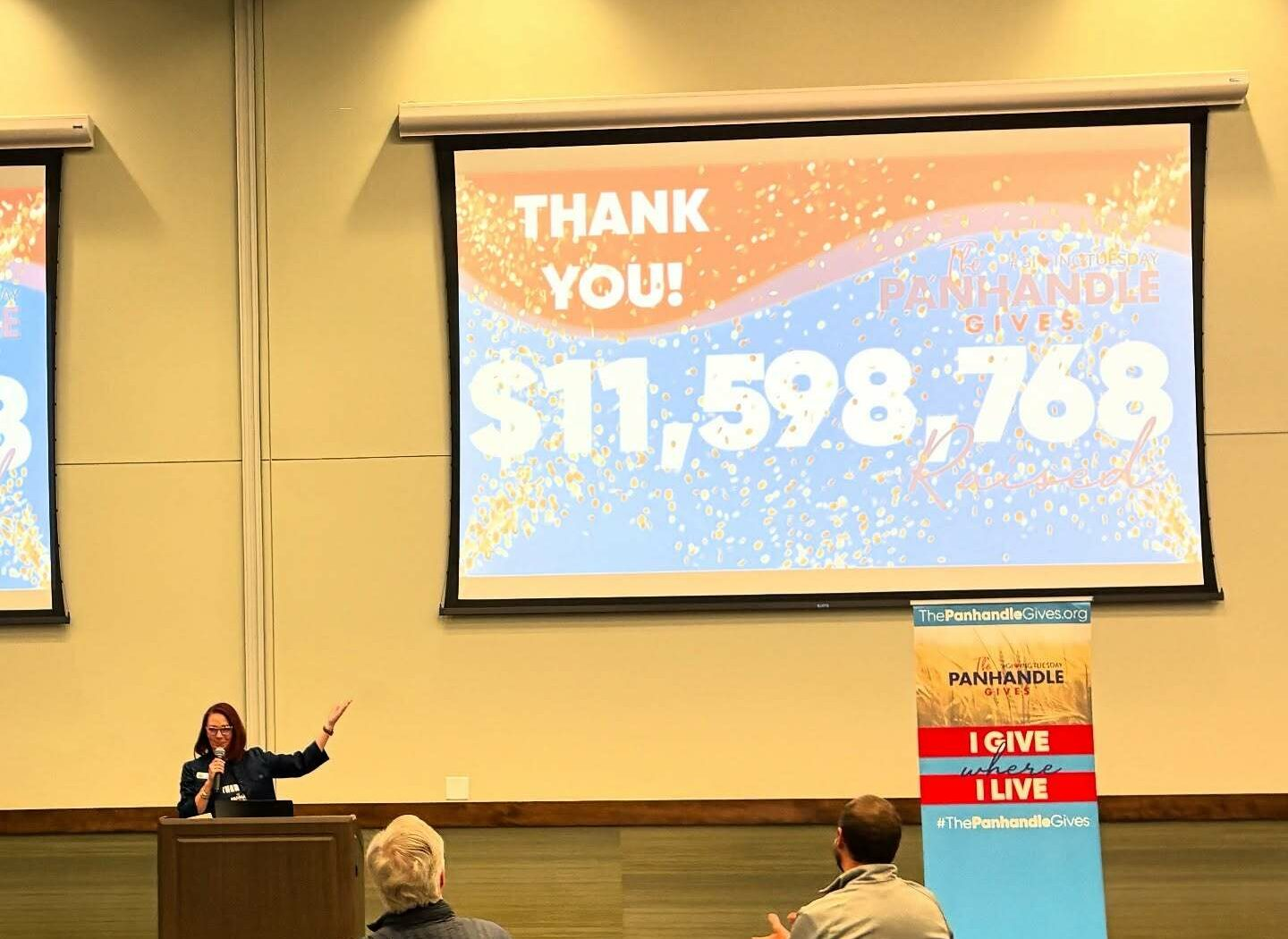
For example, The Panhandle Gives, organized by the Amarillo Area Foundation in Texas, raised over $11.6 million for nonprofits across 25 counties in 2024, with local partners contributing matching funds to support participating organizations. The campaign demonstrates how GivingTuesday can also serve as a starting point for a much wider, community-led fundraising effort.
Although campaigns are independently managed, organizations have access to resources from GivingTuesday. Its website offers free campaign planning guides, messaging templates, social media graphics, toolkits, and workbooks. Giving Tuesday's own Resource Exchange brings together research and fundraising resources from across the nonprofit sector, while its participation programme offers webinars, expert sessions, and practical guidance on partnerships, communications, digital fundraising, and community engagement.
Supporters also help campaigns reach beyond an organisation's existing network. They can donate, volunteer, or start peer-to-peer fundraisers by inviting friends, family, and colleagues to contribute. Organizations use their websites and fundraising platforms to collect donations, while email, social media, and the #GivingTuesday hashtag helps circulate appeals and campaign updates. These platforms operate independently of GivingTuesday, and their usual transaction or service fees may apply.
Giving Tuesday creates a shared moment for charitable giving at a time when much of the public conversation is focused on holiday shopping. For nonprofits and other organizations, this brings their causes into a wider conversation and allows them to reach new supporters, reconnect with existing donors, and draw attention to needs that might otherwise receive less visibility.

The fundraising figures show how much this collective effort has grown. In 2025, an estimated $4 billion was donated in the United States on Giving Tuesday, a reported 13% increase over 2024. The number of participants also rose from 36.1 million in 2024 to 38.1 million in 2025. Of those participating in 2025, 19.1 million made financial contributions, 13.5 million donated goods, 11.1 million volunteered, and 20.9 million spoke out about causes they supported. Since its launch in 2012, Giving Tuesday donations in the US have reached an estimated cumulative total of $22.5 billion.
The movement's reach is also reflected in its international network. GivingTuesday now has 111 national movements and more than 400 community networks around the world. Its influence extends beyond the annual fundraising figures, particularly in places where local organizations use the day to bring attention to community needs and encourage people to support causes in their own regions.
For fundraising organizations, Giving Tuesday can also introduce new donors. A joint report by the Blackbaud Institute and GivingTuesday found that 16% of Giving Tuesday donors made their first gift to an organisation on the day. Younger donors are another important part of the movement's future. In 2024, Gen Z accounted for 7% of first-time donors on Giving Tuesday, according to the Blackbaud Institute and GivingTuesday report. Their median Giving Tuesday gift was $50, double the 2019 figure. While Gen Z currently represents a smaller share of donors, these figures show that younger supporters are beginning to build relationships with charitable organizations throughout the day.
Giving Tuesday gives people a shared reason to support causes, brings organizations and communities into the same conversation, and creates opportunities to turn one-time participation into lasting involvement.
Giving Tuesday brings together groups that may have different priorities but share an interest in supporting causes and communities. The way they participate often reflects the people they serve, the resources they have, and the kind of contribution they can make.
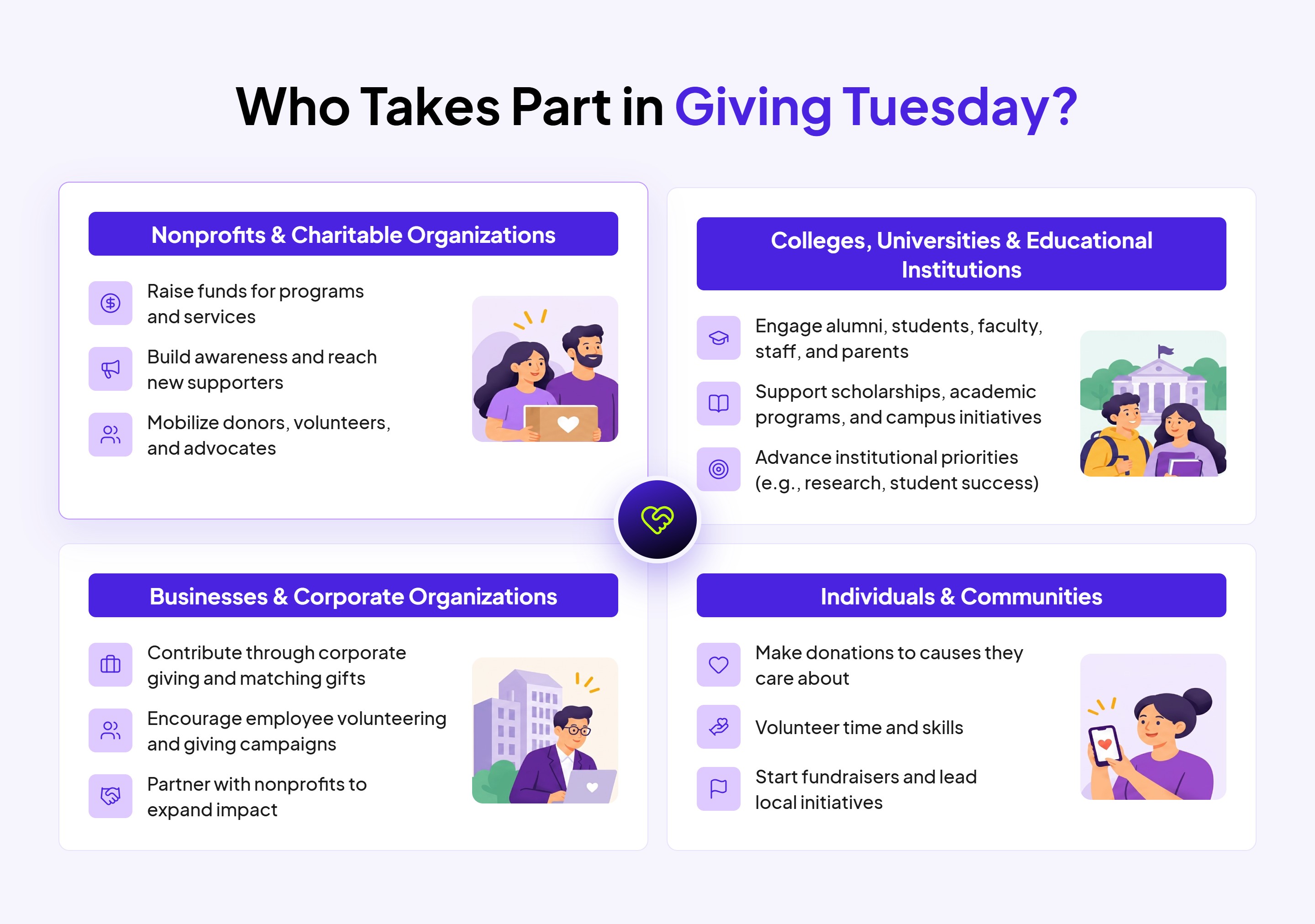
Based on institution type, the objectives could vary:
While a Giving Tuesday campaign may run just for a day, the work behind it starts much earlier. Fundraising teams need time to settle on a campaign goal, decide which cause or institutional priority to highlight, prepare their communications, and get everyone involved on the same page. Leaving these decisions until the last minute can make the actual campaign harder to manage.
Here are the steps you can follow to plan and manage your Giving Tuesday campaign better:
Before deciding on the campaign theme or preparing fundraising appeals, agree on what you want the campaign to achieve. Raising a specific amount may be the main objective, but Giving Tuesday can also help bring back lapsed donors, introduce new supporters to your organisation, or increase participation among an existing community.
Start by identifying one primary goal and a few supporting targets. Depending on your campaign, these could include:
Make sure these goals fit into your institution's wider fundraising plans. If your annual giving program is focused on financial aid, for instance, Giving Tuesday could be an opportunity to bring more attention and donor support to that priority.
Before drafting your campaign messages, decide who you want to reach. Your audience may include existing donors, past supporters, volunteers, employees, corporate partners, or people who are new to your cause. Segmenting these groups helps you move away from a single, generic appeal and speak to what matters to each one.
For educational institutions, the audience may also include alumni, parents, students, faculty, and staff. The message should reflect the relationship each group has with the institution.
Think about what each audience needs to hear:
You need to choose the campaign format based on your goal, audience, budget, and the time your team can commit. A straightforward donation page may be enough for a focused fundraising appeal. If you want to bring more people into the effort, you could consider crowdfunding or peer-to-peer fundraising, where supporters help raise funds through their own networks. Matching gifts and giving challenges can also encourage participation by giving donors a shared target to work towards.
You can also build the campaign around creative themes, story-led campaigns, community events, and behind-the-scenes content that offer different ways to bring your cause to life.
Looking for inspiration for your next campaign? Explore our blog on 10 Fresh Ideas for Your Next Giving Tuesday Campaign, featuring creative approaches in real life examples!
Once you've settled on the format, look at the fundraising platform you'll use to run it. A few things worth checking before you make a choice:
The platform should fit the way your organisation works. If you're running multiple appeals or involving different groups of supporters, check that it can handle those needs without making campaign management more complicated.
A successful Giving Tuesday campaign needs planning well before the day itself. Work backwards from the campaign date and give your team enough time to prepare the fundraising page, communications, creative assets, and day-of activities.
A simple timeline could look like this:
Once your campaign is ready, plan how you'll get the word out. Use a mix of channels to reach supporters where they already engage.
Including beneficiary experiences, donor testimonials, or examples of what the funds will support gives people a reason to pay attention to your messages. Make sure to pair these with a clear call to action so people know how to contribute.
Plan your communications across the weeks leading up to Giving Tuesday and the day itself. Space out announcements, reminders, and campaign updates so supporters hear from you at the right moments without receiving the same appeal repeatedly.
Give supporters a sense of how the campaign is progressing. Share how much has been raised, how many people have contributed, and whether the campaign is on track to meet its goal. If you're running a matching gift campaign or a giving challenge, update supporters on the progress and let them know when there's still an opportunity to have their contribution matched.
Remember to acknowledge the people making the campaign possible. Thank donors, recognise volunteers, and highlight peer-to-peer fundraisers who are reaching out to their networks. Invite supporters to share updates and encourage others to join in. This keeps the conversation going and helps the campaign reach beyond your organisation's own channels.
To assess how well the campaign is performing, monitor a few key metrics throughout the day. These include:
Compare these results with the targets set before launch. For instance, high donor participation alongside a lower-than-expected fundraising total could indicate that the average gift size needs attention. This comparison will help identify which parts of the campaign performed as expected and which need a different approach next time.
The campaign may be over, but the communication with supporters shouldn't stop there. A timely follow-up gives donors a sense of what their support helped accomplish and gives your organisation a starting point for building those relationships beyond a single campaign. Here’s what you can do:
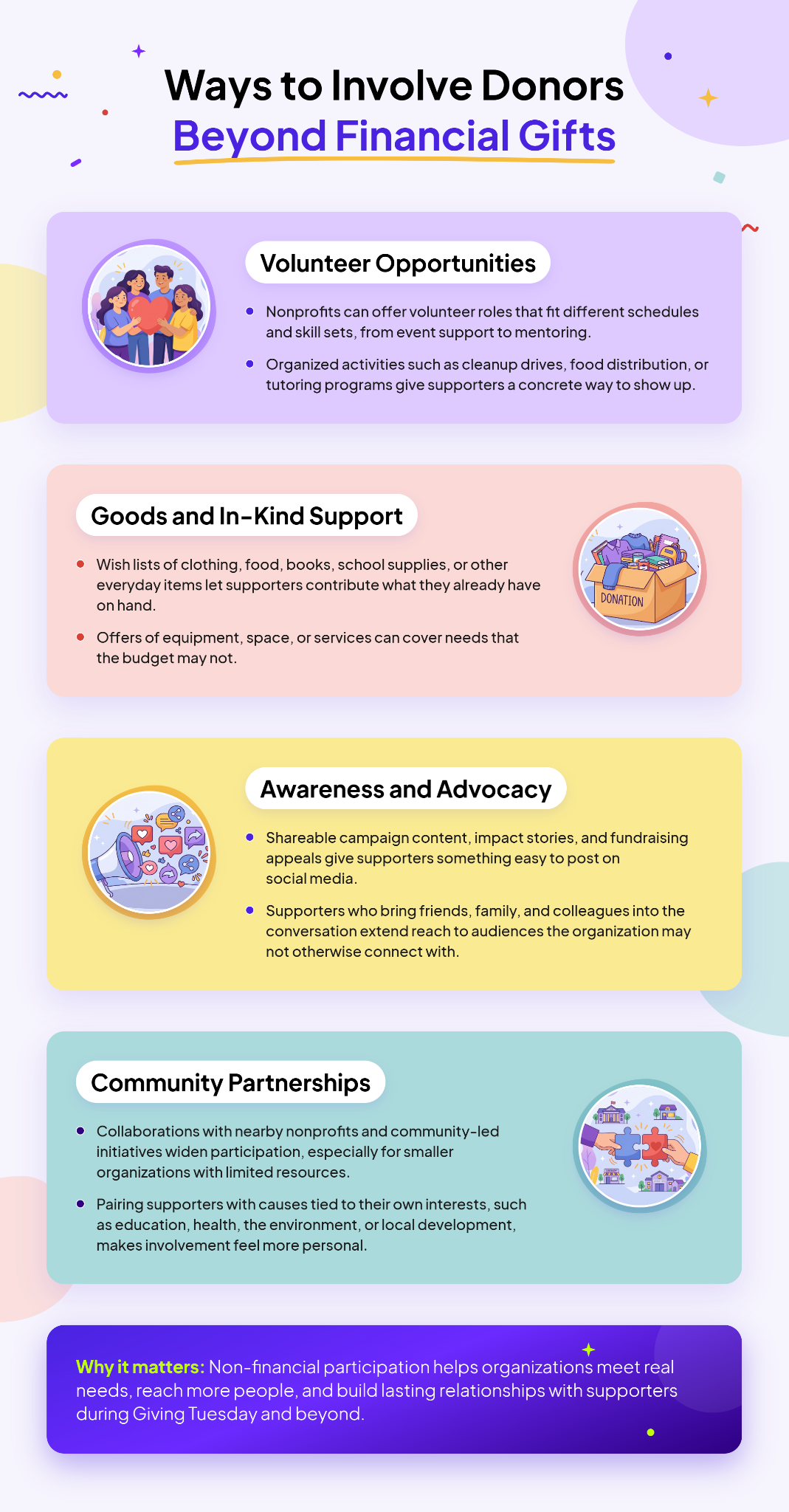
Giving Tuesday offers organizations an opportunity to involve people who may not always participate in traditional fundraising. It recognises that people who cannot contribute financially can still offer their time, skills, resources, or support to a cause. Making room for these contributions allows organizations to involve a wider group of supporters and gives people more ways to take part in causes they care about.
Organizations may need volunteers to help run events, sort and distribute donated goods, create campaign materials, or manage outreach. They may also welcome professional skills, such as design and communications, and help connecting with local businesses, donors, and other community groups. It reinforces the idea that there is a place for everyone in the movement, regardless of what they can give.
A Giving Tuesday campaign can involve several causes, different groups of supporters, and hundreds of individual funds. The challenge is making it easy for people to find what they care about while giving your team a clear view of the campaign. Almabase's online giving platform is built to support these kinds of campaigns.
If your organization is raising money for several causes, donors need an easy way to find the fund they want to support. Almabase's no-code builder lets you create customized giving pages and campaign hubs that reflect your organisation's identity while grouping funds by department, programme, or initiative. Donors can browse these groups, choose the causes they care about, and even split a single gift across multiple funds in one transaction.
Almabase’s giving day platform supports matching gifts, participation, and time-based challenges, with live thermometers and leaderboards that update as gifts come in. Your team doesn't have to manually calculate challenge progress or update the campaign page.
A Giving Tuesday campaign needs consistent communication before, during, and after the campaign. Almabase supports email, SMS, and video outreach, with audience segmentation and personalized giving links to tailor messages to donors. Emily AI can also help draft appeal copy, subject lines, and follow-up emails using information from your giving page, which your team can review and edit before sending.
For teams managing multiple campaigns and donor segments, Almabase's fundraising marketing platform, Beacon can also help automate campaign journeys and understand which communications are driving engagement and donations.
When a campaign has multiple funds and challenges, your team needs to know where the gifts are going and whether the targets are being met. Real-time campaign updates, thermometers, and leaderboards make it easier to follow participation while the campaign is live. After Giving Tuesday, TrueSync automatically syncs gifts, pledges, and updates with your connected CRM using rules your team controls. This gives your teams a starting point for donor follow-up and future campaigns.
One of the best things about Giving Tuesday is that it has no single owner. It belongs to everyone who chooses to take part. For most organizations, the opportunity goes beyond the day itself. A well-planned campaign can attract new donors, bring existing supporters closer to the cause, and build momentum for year-end fundraising. Use the interest generated on Giving Tuesday to keep supporters involved and encourage them to stay connected with your work throughout the year.
That calls for a fundraising platform that can support creating giving pages and managing campaign activity, communicating with donors, and keeping their records up to date. As you prepare for your next campaign, consider how the right fundraising tool can make your team’s work easier. Wondering how Almabase can support your Giving Tuesday and year-end fundraising efforts? Book a personalized demo to learn more!
Giving Tuesday 2026 falls on December 1. The annual event takes place on the Tuesday after Thanksgiving in the United States, with the date changing each year.
No. Nonprofits, schools, universities, businesses, religious organizations, community groups, and individuals can all participate. Giving can take many forms, including donations, volunteering, sharing skills, and supporting a cause.
It depends on the organisation receiving the donation and the tax laws that apply to the donor. In the United States, donations to IRS-qualified charitable organizations may be tax-deductible, subject to applicable rules and limits.
Colleges and universities can participate by running fundraising campaigns for specific institutional priorities, such as scholarships, financial aid, or research. They can also involve alumni through giving challenges, matching gifts, and class-based fundraising campaigns, while encouraging students, faculty, and staff to take part.
Small nonprofits can use Giving Tuesday to bring attention to a specific cause, reach potential donors, and reconnect with existing supporters. Partnering with local businesses, community groups, or other nonprofits can help them reach a wider audience without needing a large fundraising budget.
Giving Tuesday generates more than $3 billion in donations in the U.S. each year. According to GivingTuesday estimates, donations reached $3.1 billion in both 2022 and 2023, $3.6 billion in 2024, and $4 billion in 2025, averaging approximately $3.45 billion annually over the four years.
Giving Tuesday is a single-day, global campaign that creates a concentrated moment for donor participation, often to attract new donors or rally supporters around a shared goal. Year-end giving is a broader period running through December, when organizations make final appeals tied to institutional priorities and annual contributions. Giving Tuesday momentum can feed directly into those year-end appeals.
Subscribe
See how modern advancement teams bring alumni engagement and fundraising together.
Plan faster. Execute better
Explore free templates designed for alumni and fundraising teams.


Sharada Koti
Giving Tuesday is about more than reaching a fundraising goal. Fundamentally, it’s also a chance to strengthen relationships with the people who support your mission. A more engaging message, a new way to participate, or a clearer picture of your impact can help make the day more meaningful for donors.
Improving your campaign doesn't always mean spending more or taking on a bigger project. It starts with understanding what your organization can do well and finding ways to make the experience more meaningful for donors. There’s always room to rethink your Giving Tuesday campaign and find new ways to engage donors while working toward your fundraising goals. Here are some ideas to bring a fresh perspective to your campaign and make the most of the day.
Every year, Giving Tuesday brings together people who want to support good causes, and many organizations use the day to reach out to donors and raise funds. Here are a few things the successful ones have in common:
Giving Tuesday campaign ideas can go in all kinds of directions based on your institutional goals. Some ideas need little more than a good story and a few helping hands, while others call for a bigger budget or a team effort. We’ve put together a mix of ideas keeping creativity, available resources, budget, and team capacity in mind, so you can find an approach that works for your organization.
Storytelling gives people something specific to connect with. You can build a whole Giving Tuesday campaign around one story, bring together different voices, or let people tell their own stories through photos and videos. There’s plenty of room to experiment with the format and the stories you choose to tell.
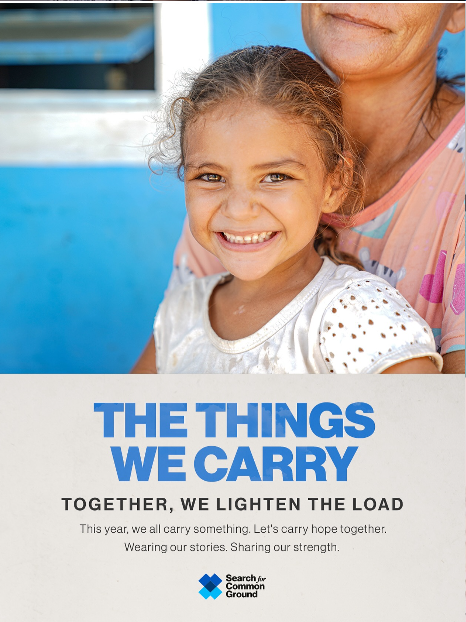
Search for Common Ground took an interesting approach with their 2024 Giving Tuesday campaign, The Things We Carry. During a program trip to Mexico, Search for Common Ground met Adolfo, a Venezuelan man who had fled violence carrying a boom box and microphone, reminders of his love of singing and the identity he held on to. His story inspired The Things We Carry, a campaign built around the question of what people carry with them through difficult times.
The team shared stories of people affected by conflict, invited supporters to share their own experiences online, and brought the theme into communities through Love Anyway Feasts, where people gathered for meals and guided conversations. The response went beyond donations, with people across different backgrounds sharing experiences of loss, struggle, hope, and resilience. The strength of this approach lay in how one real story gave the whole campaign a clear direction.
To adapt this idea, choose a question that links your mission to something people experience in their own lives. Invite beneficiaries and supporters to answer it through short videos, written stories, or community gatherings, then share these stories across your campaign channels to show how individual experiences connect to your cause.
Art can be a great starting point for a Giving Tuesday campaign. You can play around with the format, involve people in the creative process, or build the campaign around something that makes your organization unique. North Country School and Camp Treetops took this idea in a wonderfully unexpected direction with Chickens Take Hollywood, their 2025 Giving Tuesday campaign.
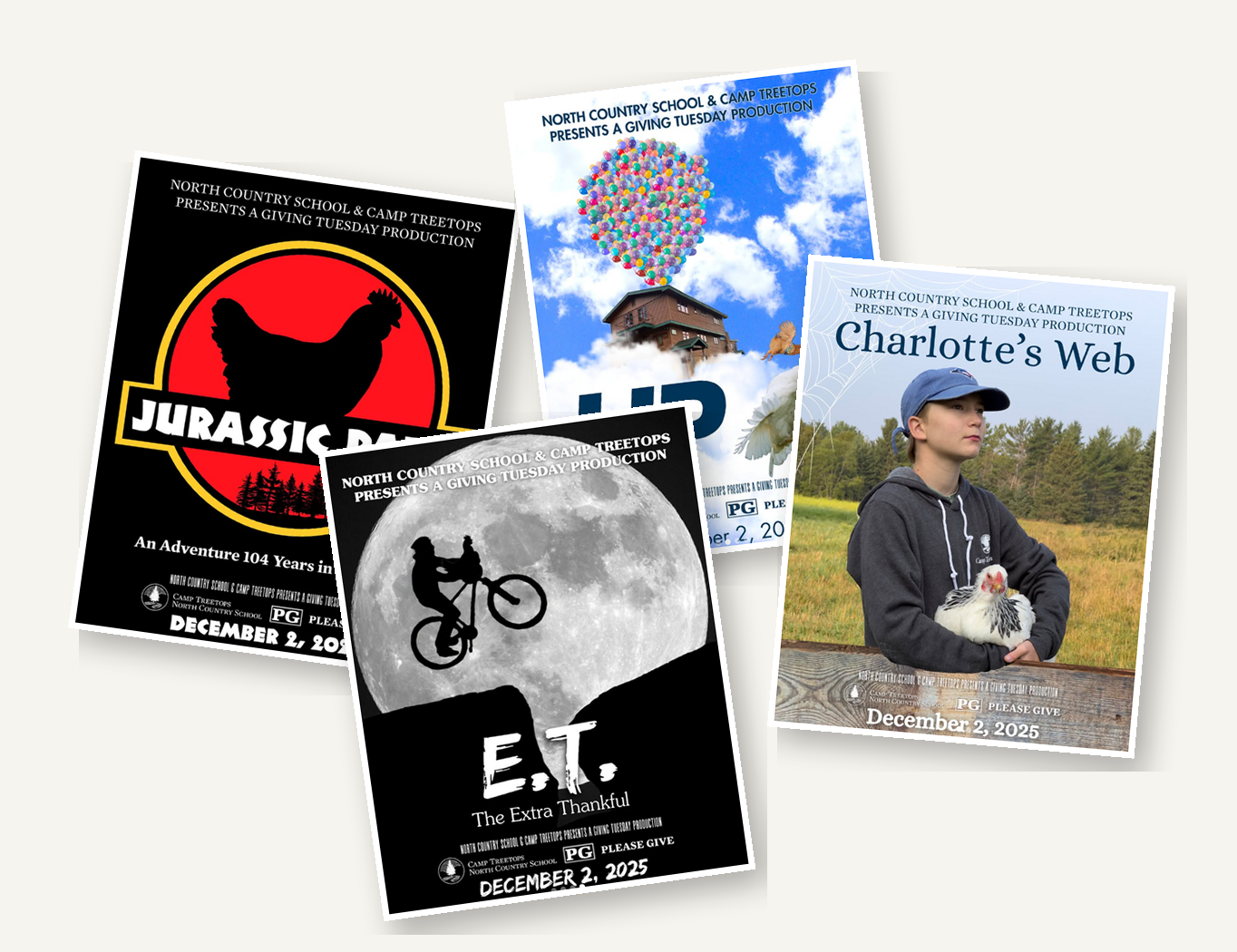
The school turned its campus chickens into movie stars, creating parodies inspired by Jurassic Park, E.T., Up, and Charlotte’s Web, with students helping bring the films to life. Supporters could donate to “greenlight” the productions. It was a playful nod to campus life that gave the community something exciting to rally around.
The detail that made this campaign especially fun is that for every gift received, the organization donated one dozen eggs from the campus farm to a local food pantry. For its creativity and cost-effective execution and for showing how a campaign rooted in a school's own character can stand out in a crowded Giving Tuesday field, the campaign went on to win a Bronze award in the 2026 CASE Circle of Excellence Awards.
What this campaign did best was draw from the school's own identity and build an entire campaign around it. It's always fun to look outside for inspiration, but sometimes, the best way to think outside the box is to look within it. Your organization's culture, traditions, and quirks might be all the inspiration you need.
Giving Tuesday can bring people together in ways that go beyond making a donation. You could kick off the day with a campus gathering, invite alumni to meet up in their cities, and end with an event that celebrates everyone who contributed. Giving supporters different ways to join in turns the campaign into a shared effort, even for people who can't be there in person.

Arcadia University found a way to make Giving Tuesday feel like a celebration, bringing its campus community together for a closing ceremony. It began with a campus breakfast on December 2, included alumni pop-up gatherings in Philadelphia and Washington, D.C., and ended with a livestreamed Thank-a-Thon on December 3. At the Thank-a-Thon, students, faculty, staff, and alumni wrote handwritten notes to donors, enjoyed student performances, and gathered to hear the final fundraising total. Along the way, participation challenges and additional gifts from the Board of Trustees encouraged different groups across the university to take part. The campaign raised $1,523,328 from 645 donors, beating its $1 million goal. The campaign brought these elements together over 1,853 minutes, a nod to the year the university was founded.
You can adapt the idea to your audience by combining donations with storytelling, community events, and opportunities for supporters to get involved. You can also scale the lineup to fit your own community, whether that means one virtual kickoff and a thank-you event or several activities across the day.
Your Giving Tuesday graphics can do more than make emails and donation pages look good. Add elements that invite supporters to take part, such as animated visuals, clickable giving options, or a progress tracker that updates as donations come in. Small interactions can make the giving experience more engaging and give people a reason to stay involved.
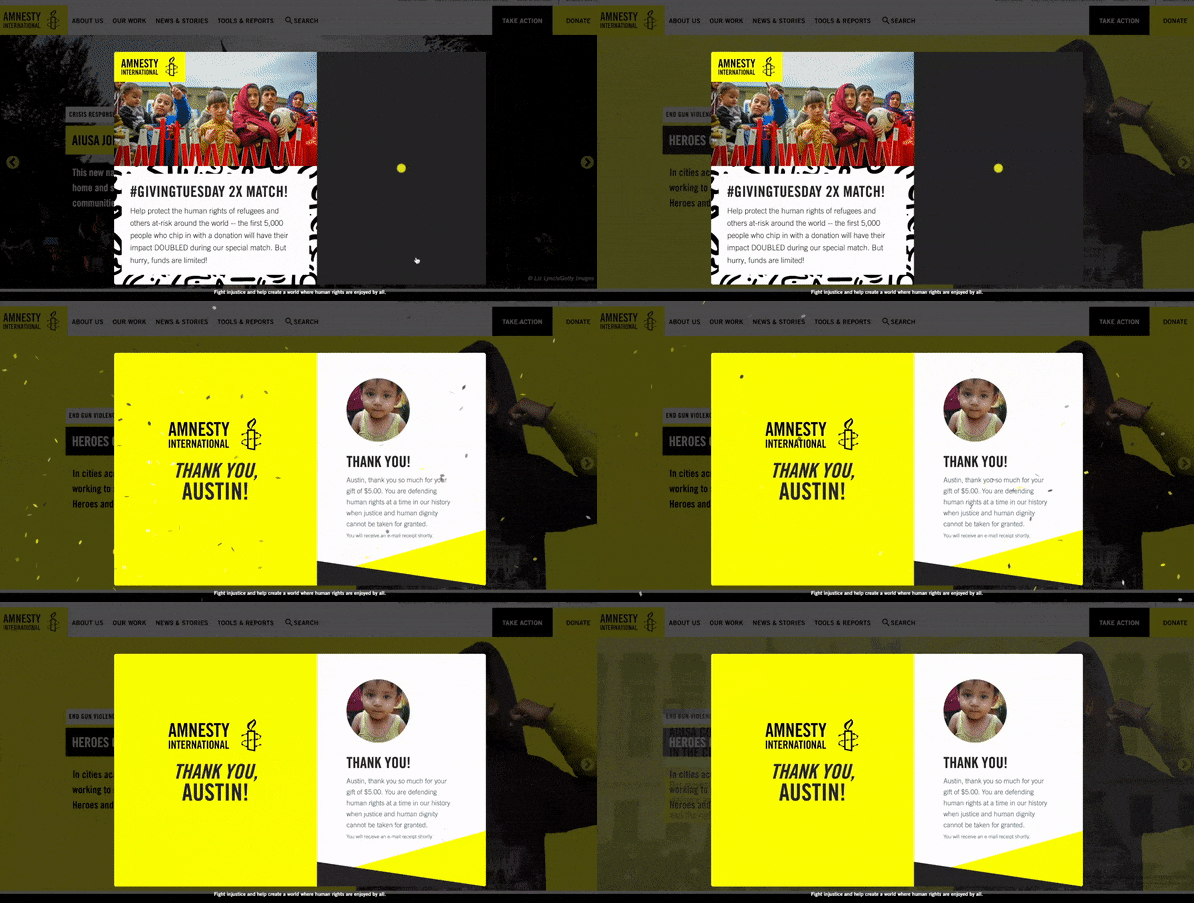
Amnesty International USA tried this with its Giving Tuesday donation form, adding an animated burst of confetti each time someone made a donation. The playful touch celebrated each gift and made the moment of giving feel more personal. The form also had a custom design that allowed the team to edit its content as needed.
You could try a similar approach with an animated thank-you, a graphic that reveals the impact of different donation amounts, or a progress bar showing how close your campaign is to its goal. Choose an element that fits your campaign and gives supporters something meaningful to engage with.
Your Giving Tuesday awareness campaigns need something to hold people's attention until they reach your donation page. Email and social media are often the first places organizations turn to when building momentum for the event. But posters, flyers, creative mailers, stickers, and even small branded items can help bring your cause to life. Physical campaign materials have been around for a long time, and a clever booklet or poster that makes people stop and take notice still holds a lot of value.
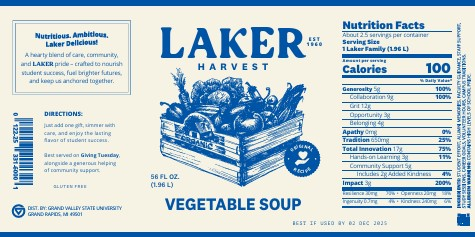
Grand Valley State University put its own spin on this classic approach for its Giving Tuesday 2025. The university sent out postcards that looked like soup can labels to promote its campus food pantry. The labels used playful wording to highlight the Replenish Student Food Resource Fund, which helps address student food insecurity. The postcards went out in the weeks leading up to Giving Tuesday, encouraging recipients to plan their gifts early while raising awareness of student food insecurity.
The university won a Silver CASE Circle of Excellence Award in 2026 for the campaign in the Marketing: Advertising (Direct Mail) category.
The clever part was how the physical format reinforced the cause. A soup-can design made the food pantry connection immediate, while the university-specific details gave the postcard a sense of identity and school spirit. You can use the same thinking for your own campaign by finding a physical format that connects naturally to the issue, then use its design to get people curious about the work you're asking them to support.
Behind-the-scenes content can give donors a better sense of what it takes to do the work they support. For Giving Tuesday, you can bring that work into the campaign itself, using live streams, short videos, or staff-led walkthroughs to show what happens beyond the usual updates and impact stories.
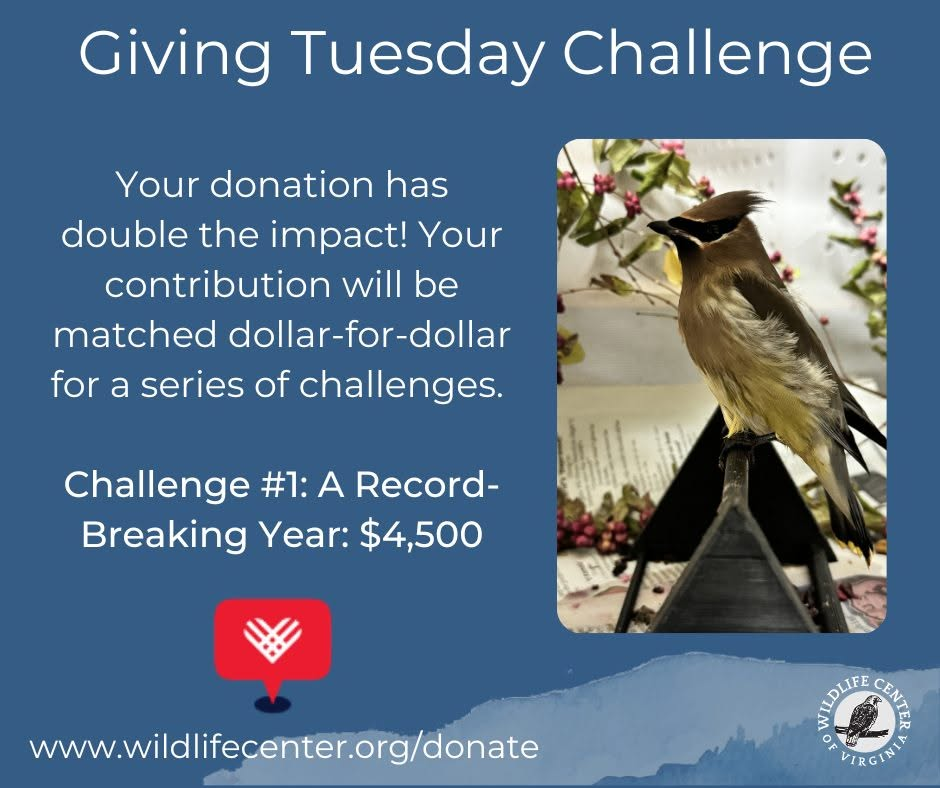
The Wildlife Center of Virginia did this with its 2024 Giving Tuesday campaign. It livestreamed its veterinary team treating wildlife patients through its Hospital Cam, with staff explaining the procedures and answering viewers' questions in real time. Alongside the broadcast, the center ran matching challenges tied to patient care, medical equipment, and new raptor flight pens. Supporters could watch the work, see the needs, and make a gift while the campaign was underway.
The timing is what makes this idea interesting. You could livestream a classroom activity, a hospital team's workday, or a food bank preparing deliveries while your Giving Tuesday campaign is underway. Additionally, having a team member respond to questions during the stream can help viewers feel involved and give them a closer look at your organization’s work. That way, people can see the work, understand the need, and donate while it's right in front of them.
Alumni, board members, parents, and longtime supporters could have networks your organization can't reach on its own. Getting them involved in Giving Tuesday can help bring in new donors and give your campaign a wider reach. But volunteers don't have to be fundraisers to make a difference. If you've relied on them to run events or support programs throughout the year, you can bring them into your Giving Tuesday plans, too.
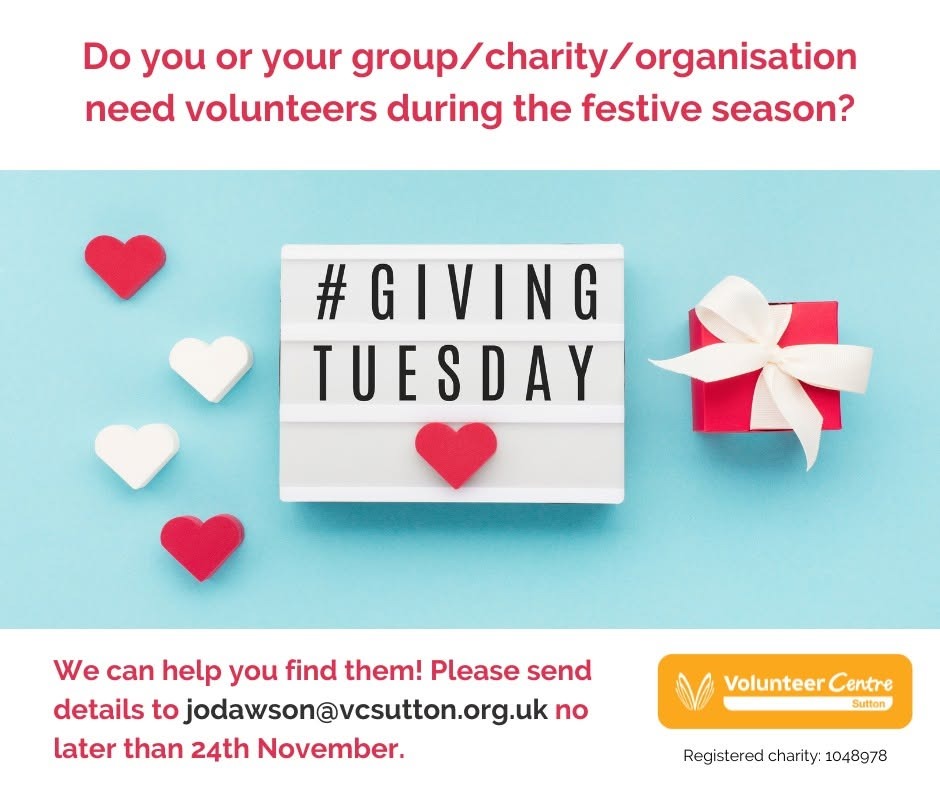
Volunteer Centre Sutton in the UK took exactly this approach for Giving Tuesday. Instead of focusing on fundraising, it used the day to promote volunteering and followed up with a volunteering advent calendar in the run-up to Christmas. Each day featured a new opportunity from a local organization like helping at a Christmas dinner for young people who had left care, gift-wrapping and fundraising for a mobility charity. One Facebook post reached more than 3,000 people, and newsletter subscriptions grew by 26%.
Sutton’s campaign shows how Giving Tuesday can spotlight volunteers and the difference they make in their communities. You could use the day to recruit new volunteers, recognize those who already give their time, or connect supporters with local organizations that need help. A volunteer-focused campaign gives people a chance to contribute their time and skills to a cause they care about. Sometimes, the most meaningful ask you can make is for someone's time.
Some organizations have a natural community of people who care about the same cause. Giving Tuesday is an opportunity to bring those people together and channel that support into a collective effort. For example, a nonprofit could invite families, friends, colleagues, and neighbors to rally around someone facing a medical crisis, with each person helping spread the word or contribute to their fundraising campaign.
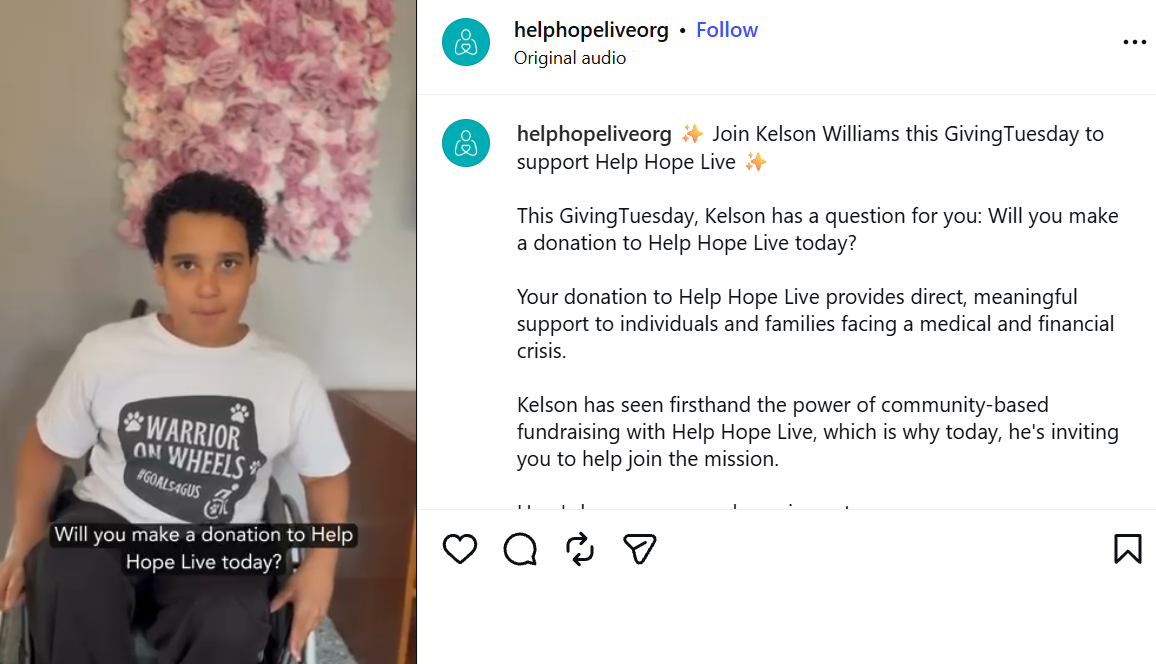
Help Hope Live, which supports people facing unmet medical expenses, takes this approach through its community-based fundraising model. For Giving Tuesday 2025, it helped clients reach their networks with customized campaign materials, including flyers and social media graphics, alongside guidance on email outreach. It also introduced a special incentive for the day: the nonprofit covered credit card processing fees on online donations made in honor of its clients. Together, these efforts helped generate 889 donations and $252,376 in total giving, an 18% increase in funds raised compared with 2024.
What made this approach worth borrowing was how the campaign equipped each client to bring their own community into the effort. The fee waiver added a memorable detail, but the campaign itself gave people a shared reason to show up and support someone who needed their help.
A wishlist fundraiser gives supporters a practical way to meet specific needs. Rather than asking everyone to make a general donation, you can share a list of items your organization needs and let people choose what they would like to contribute. This works particularly well for schools, shelters, food banks, and community organizations, where supporters can see exactly what their gifts will provide.

Communities In Schools of Tennessee used this approach for its 2025 Giving Tuesday campaign. The organization created a digital Christmas tree, with each ornament linking to an Amazon wishlist for a participating school. The lists included winter coats, hats, scarves, shoes, snacks, hygiene products, and toys for students. Items purchased through the lists were sent to program managers to distribute to students.
The campaign is a useful example of making a wishlist more engaging by turning it into an interactive experience. Supporters could browse the tree, choose a school, and select items that met students' needs.
A Giving Tuesday campaign can take on a life of its own when you give people different ways to experience it. A short video, a photo series, or even a text message can each reveal a different side of the cause you're raising money for. You can mix these formats across your emails, social media, and donation page to keep the campaign fresh throughout the day.
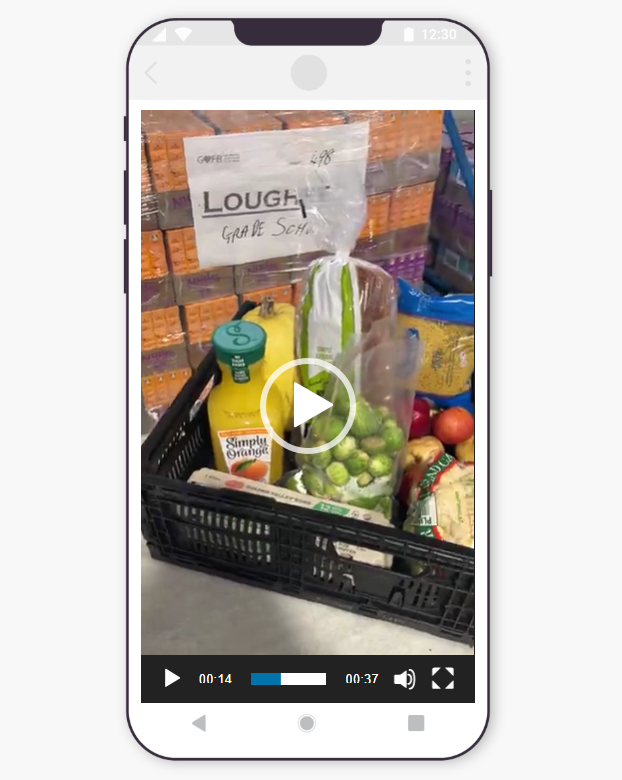
The Greater Vancouver Food Bank's 2024 Giving Tuesday campaign is a good example of how this can work. The organization used a mix of email, SMS, social media, paid media, and direct mail, with content that gave supporters a closer look at its work. One pre-campaign message featured Alain, a frontline staff member, giving people a glimpse of the work behind the food bank's services. The campaign also tested a photo against a short video, with the photo generating the stronger response. The food bank raised more than $196,000 before Giving Tuesday. Its Giving Tuesday SMS appeals brought in a further $633,691 from 1,896 gifts.
This campaign shows you can use multimedia in all sorts of ways, even if you don't have the budget to produce a polished video. A few good photographs, a short clip recorded by a volunteer, SMS, or graphics that show how close you're getting to your goal can give supporters something to engage with beyond the donation ask.
If you’re looking for more ways to put these ideas into practice, the table below offers a few additional approaches to consider. Use them to find an idea that fits your campaign goals, audience, and available resources.
A Giving Tuesday platform can help with everything from collecting donations to managing multiple appeals and tracking results. The right choice depends on what your campaign needs, whether that's a simple donation page or tools to manage outreach, challenges, and donor data in one place. While some tools focus on individual tasks, Almabase brings these activities together in one place, making it easier to manage your campaign without switching between platforms.
If you're running a scholarship drive alongside a faculty giving appeal or a patient support fund, each needs its own message and donation destination. Managing them together also lets your team see how the different appeals contribute to the overall goal.
Almabase's giving page builder lets you create branded pages and organize funds within a campaign. You can give each appeal a clear destination while keeping the broader effort connected.
When you're running a matching challenge or several fundraising goals at once, your team needs a clear view of progress. Without regular updates, it's harder to know which appeals are gaining traction and where another push might help.
Almabase's giving day platform offers live leaderboards, fundraising thermometers, and challenge features to display progress as gifts come in. Your team can use these updates to communicate milestones and keep supporters informed throughout the day.
A Giving Tuesday email is only one part of the campaign. You'll likely need reminders, last-call appeals, messages for specific donor groups, and content that alumni ambassadors or volunteers can share. Planning these communications around your audiences helps you avoid sending the same appeal to everyone.
Almabase supports segmented email and SMS outreach, along with personalized giving links. Emily AI can help draft campaign messages and subject lines, which your team can then tailor to each audience and stage of the campaign.
After Giving Tuesday, you'll need to reconcile donations, acknowledge donors, and review results across funds and appeals. If your team has to export and match records manually, post-campaign reporting and follow-up can take longer.
Almabase's TrueSync integration helps sync gift and constituent data with supported advancement CRMs, including Raiser’s Edge NXT. Your team can spend less time transferring records and more time reviewing results and following up with donors.
Looking for a platform that can support your fundraising efforts? Check out our blog that compares Giving Tuesday platforms.
Giving Tuesday can put pressure on fundraising teams to do something bigger every year. But before adding another event or campaign feature to the calendar, look at where your current approach might be improved. Perhaps donors need a clearer reason to give, your appeals could reach more specific audiences, or your team needs a better way to track gifts and follow up with supporters.
Choose one or two changes you can execute well, set a way to measure whether they worked, and document what you learn. These insights give your team a useful starting point for next year’s campaign, so that each year is better than the last. Over time, those improvements can help you build a Giving Tuesday program that fits your organization and earns a lasting place in your fundraising calendar.
Wondering how Almabase can help you execute your Giving Tuesday campaign? Book a personalized demo to learn more!

10 Fresh Ideas for Your Next Giving Tuesday Campaign
Lorem ipsum dolor sit amet, consectetur adipiscing elit. Suspendisse varius enim in eros elementum tristique. Duis cursus, mi quis viverra ornare, eros dolor interdum nulla, ut commodo diam libero vitae erat. Aenean faucibus nibh et justo cursus id rutrum lorem imperdiet. Nunc ut sem vitae risus tristique posuere.
Sharada Koti
October 29, 2025
12 minutes
What started in 2012 as a small social media campaign has grown into a global giving phenomenon that now inspires millions across 90+ countries to support the causes they love, all in just 24 hours. This brings us to the point of this blog. The fundraising platform you choose to build your Giving Tuesday events and fundraisers on can make or break your annual experience drastically.
We’ve curated a handful of platforms designed for education-focused teams to do more with less, so you can spend time building relationships, not battling technology.
Here’s a closer look at some platforms that can help your institution raise more and engage better for this year’s Giving Tuesday and beyond. Let’s get started:

Almabase often comes up first when education teams want a platform that balances rich tools with actual ease. It is purpose-built for advancement, blending fundraising, alumni engagement, and events into one modular platform. It shines when teams want depth, data, and scalability with the support of a dedicated team. Here’s how it stacks up-
Advancement teams that want a long-term, comprehensive platform to integrate fundraising with a strategic alumni engagement and community-building effort.
Almabase offers pricing based on your needs and the size of your alumni and donor base that you want to engage with. You can book a personalized demo and get a quote here.

Givebutter is known for its modern, donor-friendly design and transparent pricing. It combines crowdfunding, peer-to-peer fundraising, and event ticketing in one platform. Here’s how it stacks up –
Schools, nonprofits, and small teams wanting an easy-to-launch Giving Tuesday campaign platform with built-in social tools and no upfront software cost.
It operates on a 100% transparent tip-or-fee model, meaning it's free to use with a voluntary tipping system. Organizations can choose to cover the platform fee themselves or let donors cover it with an optional tip.

Donorbox is a platform known for its focus on providing a secure, reliable, and conversion-optimized donation experience through its simple, yet powerful, features. It is designed for nonprofits of all sizes, including schools and universities with diverse fundraising needs.
Mid-sized to large schools and universities that need a reliable, cost-effective, and conversion-optimized tool to run a Giving Tuesday campaign, especially for direct online appeals and recurring giving.
Donorbox offers a free standard plan, a pro plan at $150/month, and a premium plan with custom pricing.

Givecampus is a fundraising platform for educational institutions, empowering fundraisers at every stage of the fundraising lifecycle. Its core value proposition is its deep understanding of and specialization in the unique needs of schools and universities, from online giving days to volunteer management.
Key Features
Large, established colleges and universities with a strategic focus on alumni engagement and a dedicated advancement team that can leverage its enterprise-grade features for a high-impact Giving Tuesday.
GIveCampus has three platform plans: Essentials, Professional and Enterprise. On top of this, your price will vary depending on the modules you need.

Bonterra, formerly a suite of tools including EveryAction, is a comprehensive, enterprise-grade solution that has garnered a reputation as a robust fundraising platform for larger nonprofit organizations with complex needs. It aims to provide a single, unified solution for fundraising and donor engagement.
Large universities and institutions that need a long-term, comprehensive CRM and fundraising solution, and for whom Giving Tuesday is a part of a larger, integrated annual giving strategy.
Tailored to the organization's unique needs, with pricing based on size, complexity, and features.

Onecause is a fundraising platform with a particular focus on events, auctions and peer-to-peer campaigns. It is designed to help organizations streamline the guest experience and run successful events.
Educational institutions with a Giving Tuesday strategy built around a live or virtual event, auction, or other high-energy initiative.
Onecause has different pricing plans based on which features you need to use between fundraising and text-to-give, auction and events, and peer-to-peer fundraising.
Maybe you just need a simple crowdfunding platform this year to complement an event you are already planning with another tool, or you just want to use an easy-to-set-up fundraising page with names that have become synonymous with raising money for causes. If that’s what you’re looking for, here are some of the popular ones to choose from:
…and more depending on your institution’s geographic location.
Not every platform is built with education teams in mind, and choosing wrong can cost you both time and momentum. With so many options, the right fit depends on what your team actually needs, not just flashy features. So, while deciding, keep these factors in mind:
Want a deeper breakdown of these essentials? Take a look at our guide on giving day platform features every institution should consider.
The right Giving Tuesday platform should lighten your team’s load while helping you hit ambitious goals. The platforms we’ve covered are built with education teams in mind; it’s just a matter of matching your goals, team size, and budget to the right solution. Once done, you’ll set yourself up for more than just a one-day win.

6 Great Giving Tuesday Platforms for Schools & Universities (2026)
Lorem ipsum dolor sit amet, consectetur adipiscing elit. Suspendisse varius enim in eros elementum tristique. Duis cursus, mi quis viverra ornare, eros dolor interdum nulla, ut commodo diam libero vitae erat. Aenean faucibus nibh et justo cursus id rutrum lorem imperdiet. Nunc ut sem vitae risus tristique posuere.
Sharada Koti
August 26, 2025
12 minutes
If you work in higher-education, you’re probably ramping up for Giving Tuesday, but if your organization is not already doing that, you better get started. If you’ve never heard of this day that’s filled with philanthropic spirit, no worries! Giving Tuesday, a day devoted to charitable giving, marks the beginning of the year-end giving season. It falls on the Tuesday directly after Thanksgiving and is one of the most highly-anticipated days of giving across the world.
This day alone brings in millions of dollars for higher education institutions, so it’s important to leverage it in your fundraising strategy. Specifically, the higher ed market stands to gain substantial sums of money from alumni and other major givers on this day.
This year, Giving Tuesday is in December, but it’s never too early to start prepping! To ensure your institution or organization reaches its maximum Giving Tuesday potential, do the following:
1. Create a reasonable timeline
2. Set aspirational goals
3. Communicate before, during, and after
4. Enable multiple donation platforms
5. Inquire about matching gifts
6. Rely on volunteer fundraisers
If you need a refresher on why the giving season is so important, visit this end-of-year fundraising guide.
Ready to have the best giving season ever? Let’s get started!
As with any fundraising endeavor, your institution can’t wait until the last minute to plan. Otherwise, you’ll wind up with a chaotic mess that doesn’t come anywhere close to its potential.
While it may just be one day of the year, it’s the most important day of the year for fundraising. So treat it as such. Crafting your Giving Tuesday plan requires a lot of careful planning and communication.
Specifically, you’ll need to engage two main groups of people before the big day: your employees and your supporters (both current and potential). Before you can even conduct outreach, your team needs to be on the same page. That means fully planning your campaign by doing the following:
- Setting goals and timelines. Remember, this day kicks off end-of-year giving. Span your timeline over the course of giving season, with the biggest goals set on Giving Tuesday. Read on to learn about the types of goals you should set.
- Planning your outreach strategy. Before contacting any prospects, you should plan your strategy. This means planning your posts, emails, and so on and determining what they’ll say. For posts after Giving Tuesday, plan outlines for different types of end results. For instance, you should outline separate posts for meeting your goals, not quite reaching your goals, and exceeding your goals.
When you plan ahead and consider multiple campaign outcomes, you set your institution up for fundraising success!
Your Giving Tuesday ideas (get inspiration here!) might be more creative than any other campaign you’ve ever created, but creativity means nothing without communicated goals. You need to make sure that your entire team is on the same page so that everyone is working towards the same overarching goal.
There are a number of goals you can set. For instance, your institution may set the following goals:
1. Financial goals
2. Total number of donors
3. Number of recurring donors
4. Number of new donors
5. Percentage of participating alumni
While these goals can be measured via metrics, there are others that don’t rely on numbers. While you should implement measurable goals, consider making qualitative objectives, too. For instance, maybe you want to provide donors with opportunities to actively engage with you. Perhaps you want to simply spread the word about your higher education organization. Regardless of the goals you choose, they should be aspirational but still attainable. That way, you don’t sell yourself short, but you don’t create goals that are impossible to reach, either.
As you’ve learned, before even launching your campaign, you should communicate the goals and explain the fundraising strategies to your team. Once the campaign is fully planned, your employees will need to conduct outreach to both current and potential supporters. Outreach should continue throughout the entire campaign. Throughout your campaign, keep both your staff and supporters updated on the progress. That way, they know when they need to step up their efforts to reach your goals.
Remember, whatever goals you choose, your employees need to be on the same page. That means continuous communication. Otherwise, neither your employees nor your donors will have a solid understanding of what they’re trying to achieve. Then, once your campaign wraps up, thank your donors personally via email, so they feel valued. Additionally, use social media to announce the end totals in relation to your goal.
Your campaign isn’t over until you announce your end totals. Since the giving season continues over the course of the next several months, you shouldn’t wrap up quite yet. Instead, you should post an update once Giving Tuesday ends and say where your organization stands in relation to its total goal for the rest of the giving season.
Planning, communication, and aspirational goals mean nothing if your donors don’t have a way to give! To ensure that your college or university receives the most funds possible on Giving Tuesday, you’ll need to enable multiple donation platforms. You likely already have the basics set up, like an online donation page or direct mail giving. However, if you don’t enable other ways to give, you won’t make as much revenue as you possibly can.
To start, look at the types of donations you allow. In other words, don’t just allow credit and debit card donations. Allow cash donations, check donations, donor-advised fund gifts, foundation giving, and so on. Also, for those who have the affinity to give but not the capacity, provide volunteer opportunities for events. By encouraging the philanthropic spirit, you let them know their efforts are recognized. Then, if they ever acquire the funds to donate, they’ll be more likely to give! Text-to-give is also on the rise. Get creative with your ways to give. Don’t limit your donors! Multiple donation platforms shouldn’t exist only on Giving Tuesday. Rather, you should enable several platforms year-round to accommodate all donors. That way, you boost your fundraising potential!
If you’re not already aware, corporate philanthropy has changed the fundraising game for all players in the nonprofit world. When an employee of a company with a matching gift program donates, the employer then matches that donation, so long as the donation meets the company’s criteria. In other words, eligible contributions might be doubled, or maybe even tripled depending on the program guidelines! Some major companies will even match the donations that your volunteers raise from their friends and family on your behalf! It’s all about locating those opportunities, so you don’t miss out on any revenue opportunities.
A good way to start the conversation about matching gifts is to create a dedicated matching gift page on your website. You can also add information about corporate giving on your Ways to Give page. From here, start devoting time to making matching gift appeals, such as direct mail, emails, social media posts, and so on. When valuable supporters learn their donations can be multiplied without reaching back into their own pockets, they’ll likely take an extra five minutes to fill out the necessary forms. As a higher education institution with a substantial donor base, you are undoubtedly missing out on major revenue opportunities. However, if you leverage dedicated software, you can pinpoint all of your matching gift opportunities.
Remember, Giving Tuesday produces substantial amounts of revenue for colleges and universities, so if you can multiply your donations through matching gifts, do it.
Just like corporate philanthropy, peer-to-peer fundraising is on the rise, too! Giving Tuesday is the perfect opportunity to reach out to your supporters to raise money on your behalf. Since your institution likely has more donors than the average organization, you stand to gain major revenue from volunteer fundraising.
If you’re unfamiliar with peer-to-peer fundraising, here’s how they typically work:
1. Your fundraising team sets goals and timelines like any other campaign
2. You choose a peer-to-peer fundraising platform
3. Your team recruits and trains your volunteers
4. Participants create personalized pages where they’ll fundraise for you
5. Volunteers share their pages and encourage friends and family to donate
Volunteer fundraising ensures that you’re reaching the widest possible audience. Instead of only reaching your current supporters, you’ll reach supporters’ friends and family, too! To kick off your peer-to-peer research, check out these six proven peer-to-peer fundraising strategies that bring success.
Plus, you can incentivize participants to raise more with gamification tools. Gamification can mean anything from leaderboards to badges to fundraising thermometers. Leaderboards show your participants those who have earned the most, and badges show up on participants’ profiles when they reach certain milestones. On the other hand, fundraising thermometers show overall financial progress toward your goal. There are several peer-to-peer fundraising platforms and tools on the market. Choose the ones that best align with your institution and its goals. That way, you enable your volunteer fundraisers to do the best campaigning possible!
The whole point of Giving Tuesday is to boost funds, but your institution can experience a number of other benefits, such as new donor acquisition and alumni engagement. The point is, the giving season represents a major opportunity for every organization in the nonprofit sector, including major schools. Remember, fully plan your campaign, set aspirational goals, and communicate effectively throughout the entire giving season. You should have multiple ways of giving, look for matching gift opportunities, and rely on your volunteers year-round. However, these strategies are especially important on Giving Tuesday. As always, remember to thank your supporters. Now, get out there, and plan for your institution’s best giving season ever!

Adam Weinger is the President of Double the Donation, the leading provider of matching gift tools to nonprofit organizations and educational institutions. Adam created Double the Donation in order to help nonprofits increase their annual revenue through corporate matching gift and volunteer grant programs.

Prepping for Giving Tuesday: How to Get Ready for the Most Philanthropic Day of the Year
Lorem ipsum dolor sit amet, consectetur adipiscing elit. Suspendisse varius enim in eros elementum tristique. Duis cursus, mi quis viverra ornare, eros dolor interdum nulla, ut commodo diam libero vitae erat. Aenean faucibus nibh et justo cursus id rutrum lorem imperdiet. Nunc ut sem vitae risus tristique posuere.