Practical resources to help alumni relations, fundraising, and advancement teams work smarter.

If you're comparing Cvent and Eventbrite for your institution's alumni events, you're probably asking the wrong question.
It's like trying to choose between a commercial airline and a cargo ship for your family vacation. Sure, both can transport people, but they're built for fundamentally different purposes. Cvent and Eventbrite are powerful horizontal event management platforms designed to serve all industries, from corporate conferences to music festivals. But alumni relations in higher education isn't just about managing events; it's about building lifelong relationships that translate into engagement and support.
The questions you should be asking are:
In short, here's what we recommend:
👉 Cvent is the enterprise powerhouse for large-scale, complex events across any industry. With over 5,000 employees and comprehensive features from venue sourcing to onsite solutions, it’s great for managing massive conferences and multi-day events. However it includes many features irrelevant to educational institutions while missing essential advancement-specific features. Its steep learning curve, complex implementation process, and premium pricing make it overkill for most educational institutions' alumni events.
👉 Eventbrite is the self-service champion for easy event creation and ticket sales across all event types. Its user-friendly interface and built-in marketplace help events get discovered by millions of potential attendees. While its simplicity is appealing, this horizontal platform comes with significant drawbacks: high ticketing fees for larger events, slow customer support response times, and limited customization options for branding and email communications. It lacks the education-specific features and comprehensive advancement tools that institutions in the US, UK, and Canada need for effective alumni engagement.
Both platforms are undeniably powerful for general event management. But managing alumni events for schools and higher educational institutions isn't just selling tickets and checking people in. It's all about nurturing relationships, tracking engagement across multiple touchpoints, managing donor finances, and ultimately driving philanthropic support. That's why we included Almabase in this comparison.
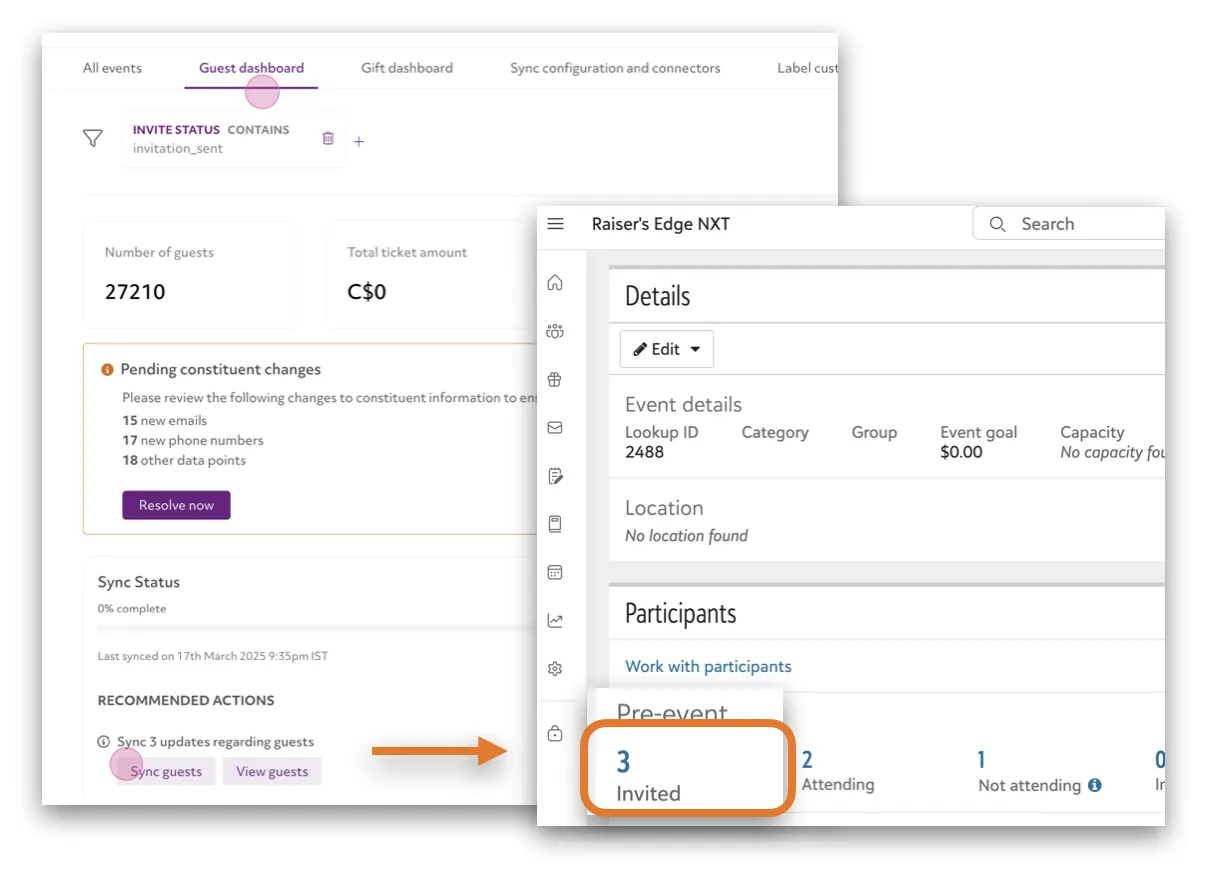
👉 Almabase is an alumni engagement platform designed specifically for educational institutions' advancement teams, now expanding into healthcare and other nonprofit verticals. It combines comprehensive event management with a complete alumni engagement ecosystem, including directories, email marketing, fundraising, finance management, and mentorship programs. With native two-way integration with the Blackbaud ecosystem and additional integrations with Raiser's Edge NXT and Salesforce, every event interaction automatically updates in your systems. Meanwhile, the platform's no-code tools let you create custom branded pages that can be published directly on your institutional website, creating a seamless experience for alumni while maintaining complete control over your brand.
Tired of juggling horizontal platforms with irrelevant features while missing the education-specific capabilities you actually need? Check out Almabase in action and see how it transforms alumni events into true relationship-building opportunities.
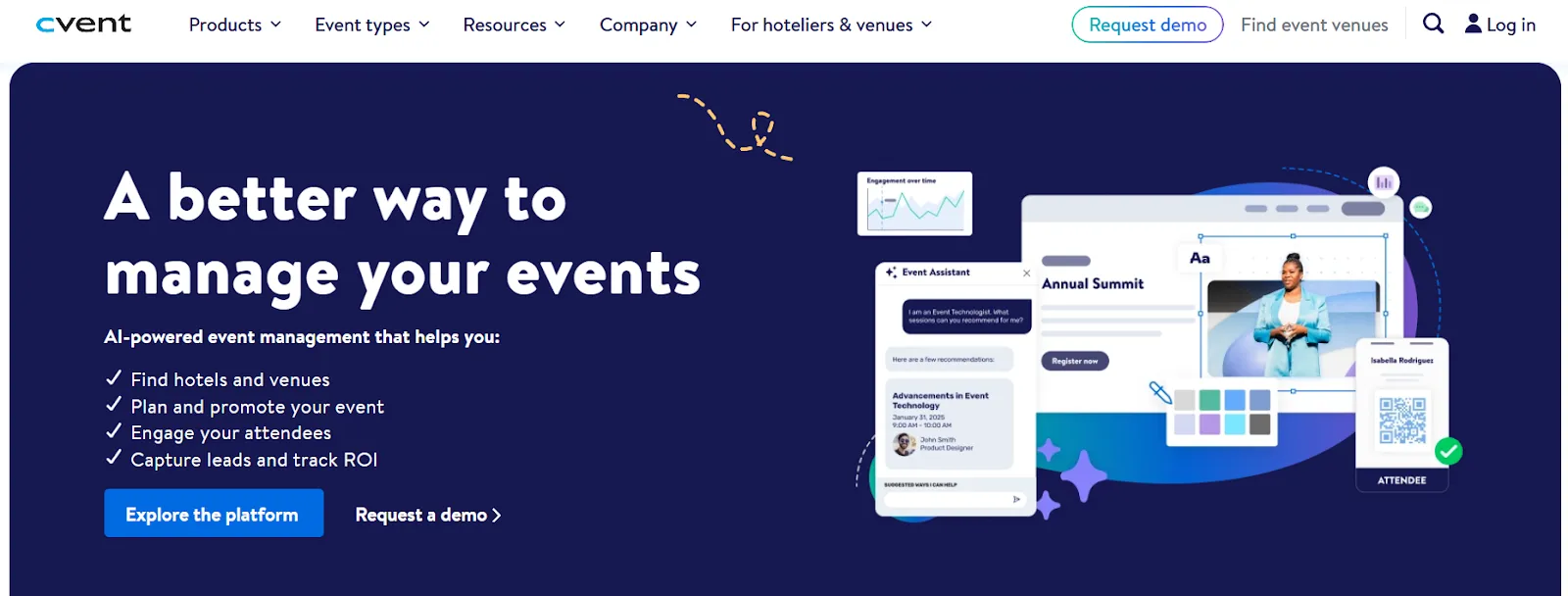
Cvent approaches events from a horizontal enterprise operations perspective, trying to be everything to everyone. Need to source venues through their Supplier Network? Check. Want to manage complex multi-track conferences? It supports it. Require detailed seating charts and meal preferences? They've got you covered. But these are features built for corporate trade shows and association conferences.
While Cvent does offer some education integrations through third-party connectors, these generic solutions don't fully understand the nuances of advancement workflows, constituent management, or the specific needs of institutions managing alumni databases of any size.
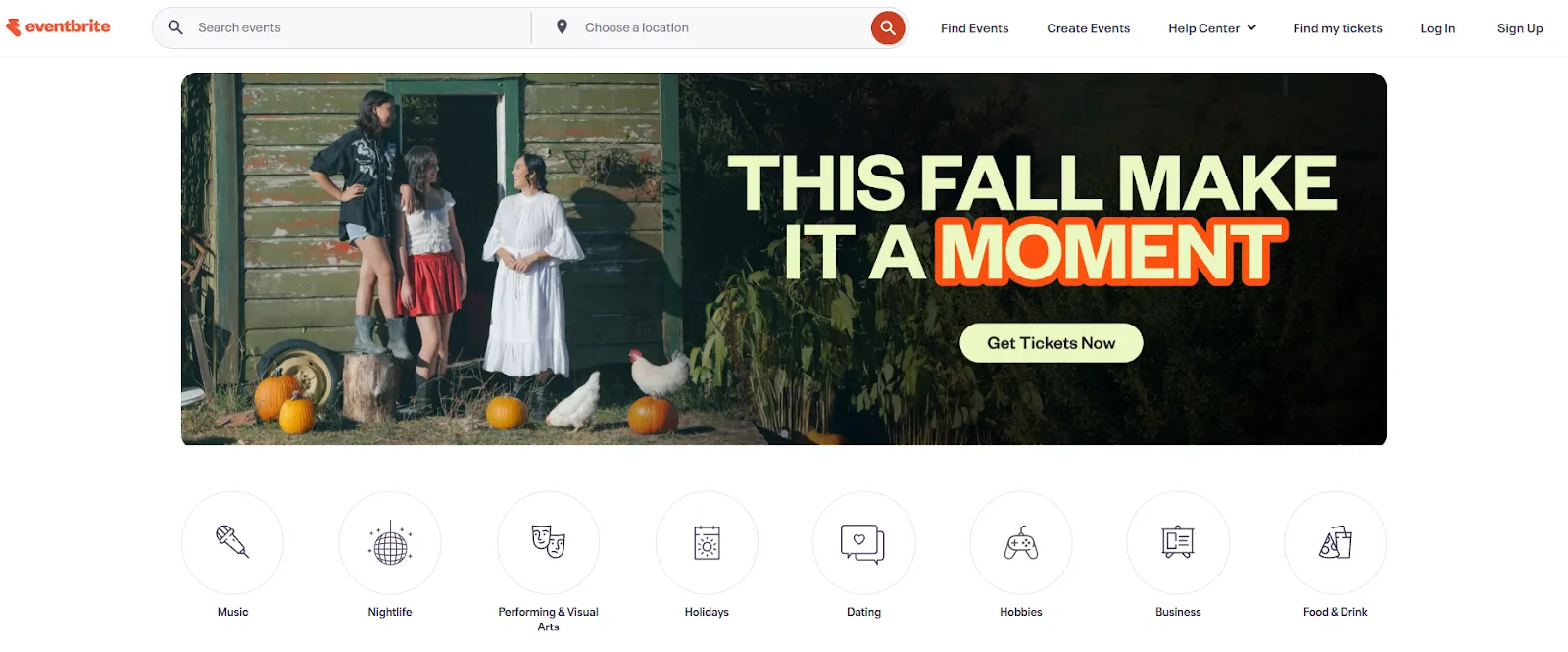
Eventbrite takes the horizontal approach to its extreme, democratizing event creation for anyone. Their platform makes it incredibly easy to create an event page, sell tickets, and check people in with their mobile app. Their marketplace helps events get discovered by 93 million potential attendees. But those attendees are looking for concerts and workshops, not exclusive alumni gatherings.
As a horizontal platform, Eventbrite not only includes features you'll never use (like public marketplace visibility) but also suffers from limited customization options for your registration pages and checkout process.
Users consistently report that branding options are restrictive, making it difficult to maintain your institution's visual identity throughout the registration experience. Combined with slow customer support response times and high fees that increase with event size, these limitations make Eventbrite poorly suited for sophisticated alumni engagement programs.
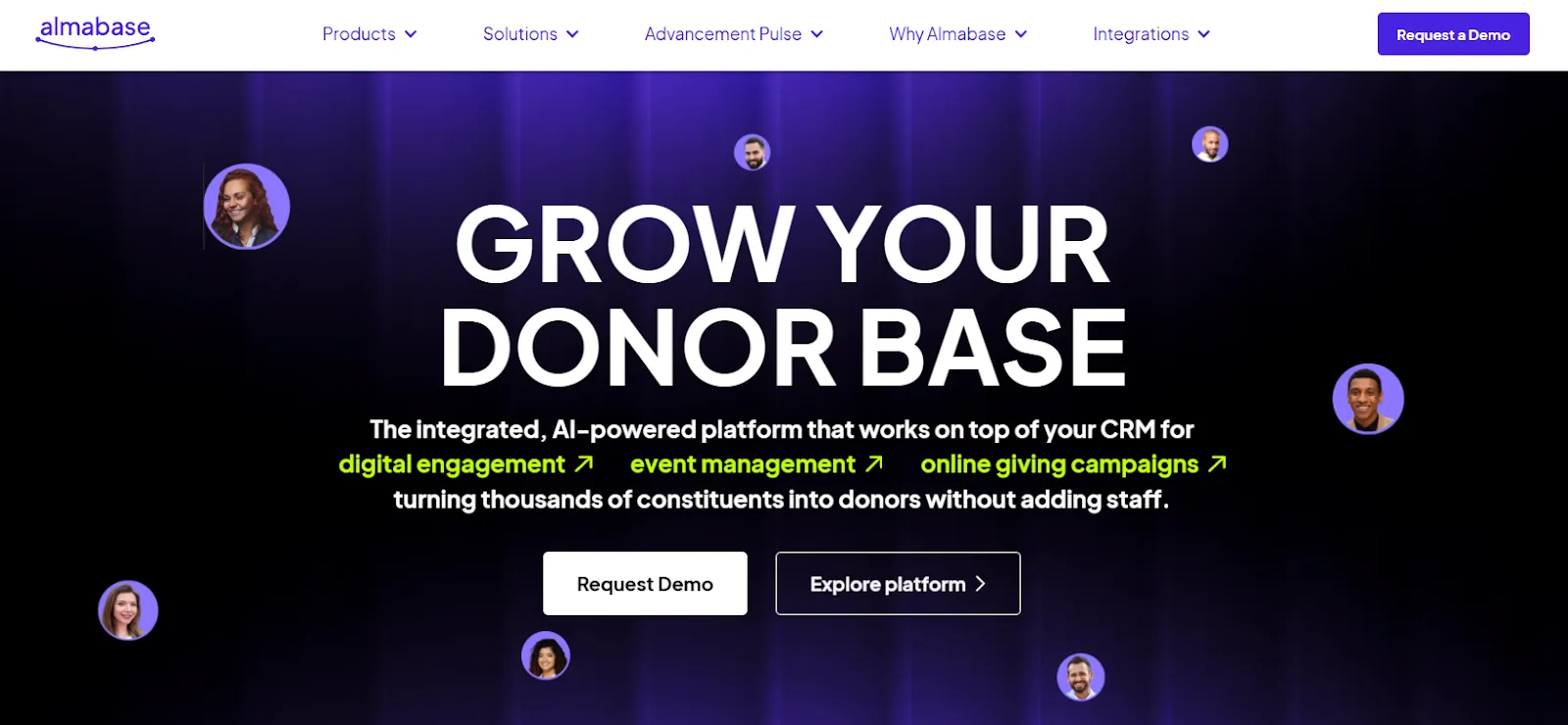
Almabase understands that alumni events exist within a larger engagement ecosystem specific to educational institutions and expanding nonprofit organizations. As a purpose-built advancement platform, every feature is designed for advancement teams.
When someone registers for your reunion through Almabase, it's not just a transaction. Their registration updates their alumni record through deep integrations with Blackbaud and other advancement systems, triggers automated communications, adds them to relevant segments for future outreach, and provides advancement officers with real-time insights into who's engaging with your institution.
Every event becomes a strategic touchpoint in your advancement strategy, with proper finance management tracking, not an isolated activity managed in a horizontal platform.
Let's look at how each platform handles the core aspects of event management.
Cvent's horizontal approach is comprehensive. Their event creation process involves multiple stages, from defining event details to configuring registration paths, setting up sessions, and managing accommodations.
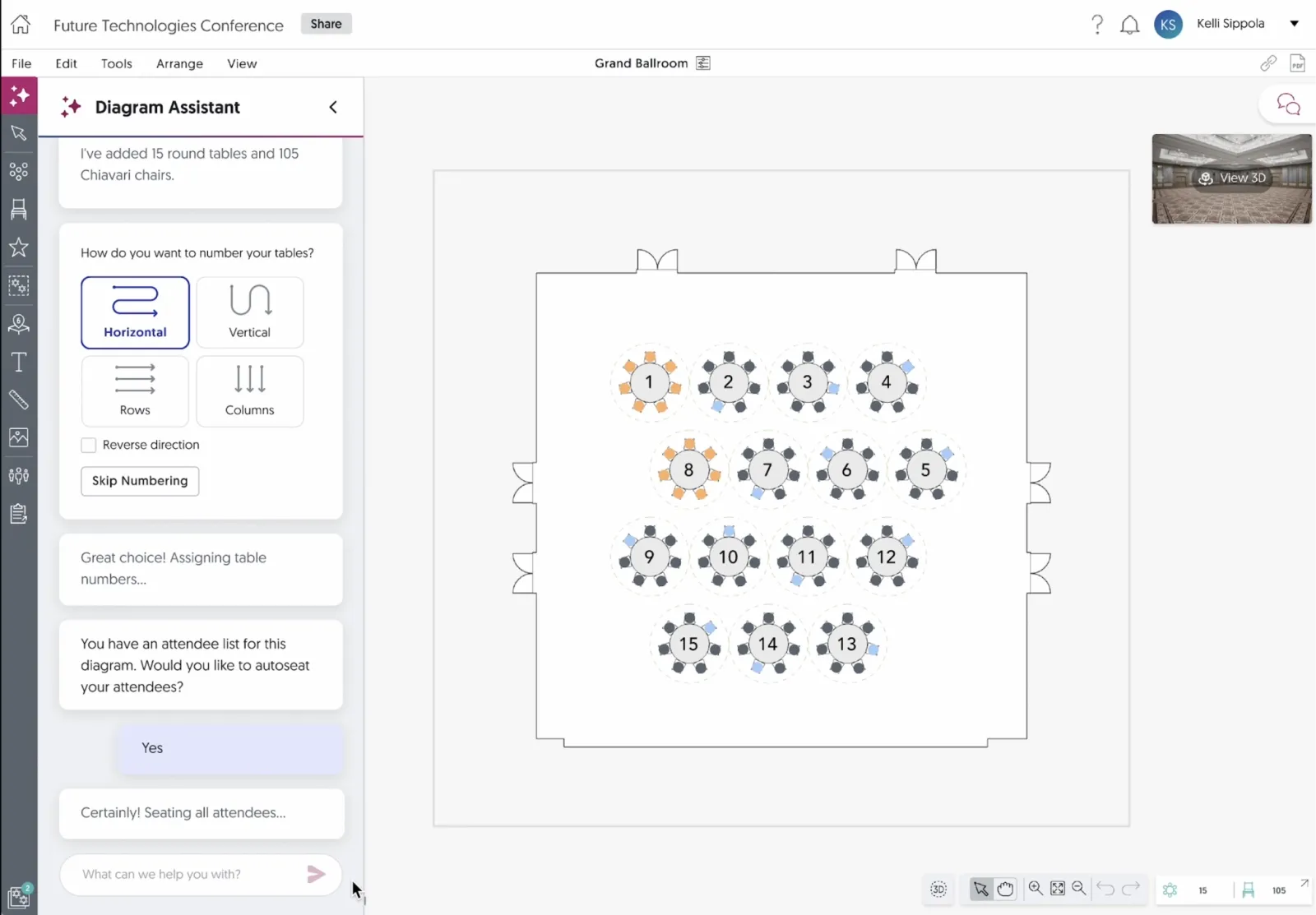
The platform offers incredible depth, with features like reserved seating maps, exhibitor management, and detailed analytics. But this power comes at a cost. Most of these features are irrelevant for educational institutions. After all, you’re not managing trade show exhibitors at your reunion.
Users report spending weeks learning the platform, and while some implementations can be completed in about two months, enterprise rollouts can extend much longer depending on complexity.
Eventbrite's horizontal approach is refreshingly simple.
You can create an event in minutes using their streamlined interface. Choose your event type, add a description and image, set up tickets, and publish. Their AI-powered tools can even generate event descriptions automatically.
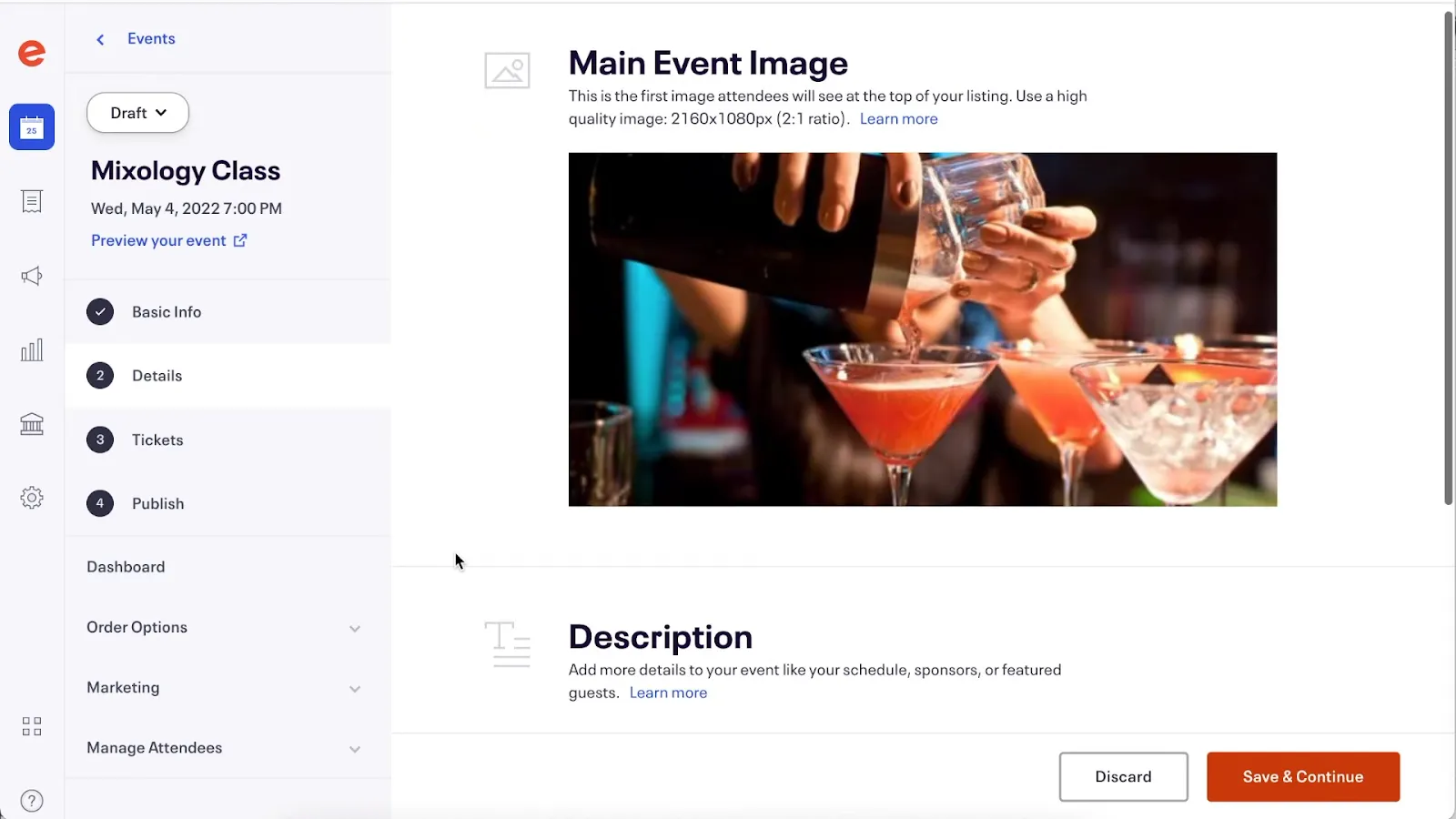
The platform handles the basics brilliantly: ticketing, registration, and check-in. But as a horizontal platform designed for everything from yoga classes to music festivals, it lacks the education-specific features needed for complex alumni events with multiple activities, reunion classes, and varied pricing structures tied to giving levels.
The limited customization extends beyond just branding because users report frustration with inflexible email templates and restricted options for tailoring the registration flow to match institutional processes.
Almabase's vertical approach balances sophistication with usability, purpose-built for educational advancement.
It handles multi-day reunions with various sub-events, conditional ticket visibility, and complex pricing tiers, all while maintaining an interface that advancement teams can actually use.
Key differentiators include comprehensive end-to-end event management with badge generation and distribution, automated email workflows specific to alumni events, the ability to include fundraising options during registration, and guest itineraries that clearly show personalized schedules.
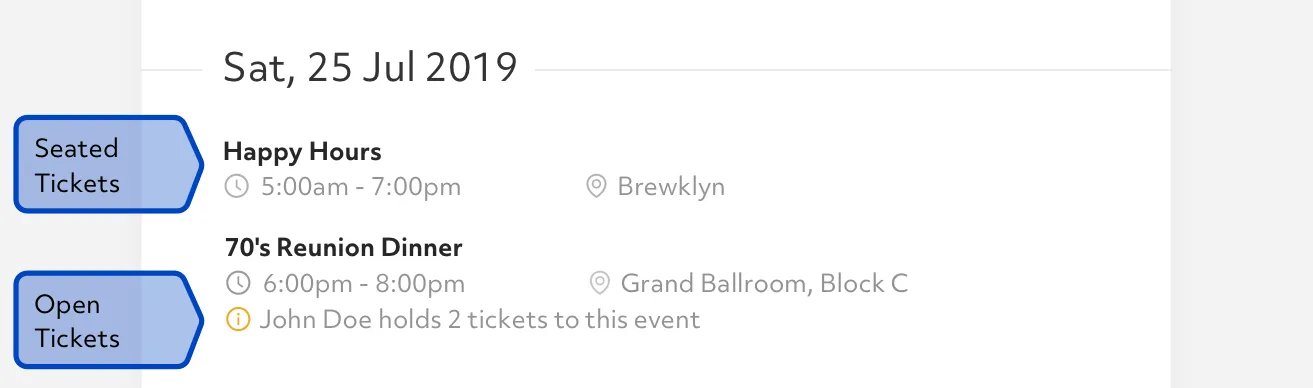
Plus, institutions can create custom branded event pages using no-code tools and publish them directly on their own websites, maintaining complete brand control while leveraging Almabase's infrastructure as a content delivery network.
Cvent offers integrations with business CRMs like Salesforce and Microsoft Dynamics.
These are powerful but designed for B2B sales tracking across all industries. They're built for tracking business contacts and sales opportunities, not alumni relationships, giving history, or the complex household structures common in advancement databases.
While Cvent can connect to some education systems through third-party tools, you're still dealing with data mapping challenges and the fundamental mismatch between horizontal CRM structures and advancement database needs.
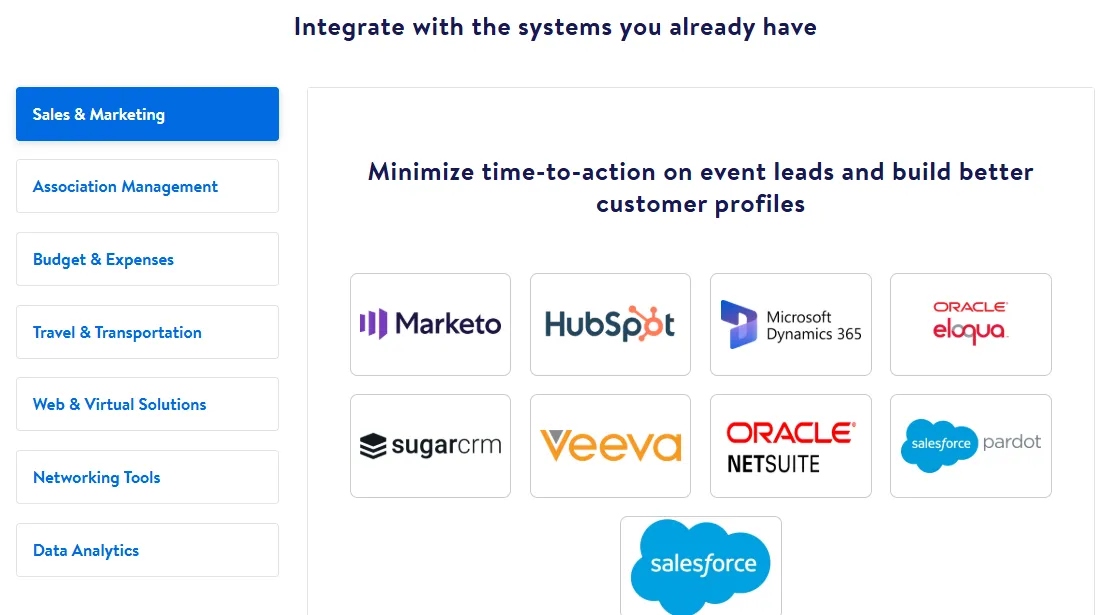
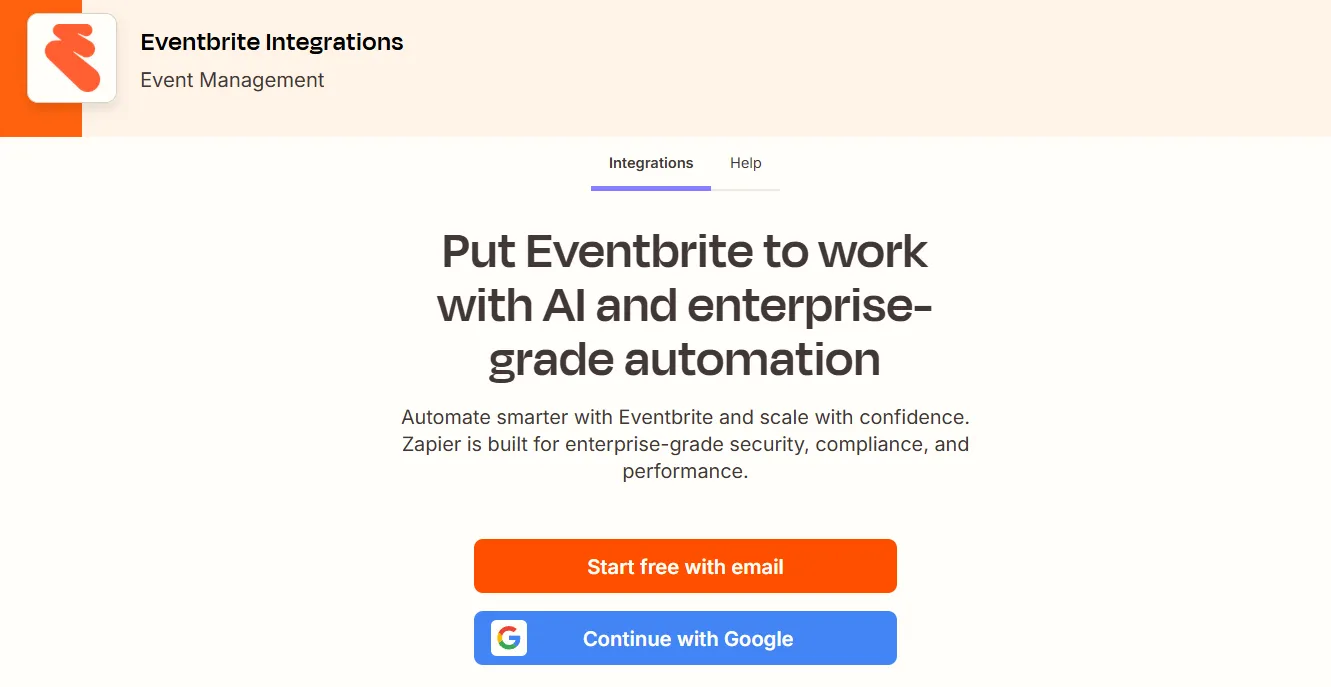
Eventbrite provides integrations through platforms like Zapier and other connectors, offering both one-way and two-way data flow capabilities.
However, these integrations lack understanding of the complex relationships in advancement databases (soft credits, household management, giving history, pledge tracking). You'll likely spend significant time after each event ensuring data accuracy and maintaining constituent records because this is time that advancement teams of any size can't afford to waste.
Almabase offers something different: native integration with advancement-specific systems, particularly excelling with its two-way Blackbaud ecosystem integration. The platform seamlessly retrieves data from and pushes data back to Blackbaud products, while also supporting integrations with Raiser's Edge NXT and Salesforce.
When an alumnus registers for an event, their participation is automatically recorded in their constituent record. Payment information flows directly to gift records through integrated finance management. Event attendance updates engagement scores.
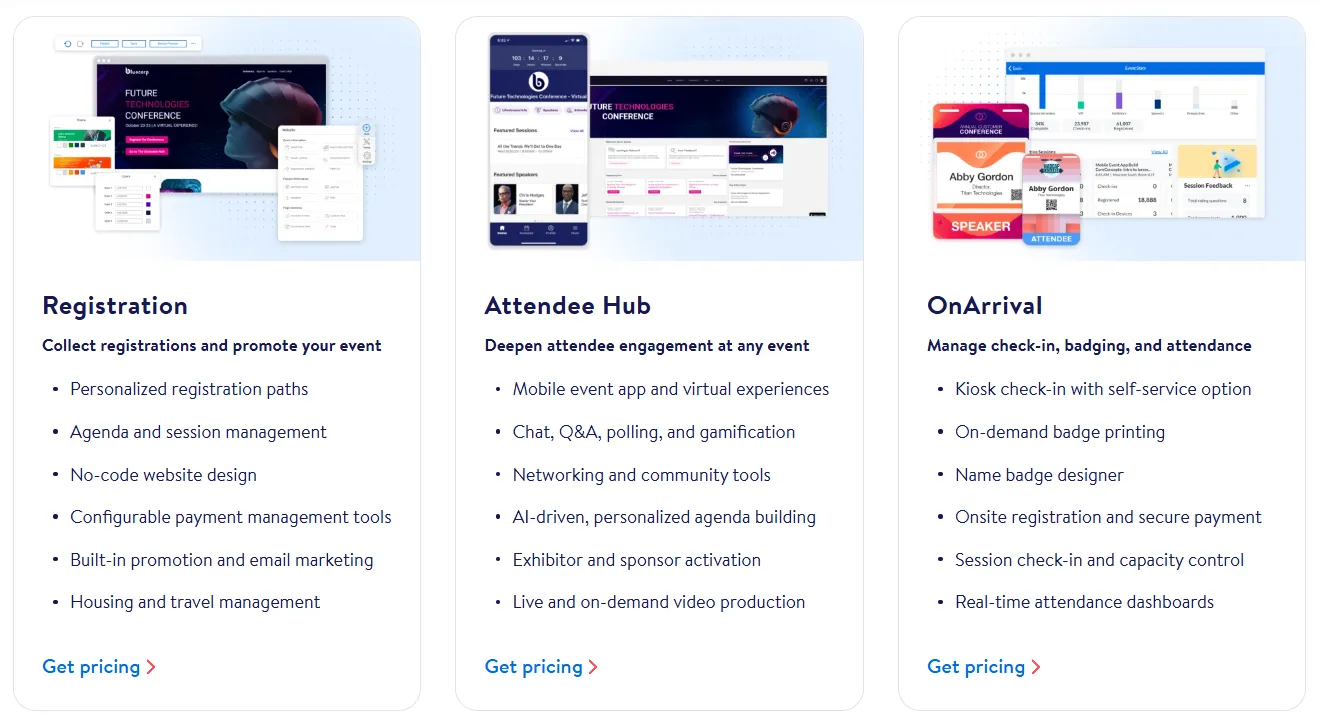
Cvent uses a quote-based enterprise model with annual contracts and per-registrant fees.
Since it serves all industries, you're paying for capabilities designed for corporate conferences that you'll never use. You're looking at significant upfront costs, long-term commitments, and pricing that assumes you're running numerous large events annually.
The ROI calculation works for corporations running massive trade shows but rarely pencils out for alumni relations teams at educational institutions regardless of their alumni database size.
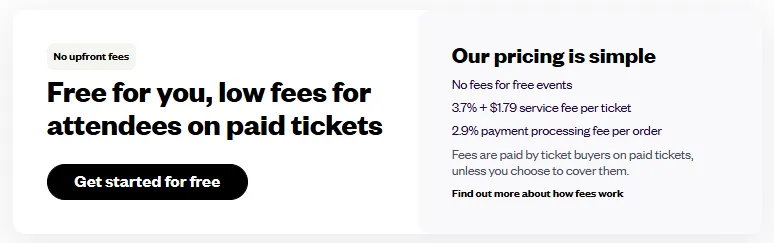
Eventbrite charges per ticket (3.7% + $1.79), which seems reasonable until you realize these fees add up quickly for larger events.
Combined with the fact that you're paying for horizontal features you don't need (marketplace visibility for public discovery) while missing ones you do (alumni data management, finance tracking for advancement), the value proposition weakens.
Free events are free to host and still provide data and reporting capabilities, though this data isn't automatically integrated with Blackbaud or other CRM systems and their reporting tools are less detailed than what advancement teams typically require.
Almabase prices based on your contactable alumni database size, which makes sense for a specialized advancement platform.
You're not just buying event management; you're investing in a comprehensive alumni engagement platform designed specifically for educational institutions and expanding nonprofits. The cost is justified by the efficiency gains across your entire advancement operation, from events to giving campaigns to finance management, because the value extends far beyond isolated event functionality.
Here's what horizontal platforms like Cvent and Eventbrite fundamentally miss: alumni events in higher education don't exist in isolation. Modern educational institutions need integrated systems that connect every touchpoint.
Your events are part of a larger engagement strategy that includes:
While both Cvent and Eventbrite offer email marketing capabilities and Eventbrite supports fundraising through donation tickets, neither provides the comprehensive suite of education-specific features needed for a complete engagement strategy.
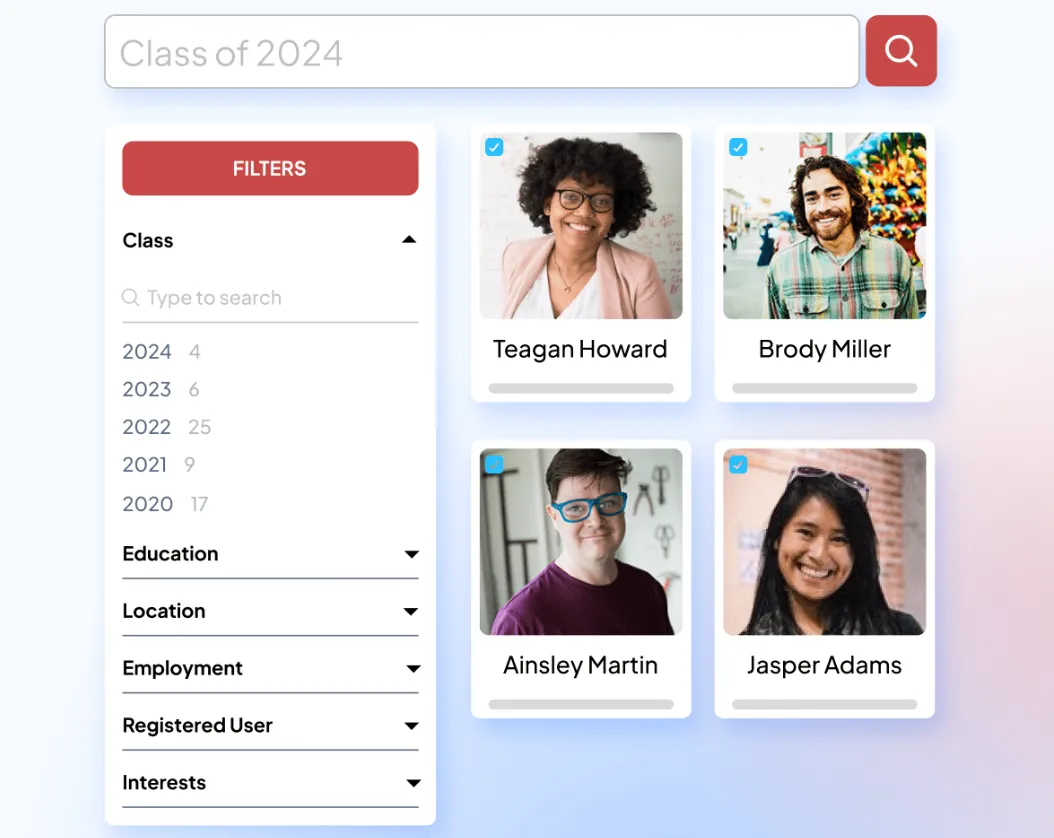
Almabase provides all of these in an integrated vertical platform, including alumni directories, mentorship programs, job boards, and business directories.
When an alumnus attends your entrepreneurship panel, they might join the business directory, sign up as a mentor, and increase their annual giving, all while being tracked in a single system with proper finance management that feeds back to your Blackbaud or other CRM systems.
Cvent, Eventbrite, and other horizontal platforms would require you to bolt on multiple additional platforms to achieve similar functionality, creating data silos, integration challenges, and higher overall costs.
All three platforms support virtual events, but they prioritize different use cases.
Cvent's Attendee Hub is built for large-scale virtual conferences with multiple tracks, exhibitor booths, and networking lounges, which are features designed for horizontal use cases like trade shows.
It's impressive technology, designed to handle events scaling to hundreds of thousands of attendees, though it's primarily oriented toward corporate events rather than intimate alumni gatherings or donor cultivation events.
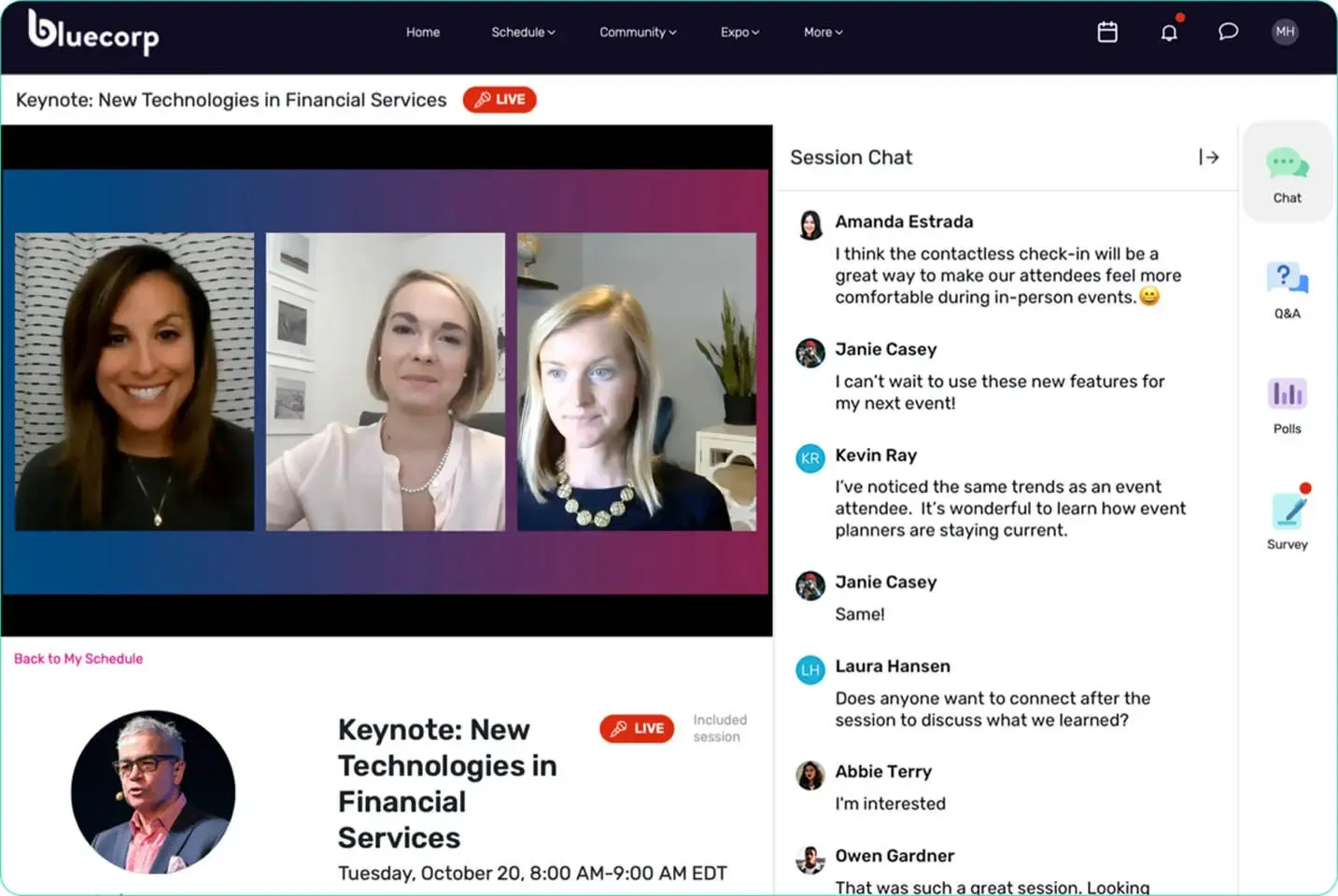
Eventbrite provides virtual event support through integrations with streaming platforms like Zoom, Vimeo, and YouTube.
You can sell tickets to any type of online event and provide access links, with basic analytics and reporting available, though engagement tracking depends largely on your chosen streaming platform and won't integrate with your advancement systems.
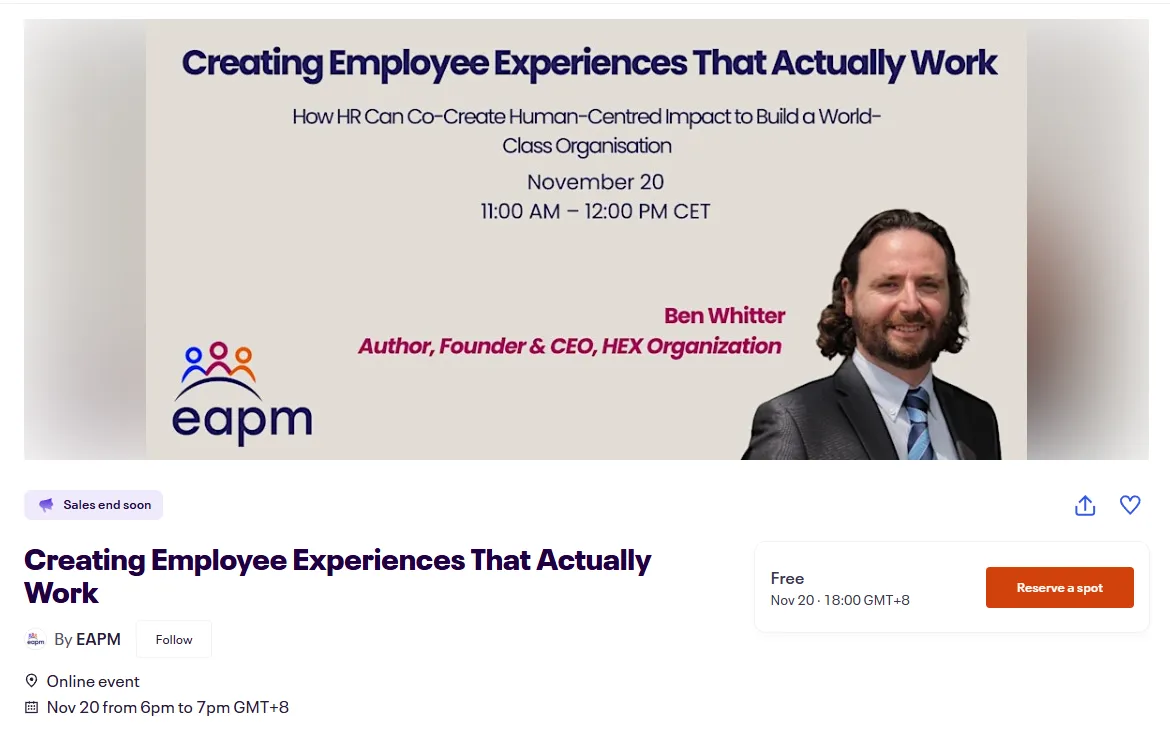
Almabase approaches virtual events as another touchpoint in the alumni journey, purpose-built for education and nonprofit engagement.
Their Zoom integration handles registration and attendance tracking, with enhanced participation tracking features in development. Virtual attendees can still access alumni directories, participate in giving campaigns, and network with classmates, all within the same platform.
Custom branded virtual event pages can be created and published on your institutional website, maintaining a cohesive experience whether events are in-person, virtual, or hybrid.
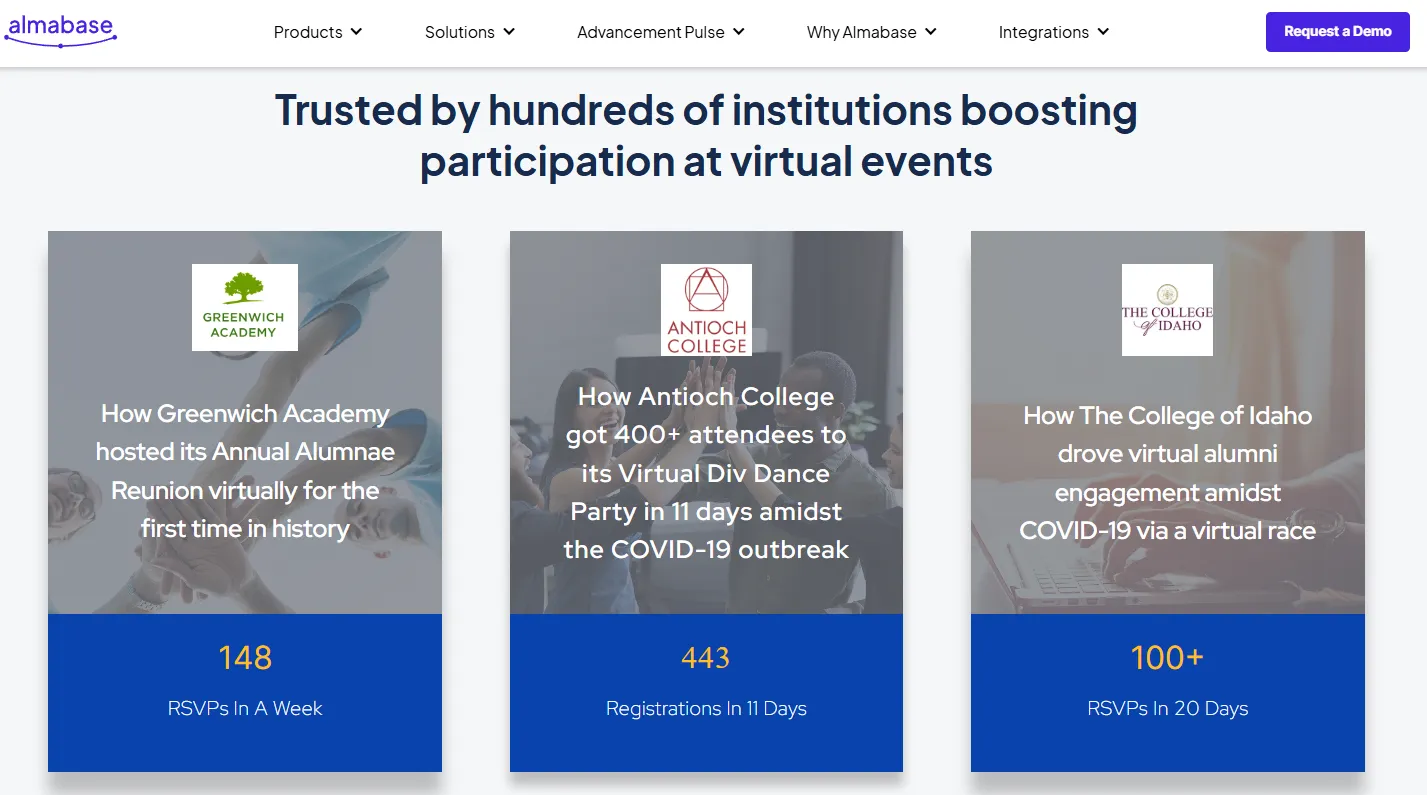
Cvent provides 24/7 support but assumes you have dedicated event professionals on staff who understand general event management.
Their implementation process can range from a couple of months for simple setups to much longer for enterprise deployments, often involving consultants and project managers. This makes sense for enterprises with event teams but can overwhelm smaller advancement offices at educational institutions.
Eventbrite offers tiered support based on your plan, with options including email, chat, and phone support.
The platform is self-service by design, which works for simple events but users frequently report slow response times from their support team. Also, their support staff won't understand the specific needs of alumni gathering requirements or advancement operations, and may take days to resolve issues that are critical during event registration periods.
Almabase provides 24/7 support with a crucial difference: they understand advancement and are built for alumni events. As a bootstrapped, customer-first organization, their support consistently receives high ratings from educational institutions.
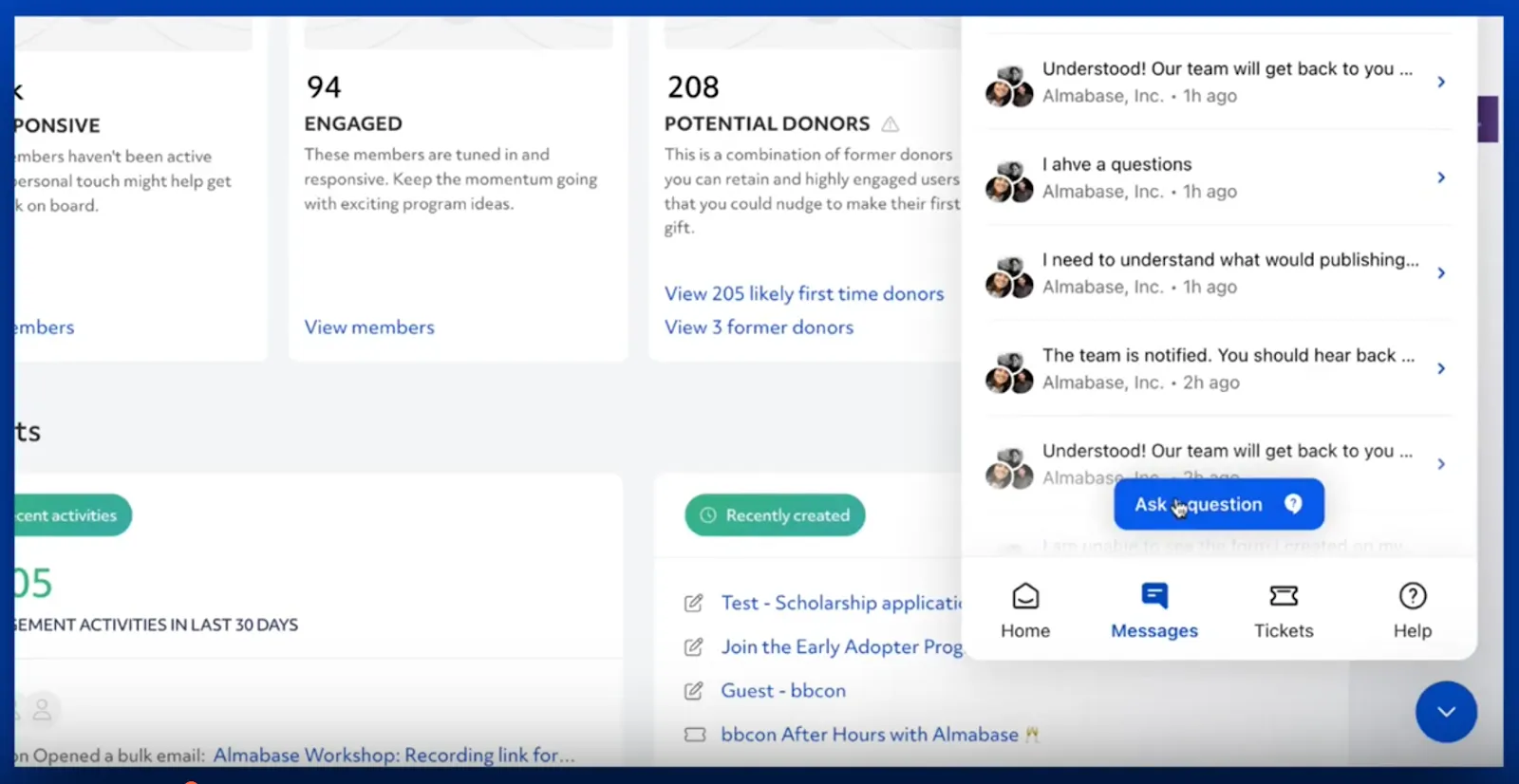
Their support team knows what Blackbaud is, understands gift processing and finance management, and can help with alumni engagement strategies specific to higher education in the US, UK, and Canada. The onboarding isn't just technical setup; it's strategic consultation on building your alumni engagement program for institutions of all sizes.
During critical periods like giving days and homecoming events, their priority support ensures your events run smoothly.
The choice becomes clear when you focus on your needs as an educational institution or nonprofit organization.
Choose Cvent if:
Need enterprise-scale power? Request a demo of Cvent now.
Choose Eventbrite if:
Choose Eventbrite if simplicity matters. Sign up to get started.
Choose Almabase if:
The reality is that most educational institutions don't need the horizontal complexity of Cvent or Eventbrite with their irrelevant features for all industries. They need a vertical platform that understands that every alumni event is an opportunity to strengthen relationships, gather data, manage finances, and advance their mission.
Ready to see how Almabase transforms your alumni events from isolated activities into integrated engagement opportunities? Schedule a demo to explore an advancement platform built specifically for educational institutions of all sizes.

Cvent vs Eventbrite (vs Almabase): Which Platform Is Better For Educational Institutions?
Cvent vs Eventbrite for education: Compare horizontal platforms vs Almabase's vertical solution built for alumni engagement & advancement.
Best practices
Hivebrite has established itself as a significant player in the community management space, offering organizations an all-in-one platform that brings together member directories, event management, communication tools, mentoring programs, job boards, and more.
But as your community evolves and your specific needs become clearer, you might find that a platform designed to serve everyone from corporations to universities to professional associations doesn't quite hit the mark for your particular use case. Organizations often discover that Hivebrite's extensive feature set requires significant time investment to learn and configure properly, particularly for smaller teams without dedicated technical resources. The platform's flexibility can be limited for organizations that need specific customizations.
That's where this guide comes in. Whether you're looking to:
We'll explore specialized alternatives that excel in these specific areas. Some organizations might use these tools alongside Hivebrite to enhance particular functions, while others might find that a more focused solution better serves their needs entirely.
Hivebrite is an all-in-one, cloud-based community management and engagement platform designed to help organizations build, manage, and grow private, branded online communities. Founded in 2015 and serving over 900 customers in more than 50 countries, it provides a comprehensive suite of tools for various sectors including educational institutions, nonprofits, corporations, and professional associations. Its key features include:
When organizations use Hivebrite, all these components work together in an integrated fashion: a member who registers for an event automatically appears in the attendee list, their participation is tracked in analytics, they can be added to relevant groups, and targeted for specific communications based on their engagement. This integration reduces the need for multiple disconnected tools.
However, as a horizontal platform designed to serve all industries—from corporate alumni networks to professional associations to educational institutions—Hivebrite's broad approach can present challenges. The extensive feature set that makes Hivebrite powerful for large enterprises with dedicated staff can feel overwhelming for institutions without technical resources. Additionally, customization options are often restricted based on tier levels, limiting flexibility for organizations with specific needs.
That's why exploring alternatives that excel in particular use cases can help you find the perfect fit for your community's unique needs. In this guide, we've organized alternatives into two distinct categories: Alumni Engagement & Management platforms (designed specifically for educational institutions and advancement teams) and Generic Community Engagement & Management platforms (suitable for a broader range of organizations)
After thoroughly researching Hivebrite and analyzing user feedback, we identified that organizations often seek alternatives when they need:
Each platform on this list excels in at least one of these areas, providing specialized solutions that might better match your organization's specific requirements, technical capabilities, or budget constraints.
To help you navigate these options more effectively, we've organized our alternatives into two distinct categories:
Alumni Engagement & Management Platforms (1-6): These platforms are purpose-built for educational institutions—K-12 schools, colleges, and universities—with features tailored for advancement teams, alumni relations, fundraising, and student/alumni mentorship. If you're in the education sector looking for a Hivebrite alternative, start here.
Generic Community Engagement & Management Platforms (7-10): These platforms serve a broader range of organizations, from creators and SaaS companies to enterprises and technical communities. They excel at general community building, customer engagement, forum discussions, and CRM integration across various industries.
❗DISCLAIMER: We aren't covering every single community platform in the market. Our focus is on highlighting the best alternatives that address specific limitations or use cases where organizations might need something different from Hivebrite's all-in-one approach.
The following six platforms are specifically designed for educational institutions seeking specialized tools for alumni engagement, advancement operations, and fundraising. Unlike Hivebrite's all-industry approach, these solutions understand the unique workflows of K-12 schools, colleges, and universities.
Almabase is a comprehensive alumni management software purpose-built for educational institutions such as K-12 schools, colleges, and universities. Unlike generic community platforms that try to serve all industries, Almabase is an education-specific platform that works as an integrated solution on top of your existing CRM, enhancing your current database of record without replacing it. This specialized advancement platform provides tools designed specifically for how educational institutions engage alumni and drive fundraising. Its key features include:
Almabase serves over 500 institutions and maintains a 95% customer retention rate, demonstrating its value for advancement teams that need their community platform to work in harmony with their existing CRM infrastructure. The platform's consistently high support ratings reflect its customer-first philosophy as a bootstrapped organization.
While Hivebrite offers a comprehensive platform that attempts to serve various sectors from corporations to associations to educational institutions, Almabase excels as a dedicated alumni engagement system built exclusively for educational advancement. Where Hivebrite's all-industry approach can require extensive configuration and may include irrelevant features while missing education-specific capabilities, Almabase delivers exactly what advancement teams need.
Almabase is architected specifically for educational institutions, not adapted from a generic platform. Every feature—from event management to fundraising to communications—is designed with advancement workflows in mind. The platform includes comprehensive event management capabilities that are market-leading for education, with features like badge generation and distribution, complete attendee management, and seamless data flow to your CRM.
Unlike Hivebrite, which requires significant time investment to learn and configure for educational use cases, Almabase provides pre-built templates and workflows designed specifically for advancement teams. The platform's modularity and ease of use mean you can create custom branded pages without any coding knowledge and publish them directly on your institutional website through Almabase's CDN infrastructure—eliminating the need for separate technical resources.
Almabase's TrueSync technology provides bidirectional synchronization with Blackbaud advancement CRMs (Raiser's Edge NXT and Blackbaud CRM)—the deepest integration available in the market. The platform also offers native integrations with Salesforce and connections to other CRMs like Ellucian.
This integration extends beyond simple data sync. Almabase includes comprehensive finance management capabilities designed for educational advancement, enabling proper gift processing, donor transaction management, and financial tracking. When gifts are processed through Almabase giving pages, they are batched and pushed to your CRM with proper gift coding, soft credits, and constituent matching—significantly reducing manual data entry.
While Hivebrite users often report struggling with setup complexity and needing dedicated technical staff, Almabase provides 24/7 customer support with a customer-first philosophy that has earned consistently high ratings. The support team offers priority assistance during critical institutional periods like giving days and homecoming events—exactly when advancement teams need immediate help.
The platform is specifically designed for advancement teams who may not have extensive technical resources. Pre-built templates for common workflows, automated data enrichment that finds updated alumni information, and drag-and-drop builders eliminate the steep learning curve that many experience with horizontal platforms.
🏅 NOTE: We also evaluated platforms like Graduway and 360Alumni for educational institutions. Graduway offers strong AI-powered fundraising through its Gravyty merger and integrates with existing CRMs. 360Alumni provides good value for smaller schools and offers integrations with Raiser's Edge NXT and Salesforce. Almabase combines comprehensive advancement features with deep CRM integration through TrueSync, making it a strong choice for institutions that want to enhance their existing database infrastructure with a purpose-built solution.
Almabase uses customized pricing based on your institution's size and needs:
Choose Almabase if:
Ready to see how Almabase can transform your advancement operations while working seamlessly with your existing CRM? Schedule a personalized demo and discover why 500+ institutions trust Almabase for their alumni engagement and fundraising.
Graduway is an alumni engagement platform that has evolved into a comprehensive fundraising ecosystem through its merger with Gravyty and the addition of Gratavid and the Advance giving platform. Built with the philosophy that alumni engagement should directly translate into philanthropic support, it serves larger educational institutions and advancement offices that want to operationalize their alumni network as a pipeline for fundraising campaigns. Its key features include:
Graduway distinguishes itself through three key advantages:
🏅 NOTE: We considered 360Alumni and PeopleGrove as alternatives. While 360Alumni offers strong networking capabilities and transparent pricing, and PeopleGrove excels at career services, Graduway's comprehensive fundraising ecosystem through the Gravyty partnership makes it a strong choice for institutions prioritizing philanthropic outcomes from alumni engagement.
Choose Graduway if:
Wild Apricot is a cloud-based membership management platform providing organizations with unified tools for websites, member databases, events, and payments without requiring technical expertise. Originally launched in 2006 and serving organizations ranging from small groups to those with up to 50,000 members, it's designed for associations and small nonprofits that need robust functionality at predictable costs. Its key features include:
Wild Apricot excels in three critical areas:
🏅 NOTE: We evaluated Memberful and MemberPress as alternatives. While Memberful excels at lightweight membership integration for existing websites and MemberPress works well for WordPress sites, Wild Apricot provides a complete standalone solution with website building, membership management, and payments at transparent pricing.
Choose Wild Apricot if:
ToucanTech is an all-in-one community platform consolidating website building, CRM, email communications, event management, and payment processing into a single system. Specifically designed for schools and nonprofits, it reduces the need for multiple vendors and complex integrations, though it does connect with payment processors and accounting software. Its key capabilities include:
ToucanTech differentiates itself through three key advantages:
🏅 NOTE: We evaluated Hivebrite's integrated modules and other school-focused platforms. While Hivebrite offers more customization and modular flexibility, ToucanTech's pre-integrated approach reduces configuration complexity, making it well-suited for schools wanting operational simplicity over extensive customization options.
Choose ToucanTech if:
PeopleGrove is a comprehensive student success platform that reframes mentorship and career development by unifying initiatives across the entire learner lifecycle. Rather than treating mentorship as a standalone feature, PeopleGrove integrates AI-powered matching, career exploration, experiential learning management, and community engagement into a single Career Access Platform. Its key capabilities include:
PeopleGrove excels through specialized career development features:
🏅 NOTE: We evaluated Stack Overflow for Teams for technical mentorship and various LMS platforms with career modules. PeopleGrove combines mentorship, experiential learning, and measurable career outcomes in ways that many general community or learning platforms do not.
Contact PeopleGrove for specific pricing based on your institution's size.
Choose PeopleGrove if:
360Alumni is a community-first platform designed for educational institutions and nonprofits seeking streamlined, affordable alumni management without enterprise complexity. Launched in 2013, it offers comprehensive engagement and fundraising tools within a single environment, with every feature included at every price tier regardless of record count. Its key capabilities include:
360Alumni differentiates itself through focused simplicity:
🏅 NOTE: We evaluated Graduway for advanced analytics and considered general association platforms. While Graduway offers strong features for larger enterprises and association platforms serve multiple industries, 360Alumni offers a straightforward solution specifically for K-12 and small colleges prioritizing rapid deployment with transparent pricing.
Choose 360Alumni if:
The following four platforms serve organizations beyond the education sector, including creators, SaaS companies, enterprises, and technical communities. If you're looking for Hivebrite alternatives for customer communities, creator monetization, enterprise CRM integration, or discussion forums, these options may better fit your needs.
Mighty Networks is an all-in-one community platform purpose-built for creators and entrepreneurs who want to build, monetize, and scale branded communities without extensive development. Unlike enterprise-focused platforms, Mighty Networks prioritizes the creator economy with integrated courses, memberships, and events in a single ecosystem. Its key capabilities include:
Mighty Networks excels for individual creators and small teams:
🏅 NOTE: We evaluated Circle for flexible community architecture and Kajabi for sales funnels. While Circle offers good customization and Kajabi excels at marketing, Mighty Networks provides a cohesive all-in-one experience for creators wanting community and monetization without external integrations.
Note: Branded mobile apps are only available with the Mighty Pro tier.
Choose Mighty Networks if:
Bettermode is a community platform architected as "infrastructure for communities," designed to be embedded directly into existing products and websites rather than functioning as a standalone destination. This makes it ideal for SaaS companies and digital product teams that view community as integral to their product ecosystem. Its key capabilities include:
Bettermode excels at embedded community experiences:
🏅 NOTE: We evaluated Hivebrite's customization and Circle for creator communities. While both offer strong features for their target markets, Bettermode combines no-code customization with embeddability and developer flexibility for teams building branded customer communities native to their product ecosystem.
Choose Bettermode if:
Salesforce Experience Cloud (formerly Community Cloud) is a digital experience platform enabling organizations to create branded portals natively integrated with Salesforce CRM. Rather than treating community as a separate system requiring integration, Experience Cloud operates as an extension of your Salesforce platform with data flow across Sales, Service, and Marketing Clouds. Its key capabilities include:
Experience Cloud provides CRM-native capabilities:
🏅 NOTE: We evaluated standalone community platforms with Salesforce connectors and considered Microsoft Viva Engage for Office 365 organizations. While these provide integration capabilities, Experience Cloud's native CRM architecture significantly reduces synchronization complexity for organizations already invested in Salesforce.
Choose Salesforce Experience Cloud if:
Discourse is a 100% open-source discussion platform designed for building forums focused on "civilized discussion." Founded by Stack Overflow co-founder Jeff Atwood, it concentrates on creating structured, searchable conversations rather than broad community management. Its key capabilities include:
Discourse excels at structured knowledge creation:
🏅 NOTE: We evaluated Stack Overflow for Teams for Q&A and phpBB for mature open-source options. While Stack Overflow excels at technical Q&A and phpBB offers forum basics, Discourse provides a modern discussion platform combining forums with real-time chat while maintaining complete data ownership.
Self-Hosted (Free)
Choose Discourse if:
While Hivebrite excels as a comprehensive all-in-one community platform, organizations with specific requirements often benefit from more specialized solutions. The platform's broad, all-industry approach can present challenges: many users find the initial learning curve steep, customization options are restricted by tier levels, smaller organizations often feel overwhelmed by the complexity, and the interface and mobile experience don't always meet modern expectations. Based on our research, here are the best alternatives organized by category:
Remember, you don't have to choose between Hivebrite and these alternatives exclusively. Many institutions and organizations successfully combine platforms to address different aspects of their community needs. Consider your specific requirements, technical capabilities, and growth trajectory when selecting the solution that best fits your organization.
Ready to enhance your alumni engagement? Discover how Almabase's education-specific platform can transform your advancement operations with market-leading event management, no-code custom page creation, and 24/7 priority support.
Schedule your personalized demo and join 500+ institutions already achieving results with integrated alumni engagement and fundraising.

10 Hivebrite Alternatives: Specialized Solutions for Different Community Needs
Compare 10 Hivebrite alternatives for alumni, membership & community management. Find specialized solutions for education, creators & enterprises
Best practices
When the Almabase team spoke at CEAC about practical ways to use AI in advancement, the room felt mixed with curiosity and caution. Everyone had heard big promises about artificial intelligence before, and it was hard to tell what was real. But a few minutes into the session, something shifted.
There were no futuristic predictions or talk of machines replacing people. Instead, the focus was clear demonstrations of how AI can help with real work: making everyday tasks faster, cleaner, and easier.
By the end, people were not taking pictures of slides anymore. They were leaning forward, already thinking about what they could try first.
We wanted to revisit that moment and expand on it. This blog is for advancement and alumni relations professionals who want to see what AI can do right now in practical, human ways.
Advancement professionals live in two worlds. One is personal, where conversations, thank-yous, and connections matter most. The other is operational, filled with lists, reports, and follow-ups that never seem to end.
AI, when used smartly, can bring these two worlds together. It handles the mundane, repetitive work that keeps people from doing what truly matters i.e, connecting with donors, writing meaningful messages, and planning strategy.
Of course, this should not just be about speed for its own sake. It is about giving professionals time to think, plan, and act on ideas instead of constantly catching up to spreadsheets, deadlines, and data entry.
Some teams understandably hesitate to use AI because they believe it is either too shallow or technical, or perhaps too impersonal. The truth is somewhere in between and surprisingly simple
AI cannot listen, care, or read real human emotions. It only removes the repetitive tasks that stop officers from doing those very things.
When used right, it should actually strengthen it. Less admin work means more energy for conversations, thank-yous, and relationships.
If you can explain what you need in simple language, you can most likely use most AI tools effectively.
The most useful tools shown during the CEAC session cost less than a lunch for two.
During the CEAC session, the Almabase team showed live examples that anyone could build. Each one was based on a simple idea: use affordable tools, connect them intelligently, and always keep people in charge.
These workflows were not theory or promises. They were real systems that anyone could set up in a few hours.
Preparing for a donor meeting often means sorting through emails, spreadsheets, and profiles to find the right information. The Prospect Research Copilot makes that process easy.
It connects your calendar to tools like Zapier or N8N, which identify upcoming meetings. Then Clay updates donor profiles with the latest information, while ChatGPT or Perplexity writes a short briefing with key details.
Before your meeting starts, a clean summary lands in your inbox — complete with recent activity, giving history, and professional updates.
Meetings begin with confidence instead of guesswork, and officers spend their time building connections rather than chasing data.
Watch demo: Prospect Research Copilot
Every time an alumnus changes jobs, it opens a window for conversation. The hard part is knowing when it happens.
This workflow uses Clay to track alumni job changes through LinkedIn. When one occurs, Zapier triggers ChatGPT to draft a short, personal message. A staff member reviews it before sending.
This way, no updates go unnoticed. Each career move becomes a chance to reconnect and build goodwill.
Watch demo: Career Transition Alerts
Events take weeks to plan and only hours to run, but their value often ends too soon. The Event Recap Generator helps keep the momentum alive.
Upload your event recording to Descript to get a transcript. Send that text to ChatGPT to identify key quotes and themes. Then use Canva Magic Write to create branded visuals and posts for social media.
By the end of the day, your team has ready-to-share summaries, visuals, and emails. One event turns into several pieces of content that keep your community engaged.
Watch demo: Event Recap Generator
After CEAC, several schools started creating their own versions of these workflows. Here are four that have shown strong results.

Each workflow starts small but creates a real difference in time and clarity.
To see automation in action, read RISD’s Almabase journey on how to turn efficiency into real-world results.
The easiest way to begin with AI is to pick one tool and try it. ChatGPT, Jasper, or Perplexity can already plan, summarize, and write faster than traditional methods.
The real power comes when these tools connect to your CRM. Once AI understands your data, it becomes context-aware and starts suggesting meaningful next steps — who to contact, which donors need attention, and which campaigns are performing best.
That is where Almabase creates real value. The platform gives AI the context it needs to make insights useful and human.
Visit the Almabase Platform Page to learn how these integrations work.
AI at Almabase keeps evolving, but one idea stays the same: make everyday work simpler while keeping humans in control.
Each new feature is designed to work quietly behind the scenes so your team can focus on meaningful work.
AI can multiply both good and bad habits. If your process is clear, it becomes a powerful helper. If it is sloppy, mistakes spread fast. Responsible use keeps your team’s quality and reputation strong.
These small habits decide how much people trust your institution and your message.
Pick one workflow that solves a real problem for your team. Build it, test it, and see what changes. If it saves time, share the results so other departments can learn from it. Innovation spreads best through examples and mutual learning.
The most effective teams usually start with something small and doable. Each success builds momentum for the next project, and if the past several years have proven anything, it is the importance of scalable improvements in advancement and alumni relations.
If you want to explore the CEAC workflows or see them in action, join the next Lunch and Learn or request a personalized demo, and our team will reach out with a quick demo.
AI is not some faraway idea. It is already here, ready to help teams work smarter. It will not make thank-you calls or write heartfelt notes. It will not remember a donor’s favorite story about their college days. But it will give you the time and space to do those things better.
The next chapter of advancement will not be about machines replacing people. It will be about balance and technology handling the busywork so humans can focus on connection.
That is what Almabase continues to build toward. AI that works quietly in the background while people do what only humans can do best, which is to build relationships that last.

Beyond the Hype: How AI Is Quietly Changing the Way Advancement and Alumni Teams Work
Beyond the hype, what does AI actually bring to the table for advancement and alumni facing teams? We're bringing you all things practical about AI with this blog
Best practices
Rising competition for donor attention, the need for diversified revenue streams, and the growing shift toward community-anchored fundraising are changing how hospital foundations engage supporters.
Today's donors, especially younger donors, prefer experiential giving: personal, Meaningful experiences they can feel and remember. In fact, 75% of Millennials and two-thirds of Gen X say they’re more likely to donate after a fantastic event experience.
These trends are reshaping donor engagement and nonprofit fundraising, especially as hospital foundations look for fresh healthcare fundraising ideas that spark connection and long-term loyalty.
Small fundraising events offer alternatives to traditional hospital gala ideas for hospitals and are quickly becoming a reliable way to engage donors and inspire repeat giving — an urgent problem since fewer than 20% of first-time healthcare donors ever return.
Almabase helps make your event planning, and donor follow-up easy, automated, and intuitive, with automated ticketing, branded event pages, QR check-ins, and TrueSync which ensures data that flows directly into Raiser's Edge NXT. What once took days or weeks of manual cleanup now takes minutes, freeing your team to focus on donor relationships instead of administrative tasks.
Let's look at five fun ideas that can turn your fundraising event into the talk of the town, and how Almabase’s technology makes them easier, faster, and more cost-effective to execute.
These invitation-only events, typically hosted in private homes or unique venues, create the kind of meaningful access that donors never get from a ballroom full of 300 people.
CommonSpirit's Dignity Health Foundation--Inland Empire turned its board-hosted salons into high-impact donor cultivation tools. They’ve hosted salons in unforgettable locations: a board member's airplane hangar dressed up for the holidays, an animatronics studio, and even a physician's exceptionally gorgeous home.
The results speak for themselves. CommonSpirit’s salons have attracted three major gifts, a new bequest, new relationships with donors showing major giving potential, and deeper board engagement. The team is already planning multiple new salons for FY26.
Raffles remain a staple across nonprofit fundraising, and in healthcare they offer an easy entry point for supporters who may not attend a gala. They’re relatively simple and inexpensive to execute, and can be incredibly effective when you add a little urgency or exclusivity.
Manitoba-based Boundary Trails Health Center Foundation raised more than $36,000 (after paying out the raffle winner) in its winter 2025 raffle. Attractive ticket bundles kept momentum rolling—from 10 tickets for $20 up to 200 tickets for $100.
Virginia’s Martha Jefferson Hospital Foundation capped tickets at 200, sold each for $100, and offered a top prize of up to $10,000. With odds of just 1 in 200, its raffle turned into something exclusive and talked about.
High tea fundraising events reach supporters who prefer something small and elegant and are a great way to attract community leaders, long-time volunteers, and donors of all ages who appreciate tradition, hospitality, and a clear sense of purpose.
Peace Arch Hospital Foundation hosts its "Steeped in Elegance" event at a private ocean-side estate, combining a refined luncheon, themed attire, and a tightly curated guest list. The British Columbia-based healthcare foundation tied every detail back to a clear need: renovating the hospital's production kitchen to improve the quality and dignity of patient meals.
Tastings offer a relaxed atmosphere where people can socialize while staying connected to your mission. These fundraising events attract a wide mix of healthcare supporters—donors, business leaders, board members, and younger professionals who respond well to casual, social formats.
Ohio-based Magruder Hospital Foundation hosts its Grapes & Grains fundraising event at a local brewery, offering curated beer and wine tastings, guided brewery tours, food pairings, and an online auction that opened two weeks before the event. Proceeds helped the hospital foundation fund a new operating table designed specifically for hip surgeries—a direct, tangible story that donors could rally around.
Round-up campaigns literally meet people where they are—at the checkout counter—and keep your hospital's mission visible in daily life.
Washington-based Tri-State Hospital Foundation runs its Annual Retail Round Up every May. Local businesses encourage customers to round up or make small add-on donations at checkout. Participating retailers include local hardware stores, pharmacies, and fast-food locations.
Let Almabase Automate Your Next Hospital Fundraising Event
Creative events don’t have to create more work. Here are just some of the ways Almabase makes your events turnkey and intuitive with automation and TrueSync functionality with Raser’s Edge NXT:
Instead of spending days cleaning data or chasing down payments, your team can spend more time building relationships, deepening donor engagement, and turning your memorable events into lasting support.
See how Almabase helps hospital foundations automate event logistics, strengthen donor relationships, and free up staff time for the work that actually moves your mission forward.

5 Creative Ideas for Your Hospital Fundraising Events
We're bringing you five fantastic hospital fundraising ideas to help you visualize your next event or campaign and kickstart your fundraiser planning process.
Healthcare
Giving Days have quietly become one of the most exciting traditions on campus calendars. A single day when alumni, students, and staff come together to show what their community can do. It’s not just about the total dollars raised anymore; it’s about the energy, the storytelling, and the sense of belonging that comes with it.
That same mix of spirit and strategy is what this blog explores. We’ve gathered ten Giving Days that stood out in 2025 and the trends shaping how institutions approach them, along with ideas and insights to help you plan your next one.
Simply put, a giving day is a 24-hour digital fundraising campaign run by a university, school, or alumni association to rally its community. The main goal is to get alumni, students, faculty, staff, and friends to come together and make small gifts that add up to a big impact.
Over the years, giving days have become a key part of fundraising. Alumni teams run class challenges, track live leaderboards, and social feeds light up with campus pride. Most institutions use this one-day format to bring their networks to life. According to CASE’s Giving Day Insights 2025 Report, nearly 40% of institutions said their giving day helped them engage more alumni, boost donor participation, and almost 25% reported that these campaigns contributed between 11% - 25% of their total annual fundraising, proving how these short, high-energy campaigns can move the needle in total annual fundraising goals and community engagement.
From creative campaign themes to all-out campus celebrations, these ten Giving Days show how universities are redefining community spirit in 2025-
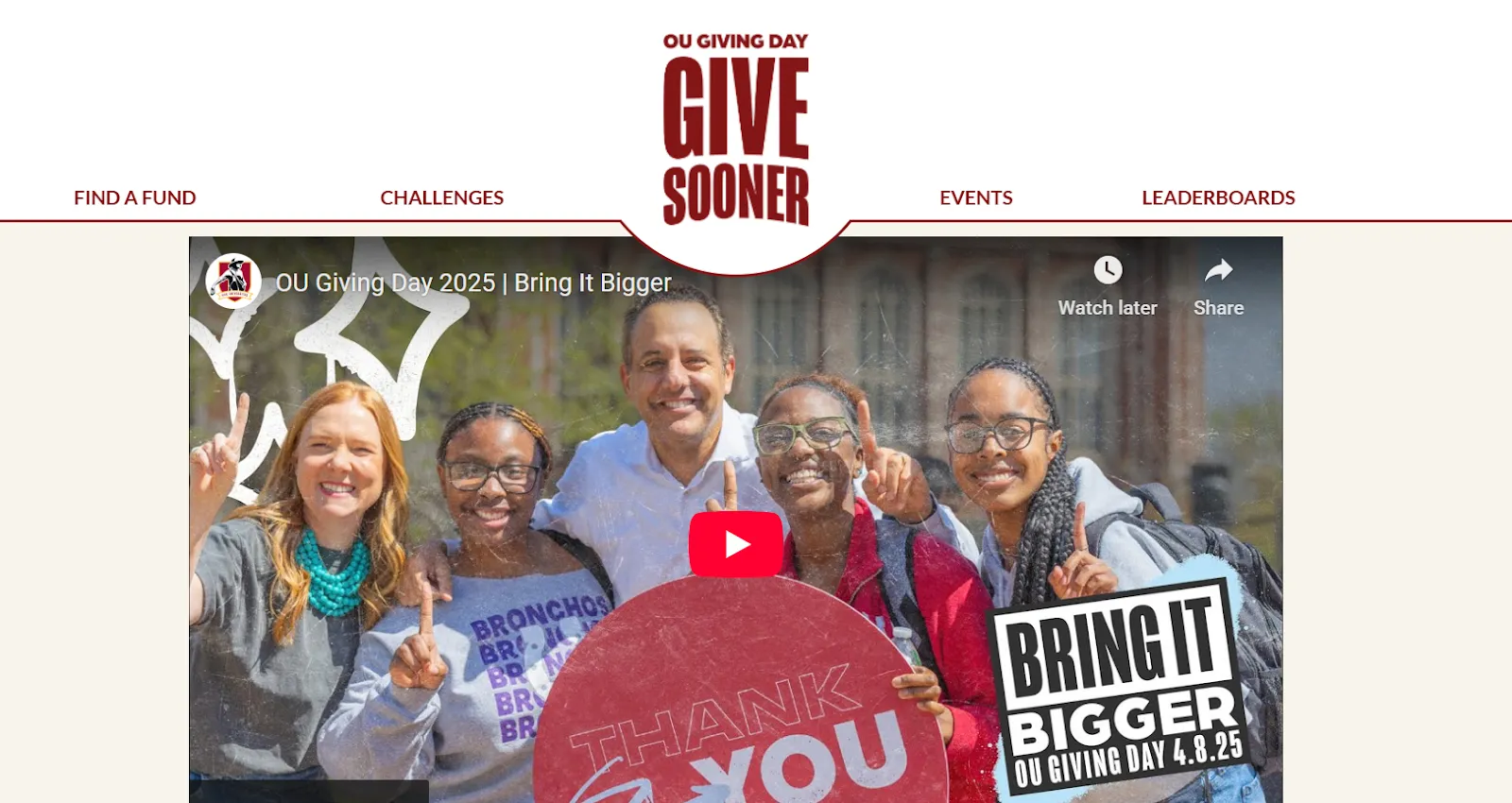
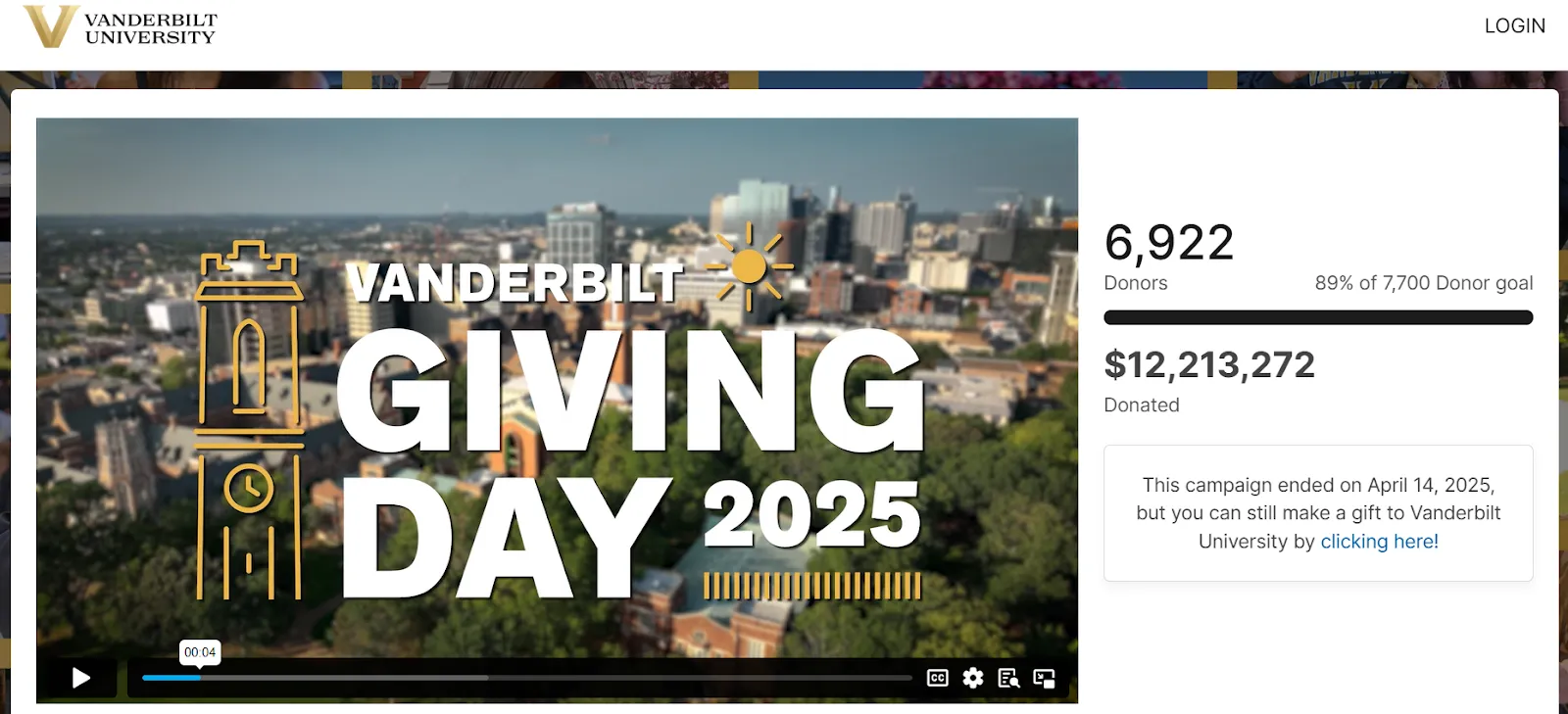
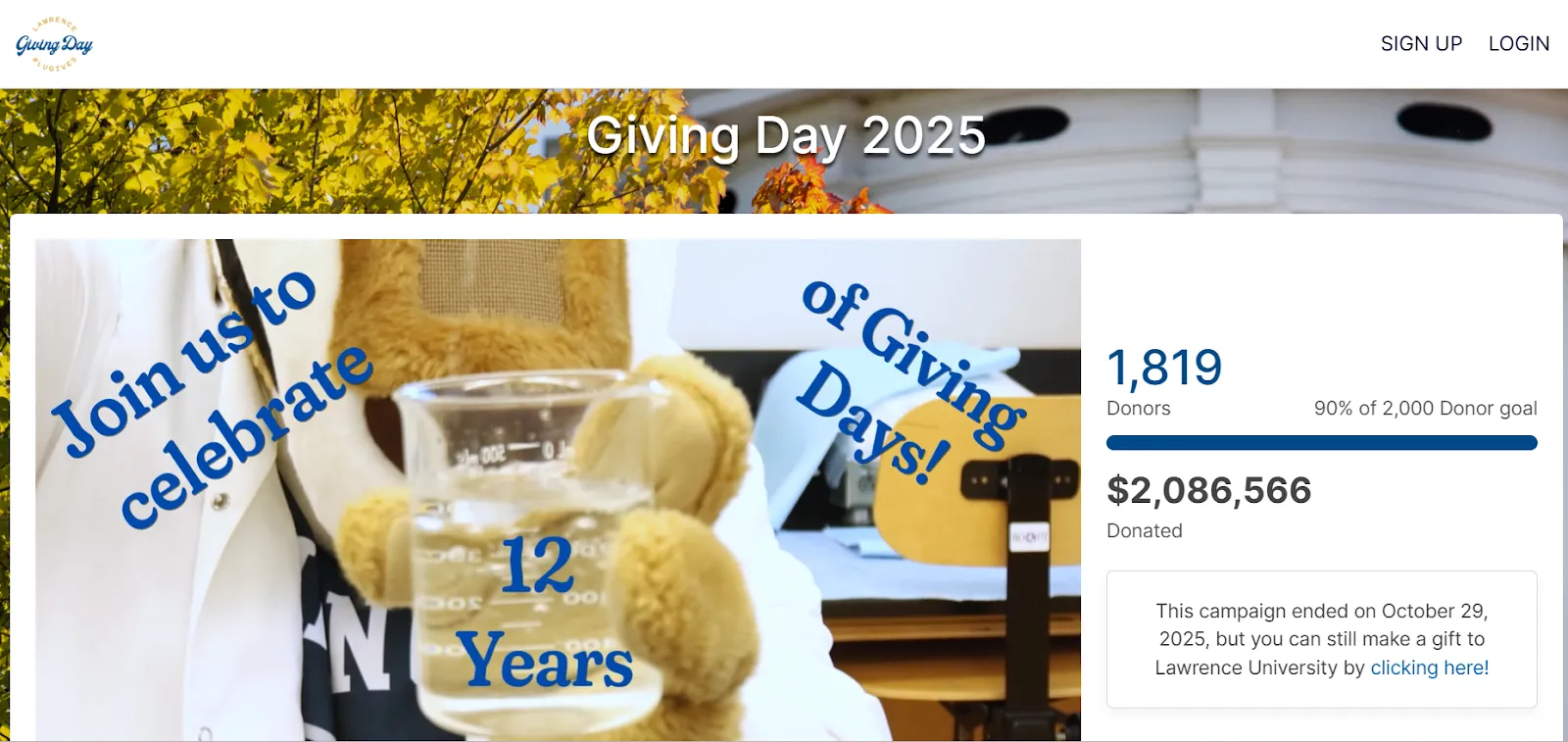
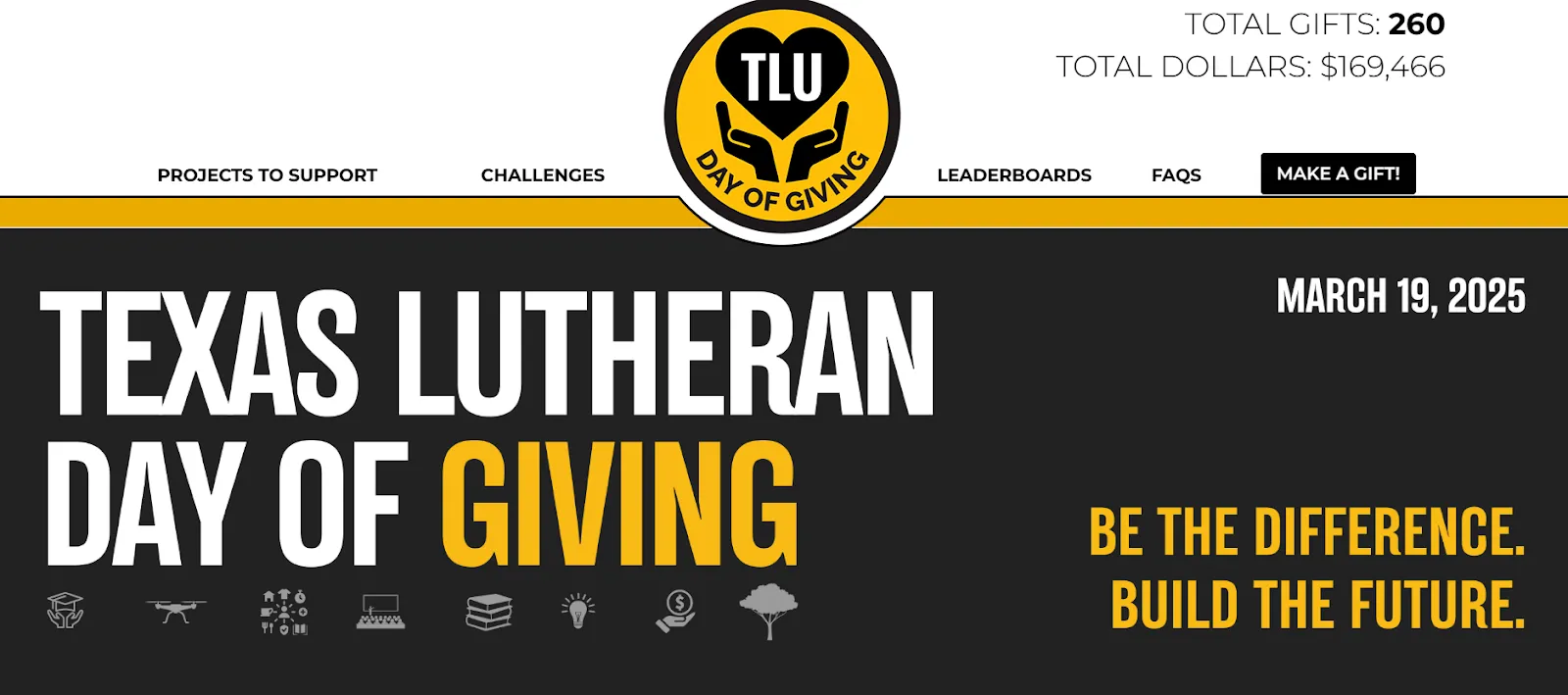
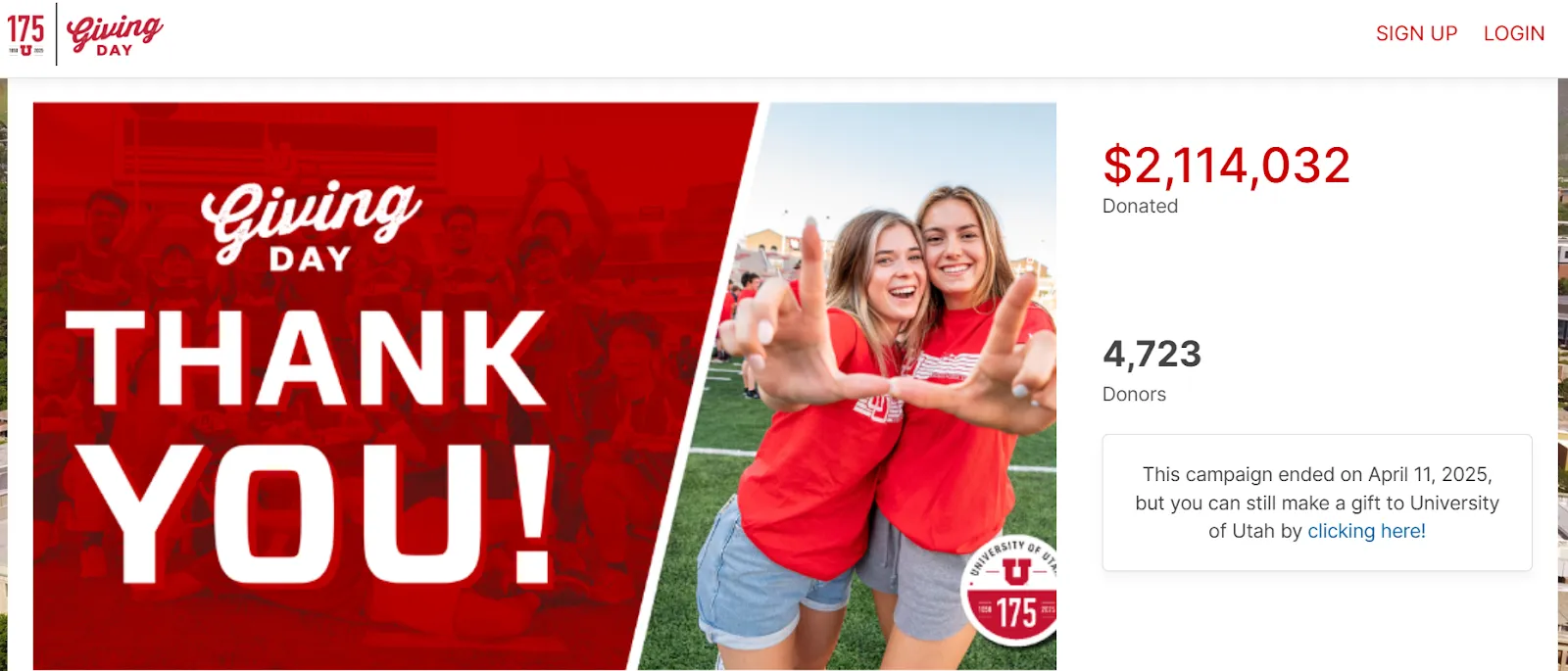
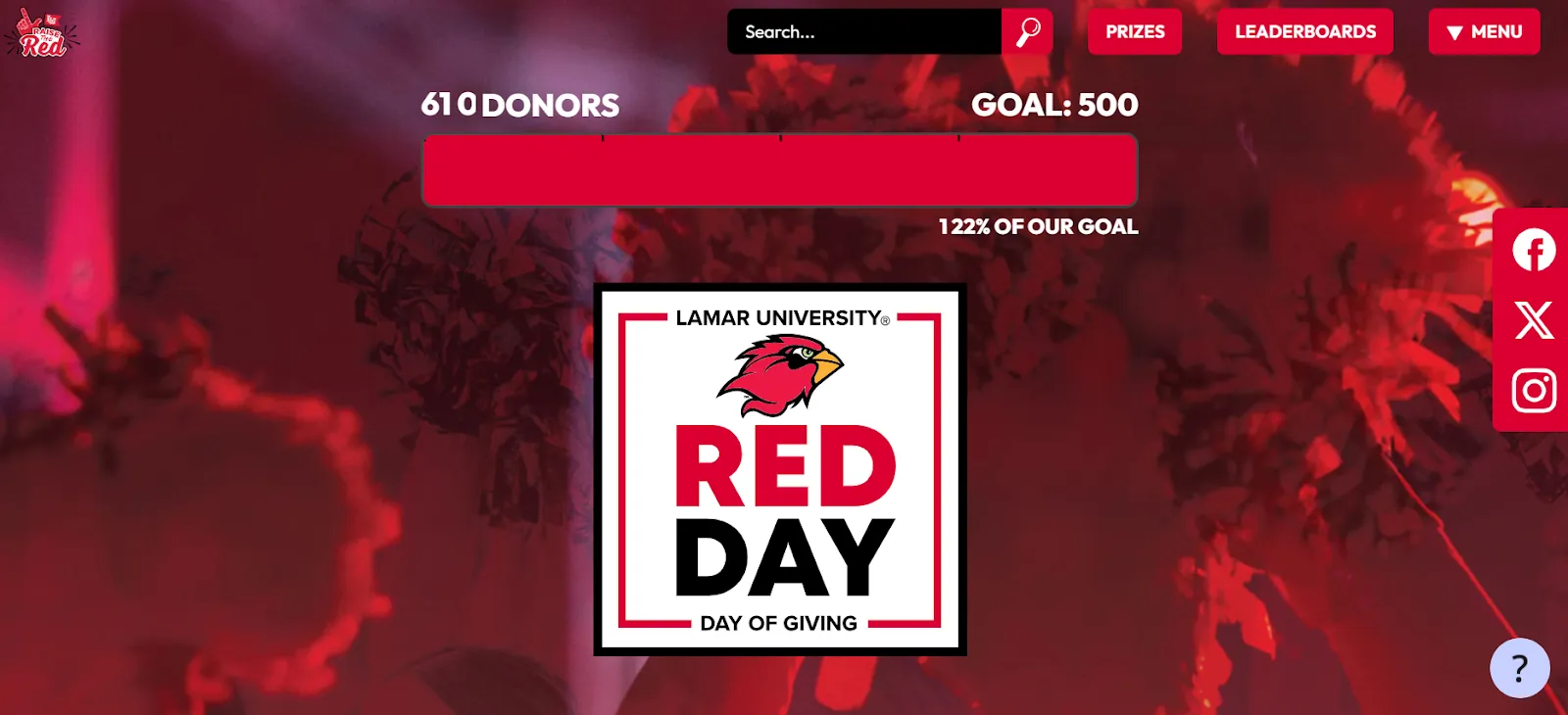
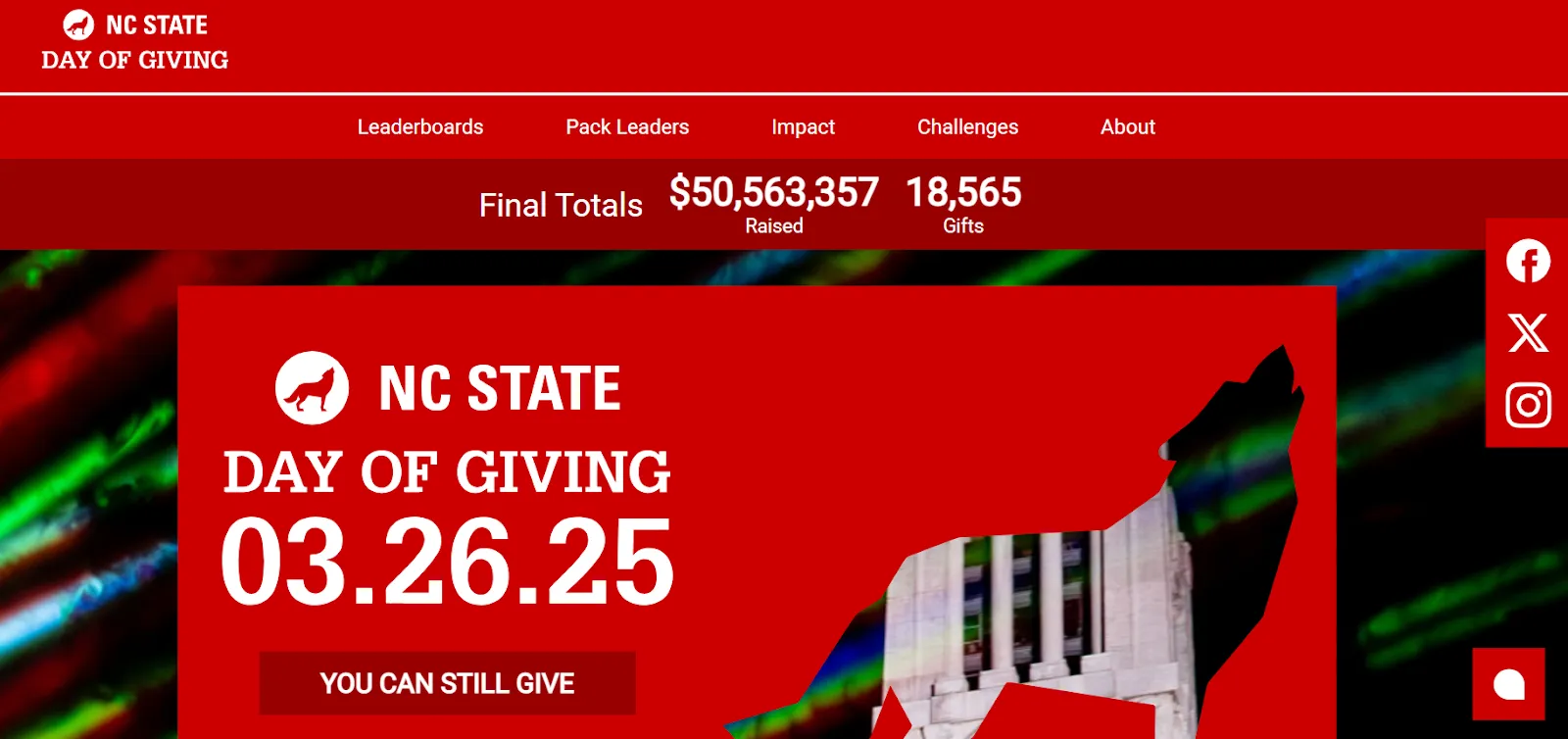
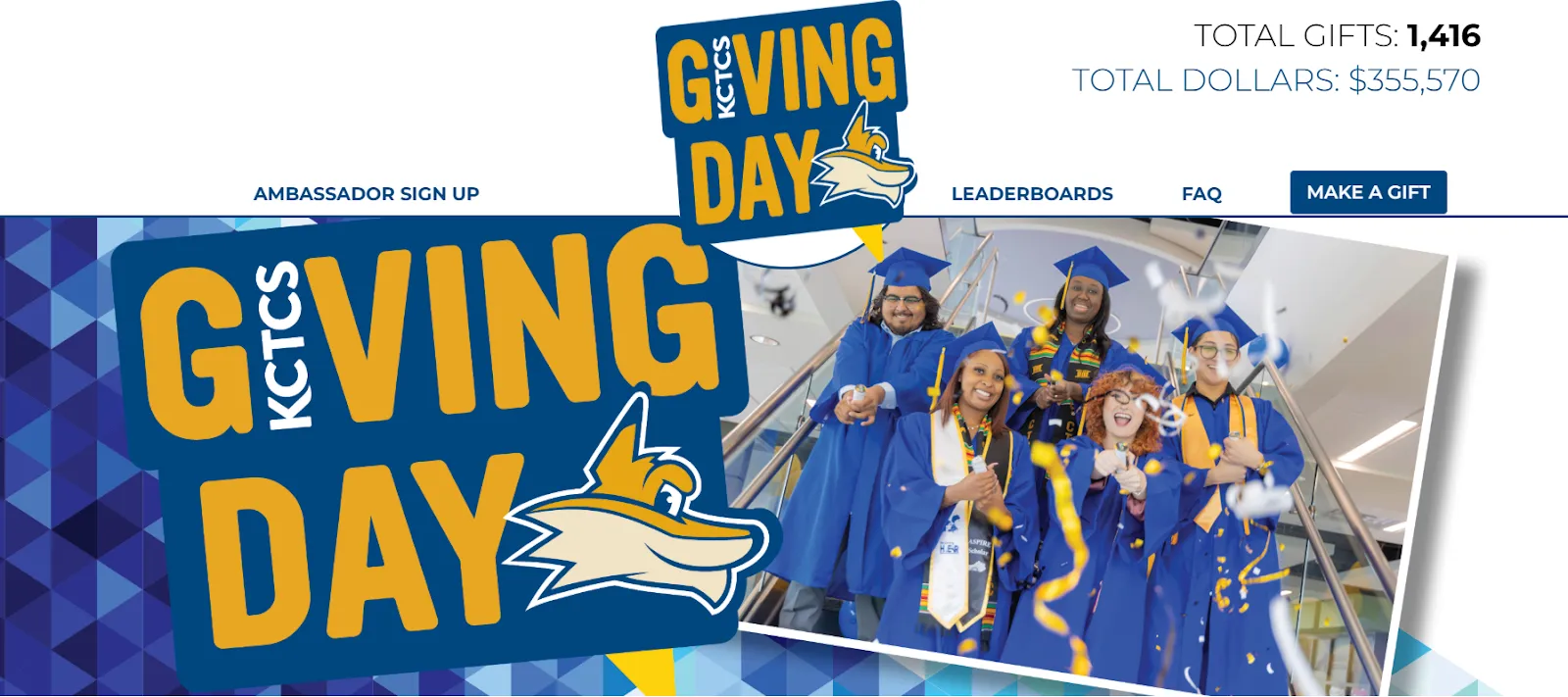
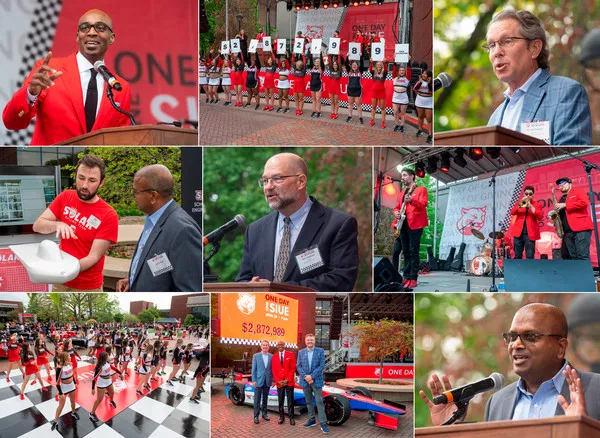
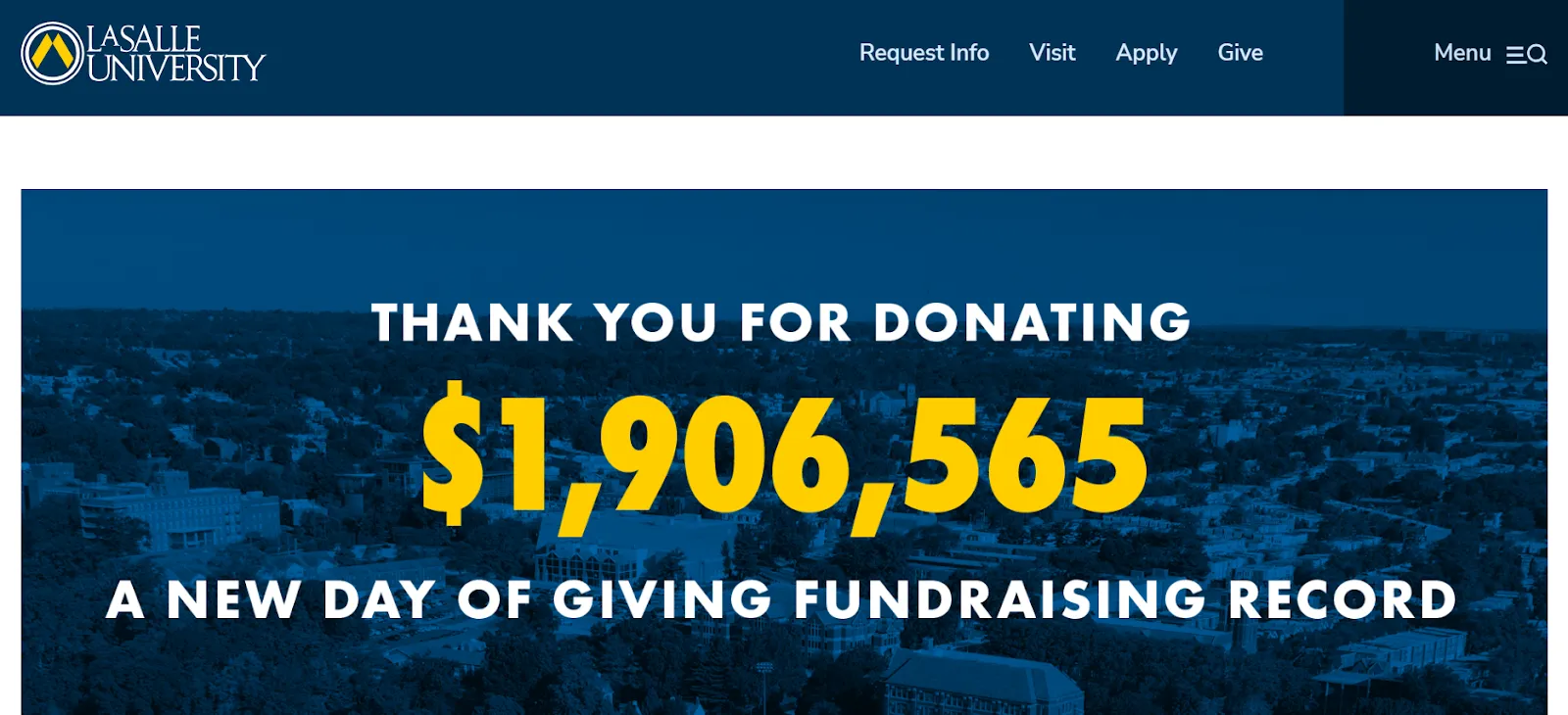
The best giving days feel well-planned, personal, and full of energy. Success usually comes down to a mix of clear goals, good storytelling, and an experience that makes giving easy and enjoyable. When Germanna Community College, along with Almabase, hosted its first 24-hour campaign, it raised $503,855 and hit 168% of its goal because the message was clear and the experience was simple. Similarly, when Boyd‑Buchanan School launched its first-ever Giving Day using Almabase, they surpassed their goal by 201%; thanks to strong peer-to-peer networks, streamlined giving tools, and an outward-looking social campaign. Successful campaigns like these usually share a few traits:
To dig deeper into the features and setup that help campaigns perform this well, check out the Almabase blog about giving day platforms and features
So far, Giving Days in 2025 have revealed a few clear patterns in how universities are rallying their communities and breaking records. Here are some common threads that stood out across campuses this year:
The successful campaigns are the ones that plan, use data wisely, and make participation effortless. Here’s a checklist to help you build one that actually delivers-
2025 has marked a real shift in how higher ed approaches giving days. What started as 24-hour fundraisers has become powerful engagement platforms uniting alumni, students, and staff around shared goals that outlast the campaign itself. Across the country, institutions have broken participation records, grown first-time donor counts, and used these short, high-energy events to strengthen long-term loyalty.
The common thread has been smarter storytelling backed by data. The best campaigns this year didn’t rely on chance; they understood their audience, shaped messages that resonated, and used real-time insights to adjust on the fly. That’s where higher-ed fundraising is heading: intentional, personal, and measurable.
If you’re looking to make your next giving day easier to manage and more effective, book a personalized demo with Almabase and see how you can turn your campaign into something that truly moves the needle.

Top 10 University Giving Days That Stood Out in 2025
Giving Days are a huge part of any advancement fundraising calendar. We picked out 10 inspiring giving days that happened in 2025 to see what we can learn.
Best practices

.svg)