Discover 18 silent auction basket ideas that raise 20-30% more for schools and nonprofits. Themes, sourcing tips, and pricing advice to spark bidding wars.
Prajnya Yelamali
Published:
April 23, 2026
Updated:
May 5, 2026
.avif)
Discover AI Summary
• To significantly boost silent auction bids, prioritize experience-based and locally sourced items over generic physical goods, as these consistently generate 20-30% more excitement and funds. Think beyond standard gift cards to truly unique local experiences and artisan goods that will capture your audience's attention.
• When designing your baskets, remember the three essentials for a standout item: a clear, appealing theme; at least one compelling experiential item; and an opening bid set smartly at 30-50% of its fair market value. This strategy helps to kickstart competitive bidding and maximize donor participation during your fundraising events.
• The post shares specific, creative ideas like a "Principle for a Day" experience for school fundraisers or a "12 Date Nights" package for galas, showing how tailored, memorable offerings resonate deeply with different donor segments. These unique concepts can significantly elevate your fundraising campaigns.
• Leveraging local partnerships for items like cooking classes with a local chef or boutique hotel stays not only makes your baskets unique but also builds stronger community ties. This approach enhances the perceived value and brings fresh engagement to your events.
• Don't overlook opportunities for broader community involvement, such as running a pre-event poll to crowdsource "The Survey Basket" or curating a "Neighborhood Guide Basket" from local artisans. These tactics increase anticipation and foster deeper engagement before the bidding even begins.
• Ultimately, a successful silent auction extends beyond the event itself, contributing to sustained donor relationships and cleaner CRM data for future outreach. An integrated platform like Almabase can streamline event registration, personalized communications, and gift tracking to support your entire fundraising journey.
Picture the basket nobody glances at twice - shrink-wrapped, full of gift cards to popular stores and individually wrapped chocolates. It’s sitting next to a hand-packed wooden crate with a local chef's sauce, a pottery mug from a neighborhood studio, and a card that reads "Saturday Morning Trek in Our City." Both probably cost the same to assemble, but only one of them starts a bidding war.
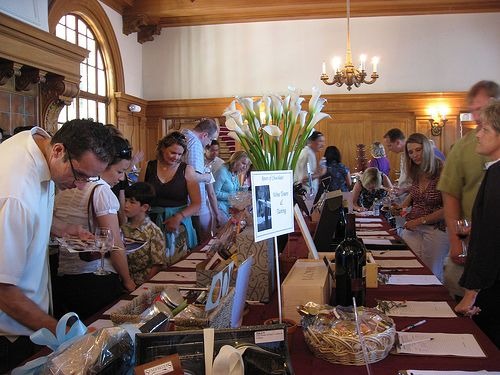
Research shows that experience-based and thoughtfully curated auction items raise 20 to 30 percent more than generic physical goods. This guide is for fundraisers putting those baskets together, whether for a school event, nonprofit gala, alumni weekend, or a community fundraiser. Below, you'll find 18 silent auction basket ideas, each with sourcing suggestions and best-fit audiences.
Baskets are easy to assemble: local businesses say yes, item prices are flexible, and a good theme easily travels from a school event to a nonprofit gala. Community-sourced items consistently out-earn generic catalog items, because a "Spa Day at [local wellness center]" carries weight a generic "$50 massage voucher" won’t. Local sourcing also gives you the flexibility to tailor baskets to different audiences, such as parents, alumni, donors, teachers, and local supporters.
There are maybe ten seconds before someone at the bidding table moves on. In that window, three things do the most work.
A bidder scans the table looking for something that catches their eye. The faster your basket answers "who is this for and what does it feel like to receive it," the better. BidBeacon recommends including a few items that clearly fit your theme, plus one standout piece that's valuable enough to drive competitive bidding.
Experience-based items raise 20 to 30 percent more than physical goods because winning one feels like getting access to an experience rather than collecting another mug for your crowded kitchen shelf. A cooking class, a fitness studio pass, a photographer session: these become the centerpieces that give the whole basket its pazazz.
The opening bid sets expectations in both directions - too low, and the basket reads as low-value; too high, and it doesn't get an early bid to anchor against. LuxGive recommends starting at 30 to 50 percent of fair market value, which tends to invite that first bid and let competitive psychology take over from there.
The audience here usually falls into a few predictable groups: parents who want a special memory from the year for their kids, community members drawn to anything that helps the school, and grandparents who will outbid everyone for something their grandchild's class made together.
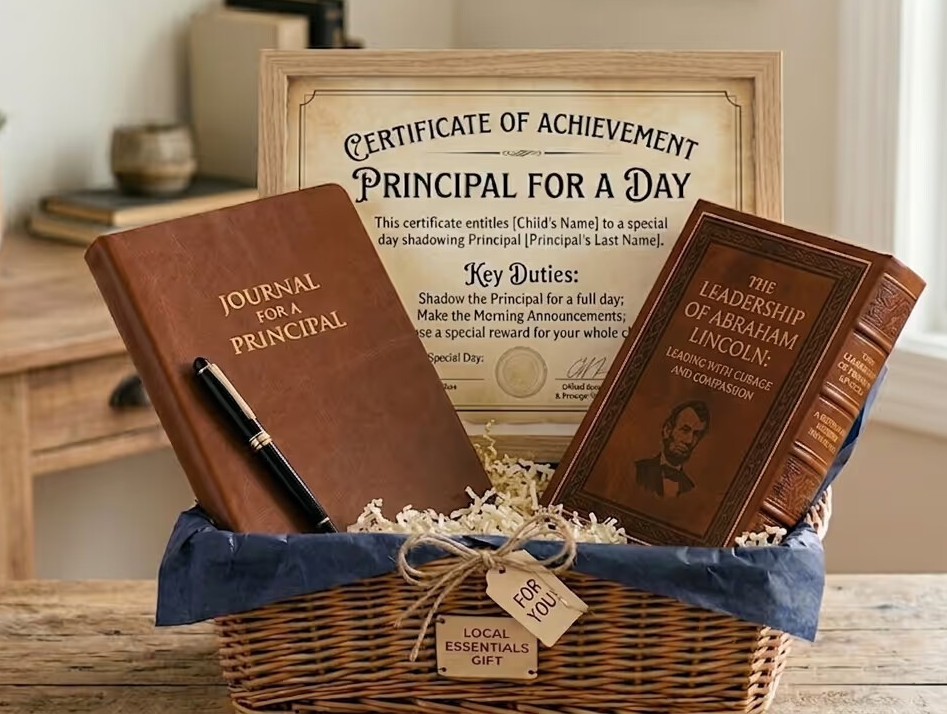
Principle for a day - the experience basket. This basket offers something that doesn't exist outside your school: a certificate for the winning child to shadow the principal for a day, make morning announcements, and choose a reward for their class. That specificity is what drives the bid; you can’t buy this at Staples.
What to include:
Best for: Elementary school fundraisers. For parent bidders who want to give their child a story to tell from the school year.
Pro tip: The experience basket can be adapted for any staff role - librarian, PE coach, cafeteria supervisor, and you've got a whole new basket
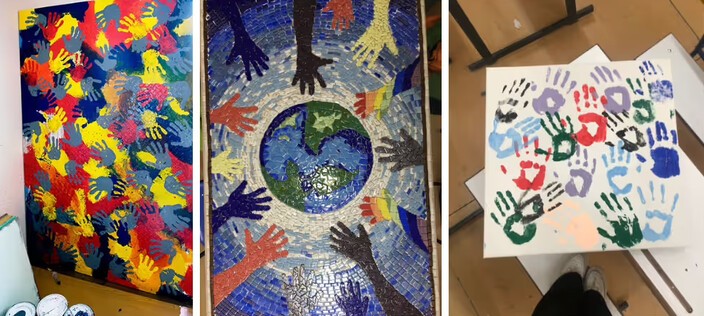
Every student in a class contributes to a collaborative piece of art: a painted canvas, a mosaic tile, a hand-stamped painting. The winning bidder takes home something that exists nowhere else on earth. The backstory of this project is the whole pitch.
What to include:
Best for: K-8 schools; parent and community bidders; particularly impactful at schools with arts programs.
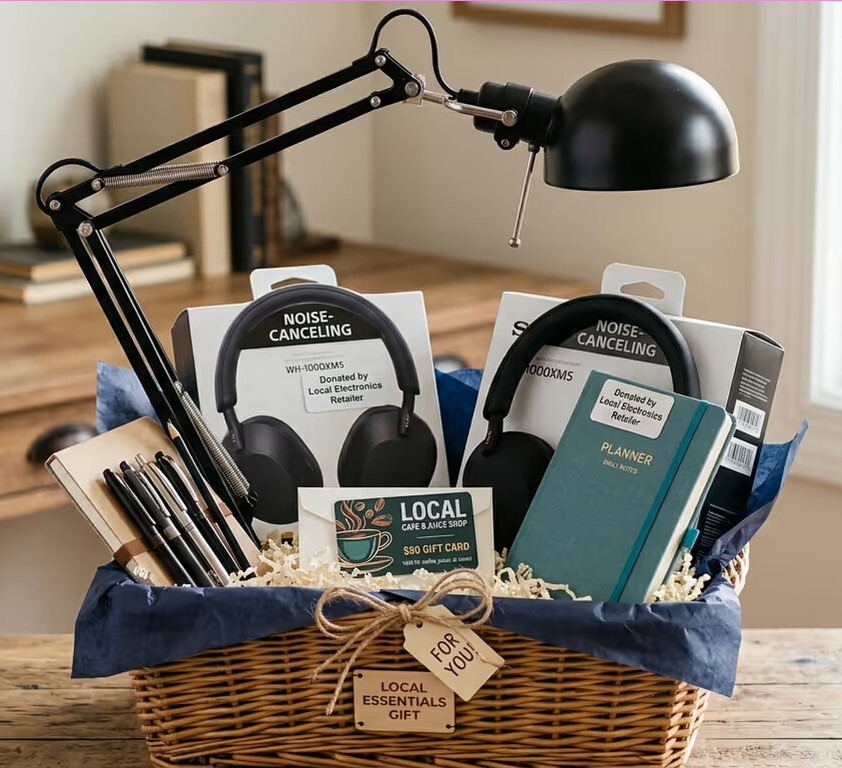
For middle and high school fundraisers, the baskets that do well usually connect to the specific stage of school life the kids are in. This one speaks to the parent who is already quietly thinking about what the next few years will look like.
What to include:
Best for: Middle and high school audiences, particularly strong with parents of juniors and seniors.
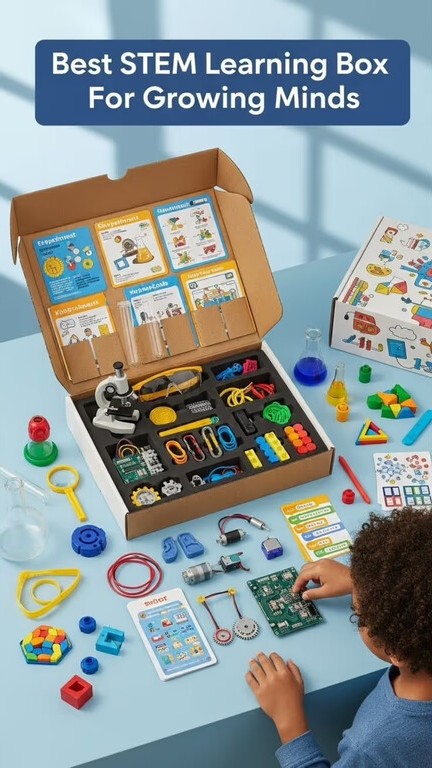
A great option for K-8 audiences where the bidding energy comes from parents who want to buy something that’s genuinely interesting for their kids and also directly useful for their school curriculum. The subscription box shows ongoing value, which makes the basket feel worth more than the individual items inside.
What to include:
Best for: K-8 fundraisers and STEM-oriented parent communities.
Pro tip: Reach out to STEM subscription companies directly and share your school’s 501(c)(3) information. Many do have donation or education-support programs that respond faster than general customer-service enquiries.
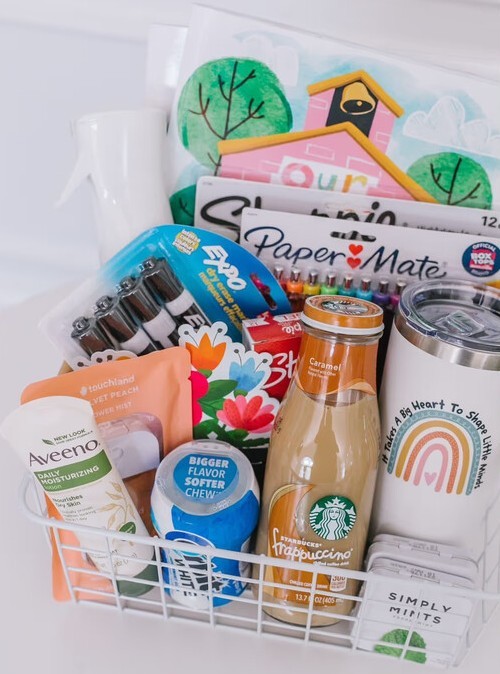
Before the event, survey your faculty. Ask what they'd actually want, not what a planning committee assumes teachers want. Build the basket from the real answers, and mention the source in the basket description at the event with a bit of humor. That extra effort and the funny detail give the basket an edge that a generic “teacher appreciation” basket doesn’t have.
What to include:
Best for: The Whole school community; families who want to give something meaningful back to their child's teachers; best at beginning-of-year and end-of-year events.
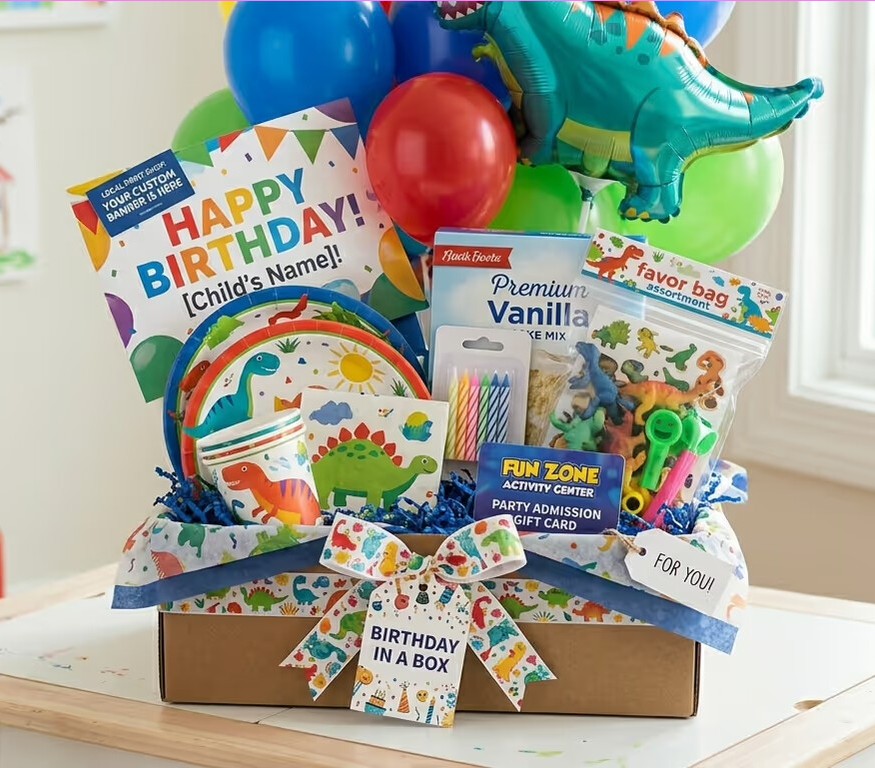
For parents of young kids, planning a birthday party is a yearly stress test. This basket takes away at least some of that stress, if not all. Any parent who’s been through it will recognize exactly what it offers.
What to include:
Best for: Elementary school audiences with young families; best at back-to-school and spring semester fundraisers.
Pro tip: If your parent community includes someone who does event planning or parties, ask them to donate a coupon. It adds real value and puts their name in front of an audience that will likely need their services soon.
These audiences have typically attended many of these events. They’ve seen all the standard basket types, and they’re not likely to get excited about anything that feels like a placeholder. The ideas below are specific - in theme or in how they’re put together. They will feel fresh in a room full of experienced donors.
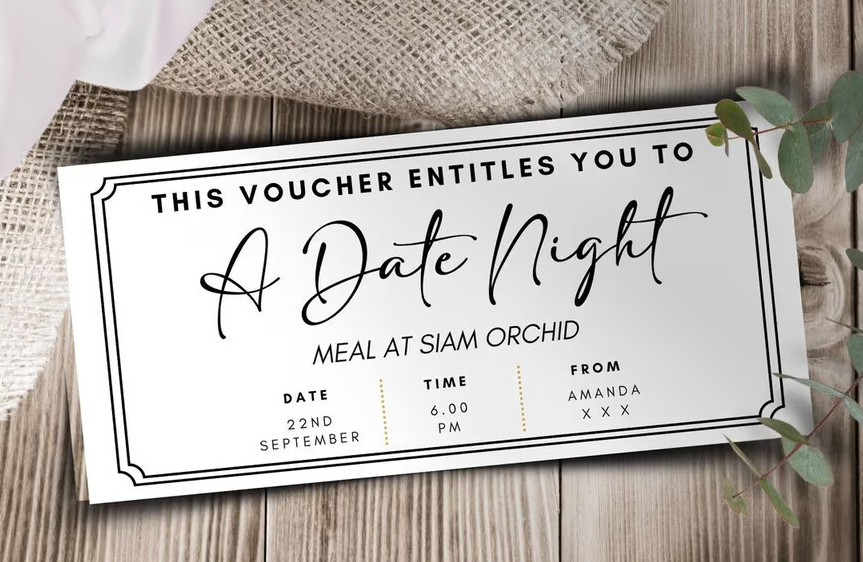
A single dinner gift card is appreciated. Twelve of them - one per month, to a rotating set of well-regarded local restaurants is something people will actively try to win.
What to include:
Best for: Couples, young professionals, busy parents who'd genuinely use a monthly reason to get out; strong at galas and alumni events.
Pro tip: Approach the restaurants together, framing the "Year of Date Nights" as a package. Restaurants are more generous when they know they're featured alongside other well-regarded local spots. They're part of a curated package and not just donating free dinners.
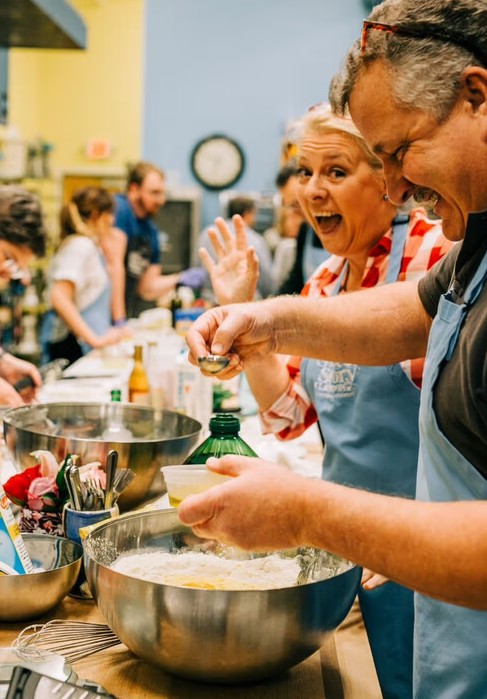
Cooking classes with a local chef consistently land among the higher-bidding items at nonprofit events. Mainly because they're hard to arrange on your own. Winning this will feel more like an invitation than a purchase.
What to include:
Best for: Foodie donors, couples, professional communities; strong at spring and fall galas.
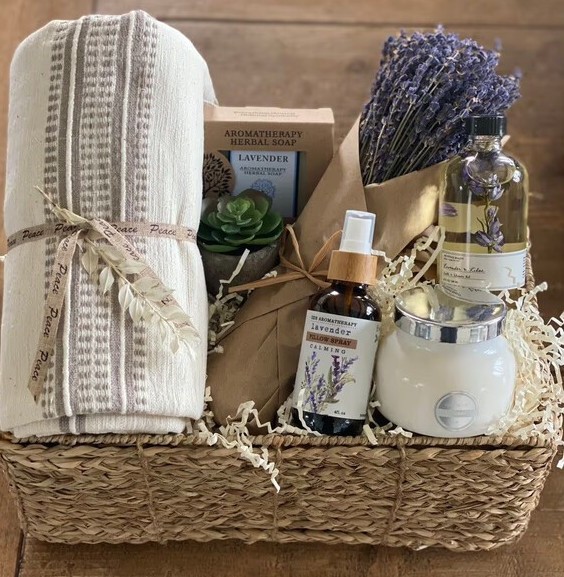
The version of this basket that wins bids goes well beyond a standard spa basket. The difference comes down to specificity and quality. For example, a membership to a local studio instead of a generic coupon, high-end skincare instead of a department store brand. Basically, items that come together around an idea of what it really means to relax and restore yourself.
What to include:
Best for: Professional donor communities; women's organizations; health-focused nonprofits; best at spring galas.
Pro tip: Approach the fitness studio as an event wellness partner and not just as a basket donor. Studios are often actively looking for community partnerships.
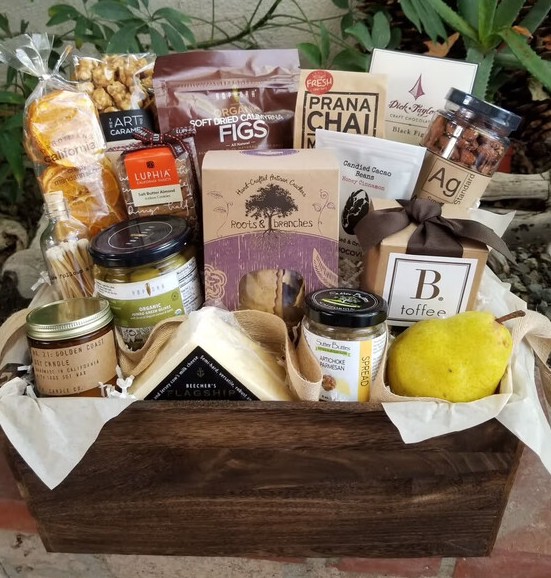
Every item in this basket comes from a local artisan or small producer, which means every item comes with a story. At a gala full of experienced donors who have bid on baskets after baskets of mass-produced items, something handmade and artisanal will hit the spot.
What to include:
Best for: Community-centered nonprofits; arts organizations; for any event/community with a "buy local" ethos.
Pro tip: Source the whole basket at a single local artisan/farmers market. You build multiple donor relationships in one trip, and "every item in this basket was made in our community" becomes its own selling point at the table.
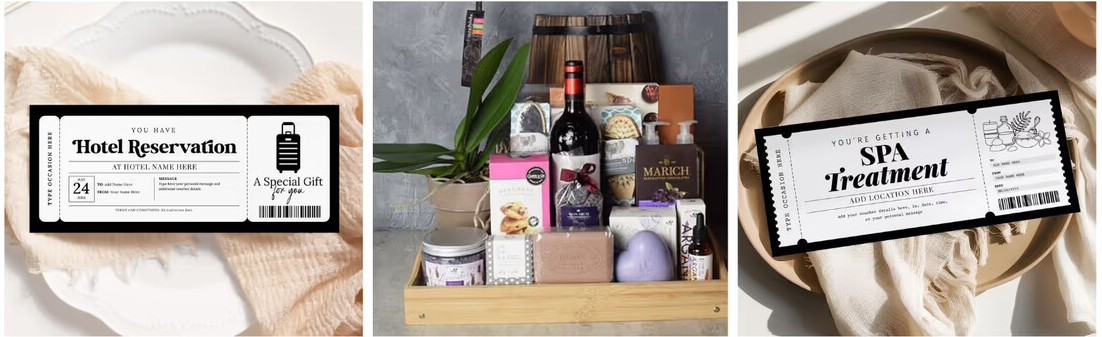
The version of this that actually draws bids makes the weekend feel fully formed and ready to go. Clear, specific details give bidders an immediate sense of the experience, so they can picture themselves already there and relaxing.
What to include:
Best for: Professional donors; couples and singles alike; best at galas and alumni events where attendees are busy professionals who need a break but won't take one unless it's handed to them.
Pro tip: Boutique hotels are significantly more open to donation partnerships than chains. Community visibility is a genuine advantage for them in a way that it isn't for national brands. You can make that part of your pitch.
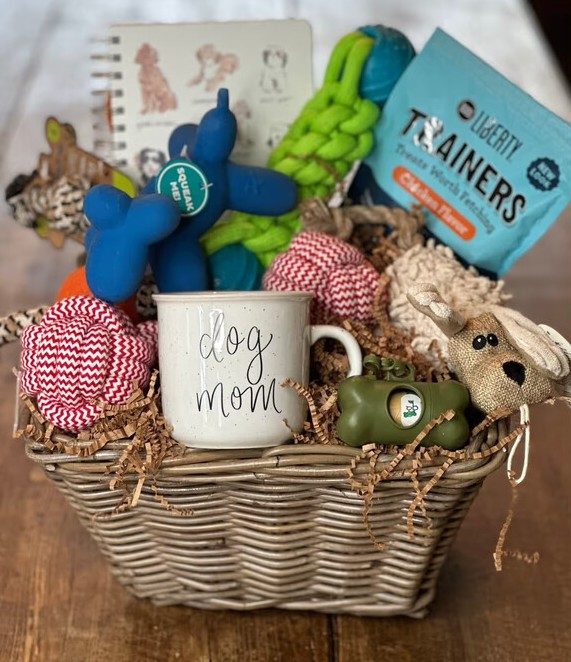
Pet owners are a loyal and enthusiastic group at auctions, but they’re often underrepresented at the bid table. A well-made pet basket can quickly become one of the most talked-about items in the room and spark the kind of competitive bidding that draws a crowd.
What to include:
Best for: Community nonprofits; animal rescue organizations; any event where a meaningful portion of the room might own pets.
These ideas don't belong to one event type. With light adjustments, they move from elementary school auctions to nonprofit galas to alumni events.
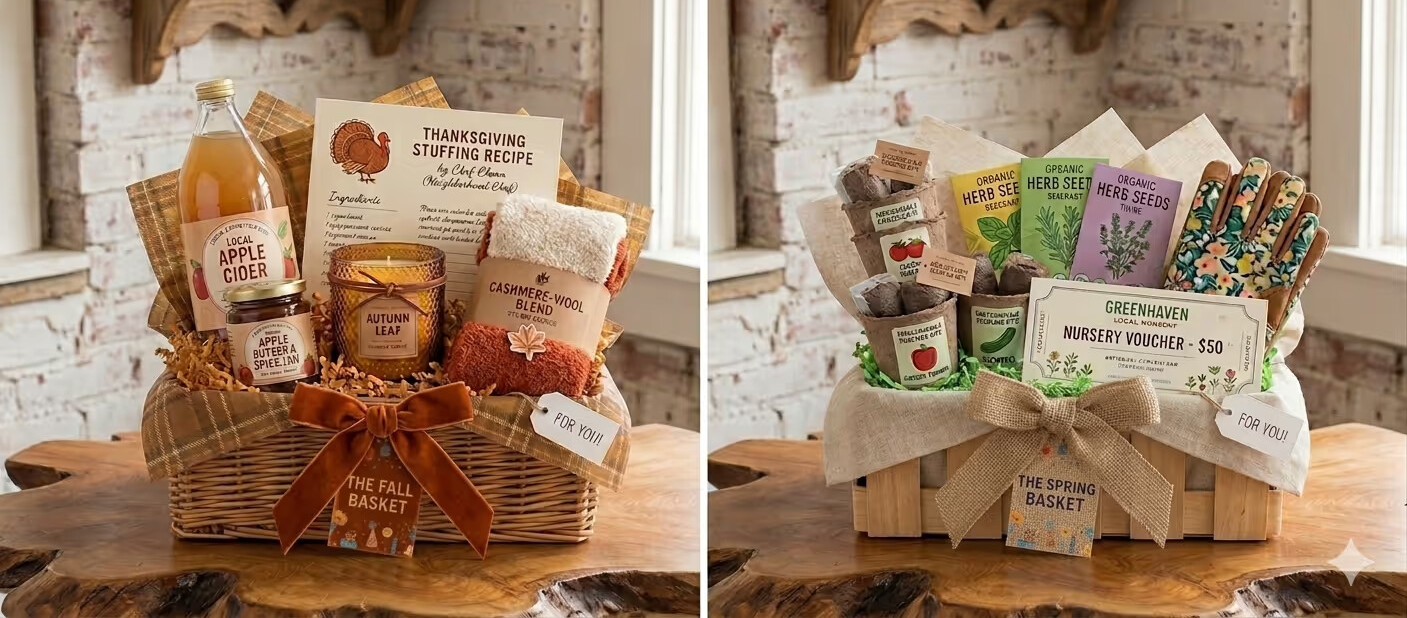
Seasonal relevance creates a different kind of urgency at the bid table, the sense that this basket is specifically for right now.
What to include:
A fall version can have:
A spring version can have:
Best for: Any event timed to a season; works for family audiences and professional donors alike.

This basket appeals to professionals who travel often - a group that shows up in strong numbers at galas, alumni events, and tends to bid on things they’ll actually use. The right mix of items makes frequent travel feel easier while still feeling a bit indulgent.
What to include:
Best for: Big galas, alumni events; Events with a strong base of frequent travelers.
Pro tip: An airport lounge day pass is a relatively low-cost addition that feels genuinely valuable to anyone who spends a lot of time in airports.
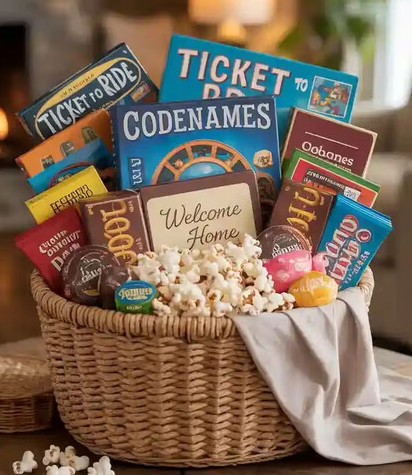
This basket works across age groups. It brings together everything needed for a relaxed, social evening, and the specific game choices help the basket feel thoughtful rather than generic.
What to include:
Best for: Family audiences at school events; younger professional donors at nonprofit galas; mixed-age events.
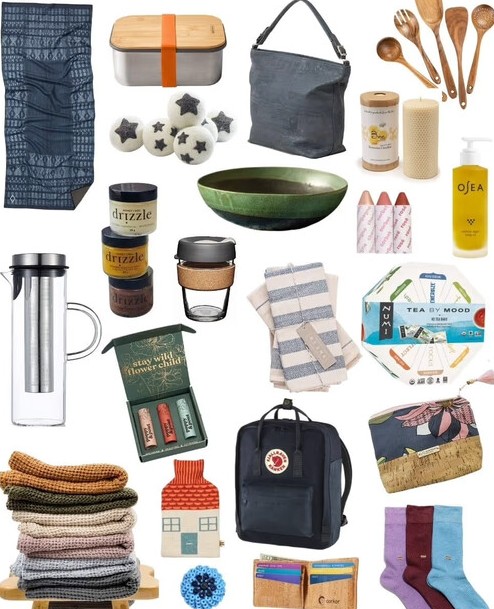
This buzz about this basket starts before the event. Poll your community through a parent newsletter, email list, or social media and ask what they’d most like to see in a silent auction basket. Then build it using the top responses and name it something like “The One You Asked For.” The process creates a sense of involvement early on, and the people who voted feel a stronger pull to bid on it.
What to include:
Best for: Schools with active parent associations; nonprofits with strong email lists; any community with high pre-event engagement.
Pro tip: Share the poll results in your event communications before the auction. It keeps the basket part of an ongoing conversation and builds anticipation.
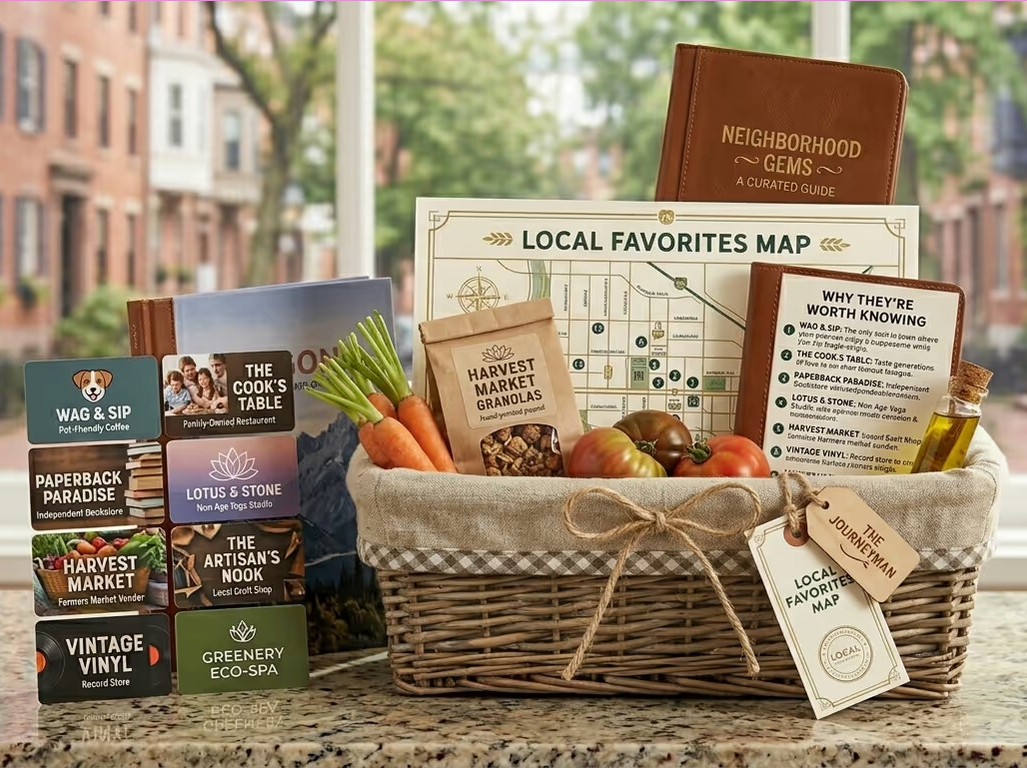
This basket highlights the best of the neighborhood. Include gift cards to six or eight local spots - a pet-friendly coffee shop, a family-owned restaurant, an independent bookstore, a new age yoga studio, a farmers market vendor - along with a simple map showing where each one is and a short note about why it’s worth knowing.
This basket tends to hold people’s attention at the table longer; more time at the table often means more competitive bidding.
What to include:
Best for: Community organizations; place-based nonprofits; any event with a strong geographic anchor.
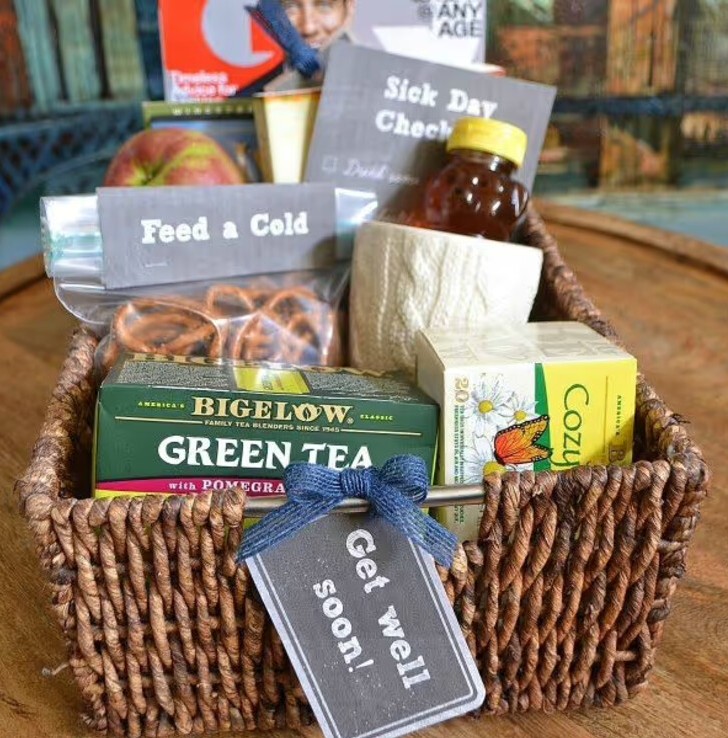
This basket is built for a very specific moment: when someone is sick, worn out, and just wants to feel taken care of. The more thoughtful and well-chosen the items, the more it feels like real relief rather than a generic comfort bundle. The basket name and item list together should answer one question: after what kind of week would someone really be thankful for having this basket around?
What to include:
Best for: Broad audiences - works well with families, professionals, and mixed-age donor groups; best at any event at the start of a new season/the flu season.
Pro tip: Add a simple “doctor’s note” style card with light humor. It makes the basket feel more personal and will make the winner chuckle through their blocked nose when they finally use it.
A silent auction does not start when the doors open. It starts when the first invitation hits someone's inbox, and it does not end when the winning bid is logged. What happens in the weeks before and the days after determines whether that night builds into something or stays a one-time event. Almabase is built for that full journey.
Almabase centralizes registration and ticketing in one place, so your team doesn’t have to juggle multiple systems in the days leading up to the event. Make it easy for your attendees, donors, parents, alumni, and supporters to register for your fundraising event by using a platform that integrates everything.
Send targeted reminders, invitations, and updates to the right audience segments before and after the event. Almabase helps you tailor communication for returning attendees, first-time supporters, and everyone in between.
The supporters who show up for a silent auction are exactly the people worth staying in touch with. Almabase gives teams the tools to keep that conversation going after the event closes - through community features, engagement tools, and communications.
Create a smoother path from participation to giving. Almabase connects event attendance, donation pages, and gift tracking, so supporters can move naturally from showing up to making a gift without switching platforms. Learn more here.
Capture the engagement data your team needs to strengthen future campaigns, donor outreach, and event planning. Almabase syncs this information to your CRM in real time, helping you build on each event rather than starting over.
If your school or nonprofit wants to run smoother, more effective fundraising events, especially if you're managing multiple events a year across disconnected tools, it’s worth exploring a more integrated approach. Almabase can help create a more organized, engaging experience for your community. Book a personalized demo to learn more!
Table of Contents
Subscribe
See how modern advancement teams bring alumni engagement and fundraising together.
Plan faster. Execute better
Explore free templates designed for alumni and fundraising teams.
.png)
%20(1).png)

I fall right between Gen Z and Millennials, a Zillennial, if you want to get specific.
I'm not starting my day with matcha every morning, but I appreciate the vibe. Memes are definitely a love language, but so is a well-organized Excel sheet.
Writing this piece felt oddly personal. Because I am both generations at once.
So when the data on alumni giving from younger graduates landed in front of me, I didn't just analyze it. I recognized myself in it.
Here's what the numbers actually say, and what university fundraising teams need to hear.
The short answer to why Millennials and Gen Z aren't giving to their alma mater: they are giving. Just not to you.
And before you take that personally, it's worth understanding why.
The 2026 National Alumni Survey, gathered from over 82,000 alumni voices across 31 colleges and universities, makes the picture clear:
That's a signal right there.
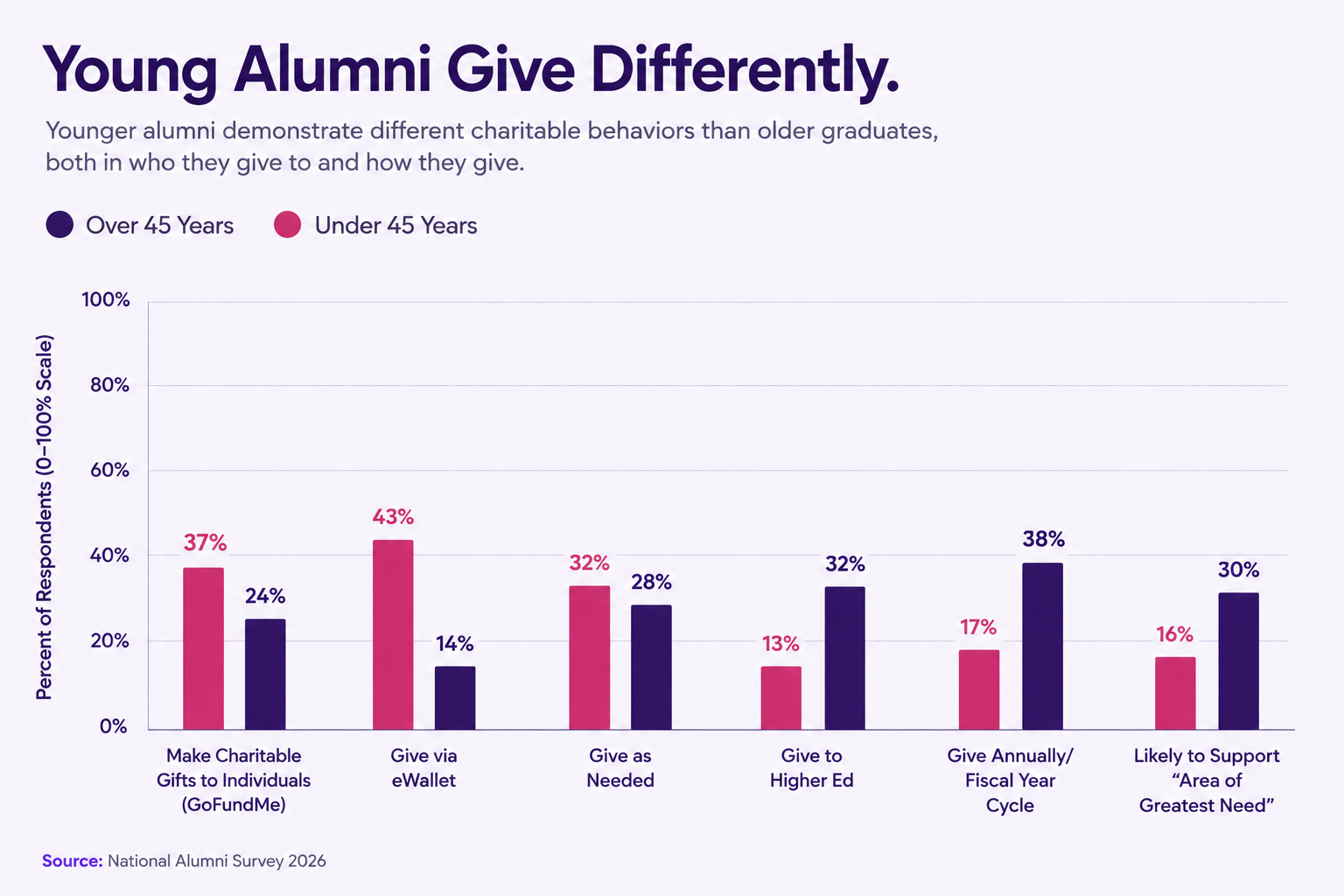
When Millennials and Gen Z give, they give to causes that feel immediate, personal, and visible.
Here's what that looks like in practice:
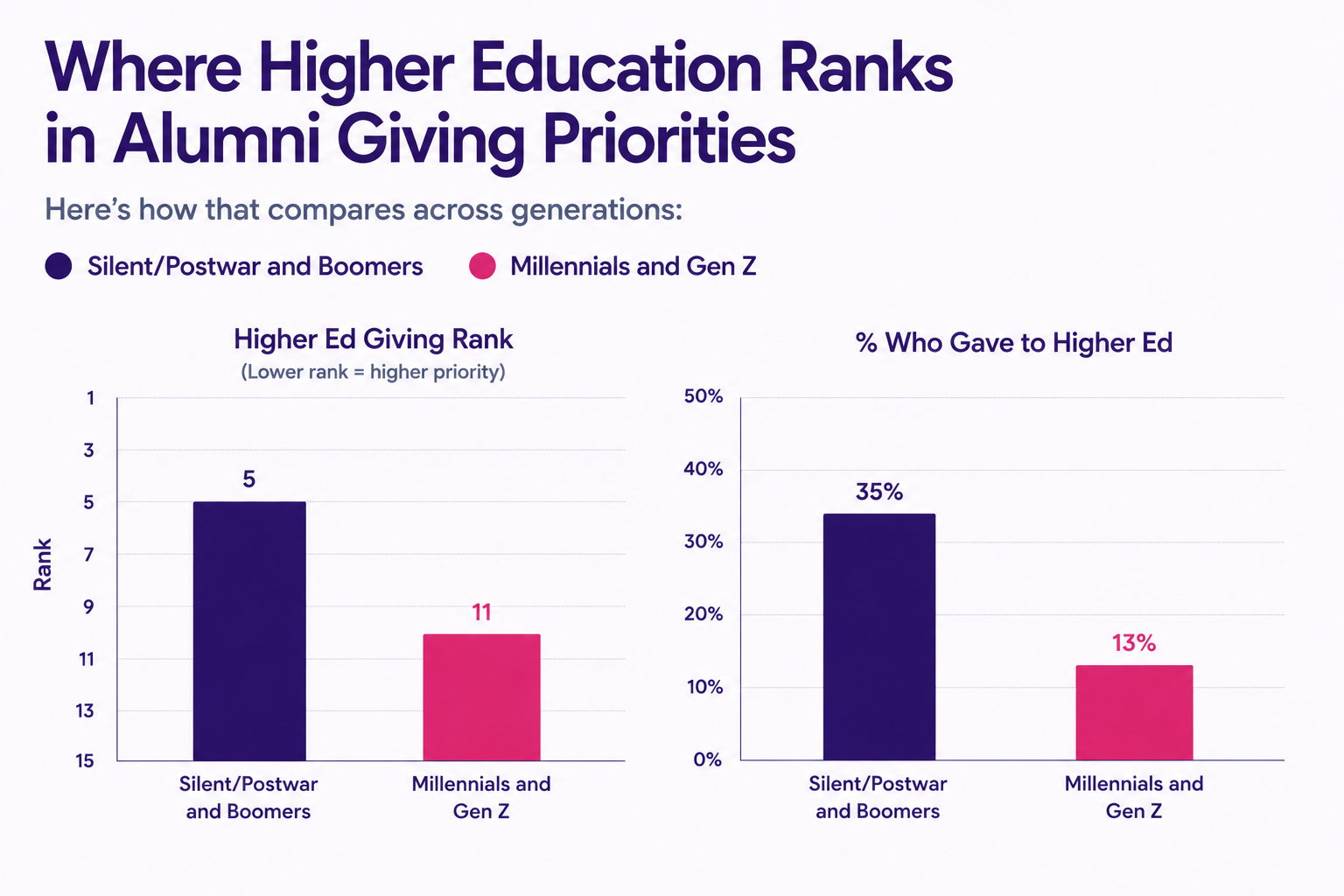
The pattern is clear: younger alumni gravitate toward giving that feels direct. They want to see a face, a story, a specific person whose life changed because of their contribution. Broad, abstract institutional appeals simply don't compete with that.
This isn't a generational quirk. It's a logical response to how younger alumni experience the world and institutions.
Let's break it down:
1. They need to see visible impact.Younger alumni don't give out of tradition or obligation. They give when they can connect their contribution to a real, tangible outcome, like a scholarship that put a first-generation student through graduation or an emergency fund that kept someone from dropping out. When the impact is invisible, so is the motivation to give.
💡For example, the University of North Carolina School of the Arts moved from a “one day, one fund” model to offering over 40 donor-choice funds during Giving Day. [Read More]
2. They prefer immediacy over schedules.Nearly one in three younger alumni give on an "as needed" basis, responding when a cause needs support right now. Only 17% give on a regular schedule, compared to 38% of older alumni. Annual fund cycles and fiscal year deadlines don't map to how this generation thinks about generosity.
3. Institutional trust isn't automatic.Older giving models assumed loyalty. Younger alumni don't start from a place of institutional trust. They extend it based on evidence, transparency, and whether they feel genuinely seen. According to the 2026 National Alumni Survey, 40% of alumni feel disconnected from their institution, and nearly half feel ill-informed about what it's doing. That's not a foundation for giving.
🔥In our recent webinar with Dr Amanda Shoemaker, we unpack what drives young alumni to give. [Watch here]
4. They expect frictionless, digital-first giving.43% of younger alumni give via digital wallets like Apple Pay or Venmo, compared to just 14% of older graduates. If your giving process has friction, you've already lost them.
Here's what you need to know: most advancement teams are still running playbooks written for a different generation of donors.
Annual fund appeals, broad unrestricted messaging, and campaigns built around institutional pride may work for older alumni but they land flat with younger ones. Generic outreach doesn't answer the question younger alumni are silently asking:
"What does this have to do with me, and what will actually change because of my gift?"
Impact storytelling is often delayed, buried in newsletters, or framed around the institution rather than the people it serves. That's the opposite of what works.
The good news is that the data doesn't just diagnose the problem. It points clearly toward what moves younger alumni.
1. Lead with cause-based campaigns.Replace broad annual fund appeals with specific, values-driven opportunities like student emergency funds, mental health services, first-generation initiatives, and campus food pantries. These are the areas where younger alumni see themselves and their values reflected.
Here's what the data shows about which funding areas resonate most by age group:
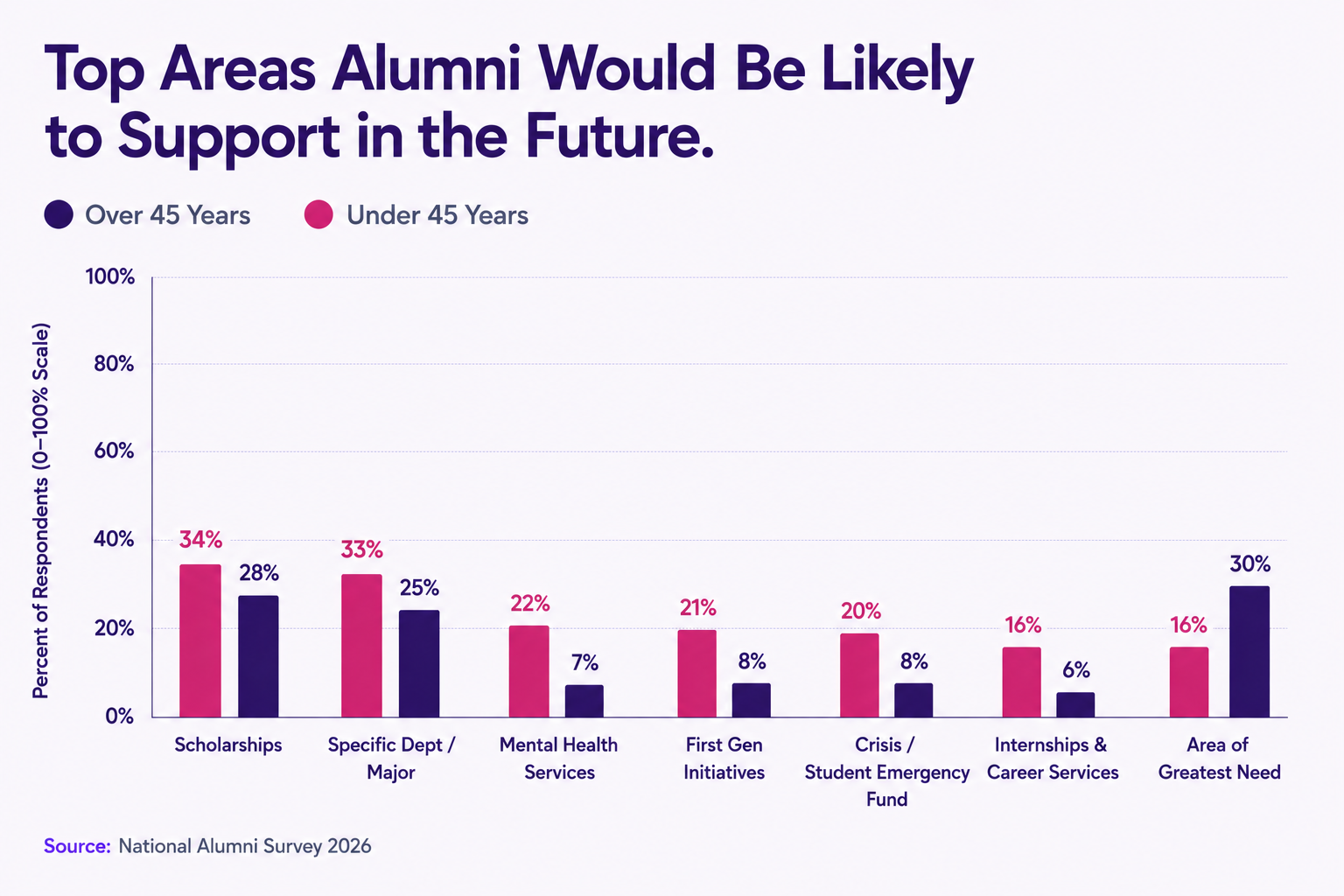
The gap on mental health services, first-gen initiatives, and emergency funds is especially telling. These are causes younger alumni care about deeply, often from personal experience, and they are chronically underpromoted in most alumni giving campaigns.
2. Tell real stories about real people.The shift toward GoFundMe-style giving is a signal, not a trend to dismiss. Younger alumni want to know who they are helping. Put a name, a face, and a specific situation at the center of your ask. The institution is the vehicle. The person is the story.
💡Alumni Association of the School of Medicine of Loma Linda University saw success by tying campaigns to real outcomes and beneficiaries, helping donors understand not just what they’re giving to, but who they’re helping. [Learn more]
3. Make online giving frictionless.Offer digital wallet options and mobile-first experiences that simplify online giving. Create time-bound, shareable campaigns like Giving Days that feel communal and immediate. Younger alumni are more likely to give in the moment than on a schedule, so meet them where they are.
4. Acknowledge debt without making it awkward.Student loan debt is a real factor for younger alumni, particularly alumni of color and women. But here's what the survey found: 77% of those burdened by debt still give to other organizations. The barrier isn't financial capacity. It's relevance and trust. Acknowledge competing financial pressures in your messaging without pressure or apology, and focus the ask on collective impact rather than individual sacrifice.
💡Is Your Higher Ed Website Meeting Gen Z’s Expectations? Audit your higher ed website with this self-assessment.
The 2026 National Alumni Survey puts it plainly: younger alumni haven't disengaged from generosity. They're selective about where it goes, and they're directing it toward causes and organizations that earn their trust, show their impact, and respect their agency.
Higher education hasn't lost their goodwill. It just hasn't earned their giving yet.
The gap is closeable. But it closes through relevance, transparency, and real human connection.
👉 Curious about what motivates alumni giving across institutions? Explore the full 2026 National Alumni Survey findings to see how your institution compares.

Why Millennials and Gen Z Aren't Giving to Their Alma Mater (And What Actually Works)
Why Millennials and Gen Z aren’t giving to their alma mater and what actually works. Insights from the 2026 National Alumni Survey on how younger alumni give differently.
Alumni Engagement

Sushmitha
May 11, 2026
12 minutes
Middle school fundraising comes with it’s own set of challenges. You have kids and parents with lots of energy and passion, but you might not always have the budget or staff to consistently host the ideal fundraiser you’ve been thinking about.
Sometimes a fresh set of inspiring ideas can help you find the perfect fundraiser that fits your team’s capabilities while meeting students, parents, and other constituents where they are.
In this blog, we’re walking through middle school fundraising ideas that work in real school settings. These are practical, easy to run, and designed to keep participation steady so your efforts lead to meaningful results.
Middle school fundraising ideas are structured activities that help schools raise money for events and classroom needs. Common options include bake sales, color runs, penny wars, educational challenges, and community-based campaigns.
These fundraising events help middle schools bridge the gap between available budgets and the actual cost of running well-rounded student programs. It allows schools to fund initiatives that go beyond core academics, improve learning environments, and support activities that would otherwise not be possible.
Fundraising also helps schools sustain programs over time instead of relying on one-time allocations. This makes it a critical part of how schools plan and deliver consistent student experiences.
Fundraising brings both financial and engagement-related benefits when planned thoughtfully.
Across the education sector, fundraising continues to play a central role in supporting institutions. In fact, CASE Voluntary Support of Education reports that US institutions received over $61.5 billion in voluntary support in FY24, which shows how essential fundraising has become in maintaining programs beyond core budgets.
The best middle school fundraising ideas are the ones that are easy to run and keep students involved throughout the campaign. In this section, we focus on ideas that work well in real school environments, where time and budget often shape what is possible.
These fundraising ideas for middle school work well when you need something practical that does not require a large budget or complex setup. The focus here is on ideas that are easy to launch, simple to manage, and still capable of bringing strong participation when executed thoughtfully.
Bake sales remain one of the most reliable school fundraising ideas because they are easy to organize and familiar to families. What makes the difference is how you structure participation. Instead of only relying on donations, you can assign themes, organize class-wise contributions, or pair the sale with an event to increase footfall.
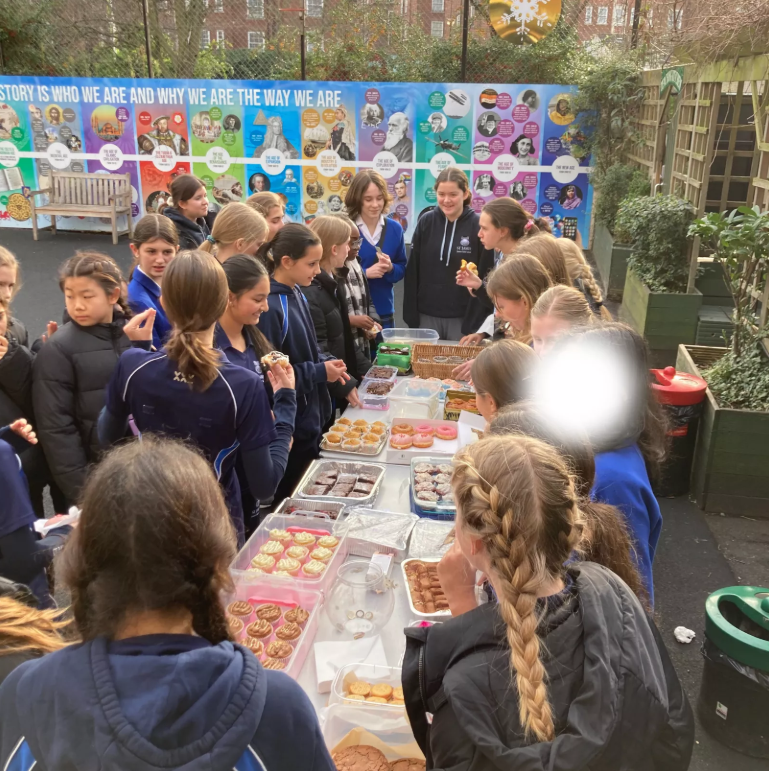
A good example comes from St James School, where students organized a bake sale to support charity. They managed contributions, set up sales during school hours, and created a simple but well-coordinated event. The result was a successful fundraiser that raised £122, showing how even small-scale efforts can deliver meaningful outcomes when executed well.
This idea works especially well in middle school settings because it adds a playful element that students enjoy. Students donate for the chance to place temporary tattoos on teachers during a designated time. It creates anticipation and encourages participation without requiring much setup.
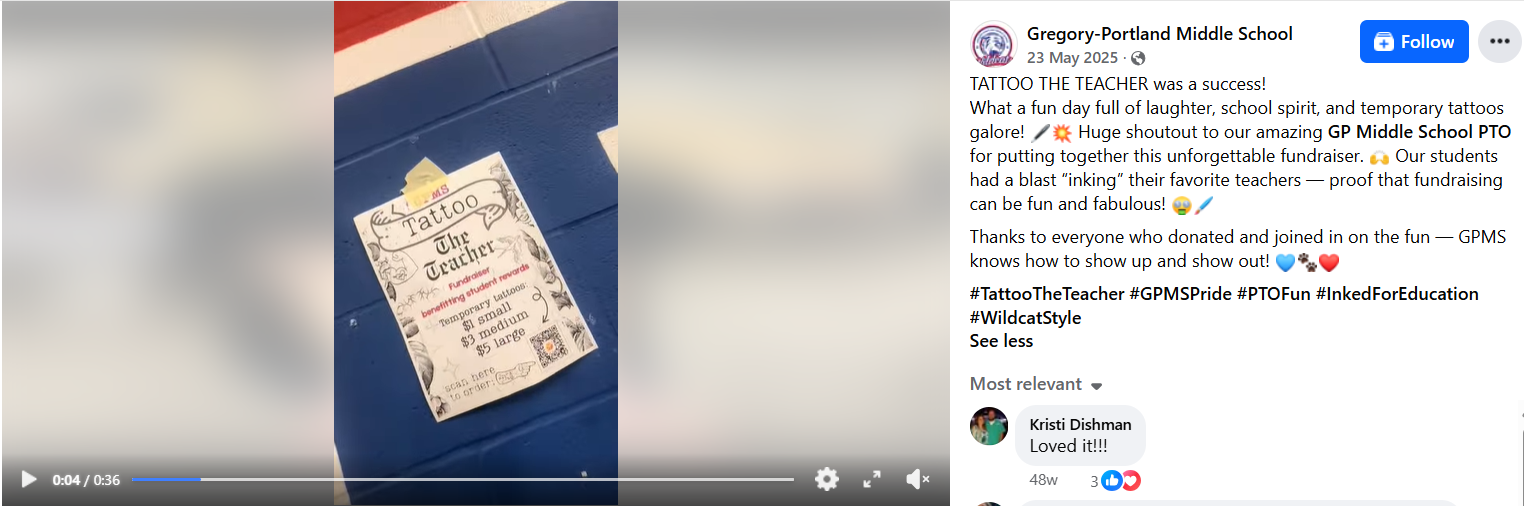
At Greenbrier Middle School, the “Tattoo the Teacher” fundraiser turned into a highly engaging event. Students contributed enthusiastically to take part, and the activity created a lively atmosphere across the school. The success of the fundraiser came from how simple the idea was to execute while still making students feel directly involved.
Recycling, cleaning, or waste collection drives combine fundraising with a sense of purpose. Schools can collect items such as old electronics, cables, or recyclable materials and partner with organizations that offer returns for collected items. This approach works well when you want to involve students in a cause while raising funds.
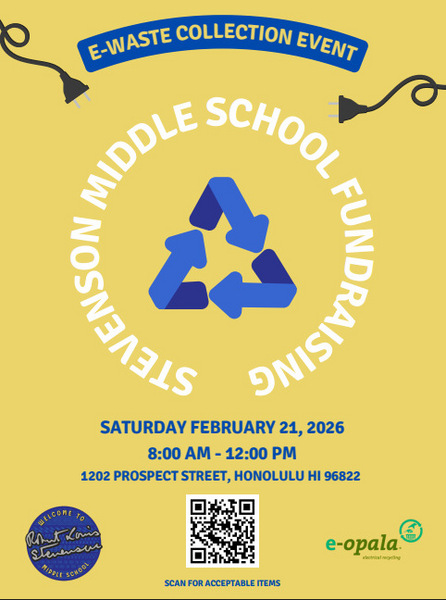
The Stevenson Middle School ran a e-waste recycling drive just this year. The school provided clear guidelines on which items were acceptable and which were not, making it easier for participants. The campaign not only raised funds but also built awareness around sustainability, showing how educational fundraising ideas can create both financial and learning outcomes.
Penny Wars introduce a competitive element that keeps participation consistent over several days. Each grade contributes coins to earn points while adding other denominations to competing grades to reduce their scores. The format is simple, yet it keeps students engaged because of the ongoing competition.
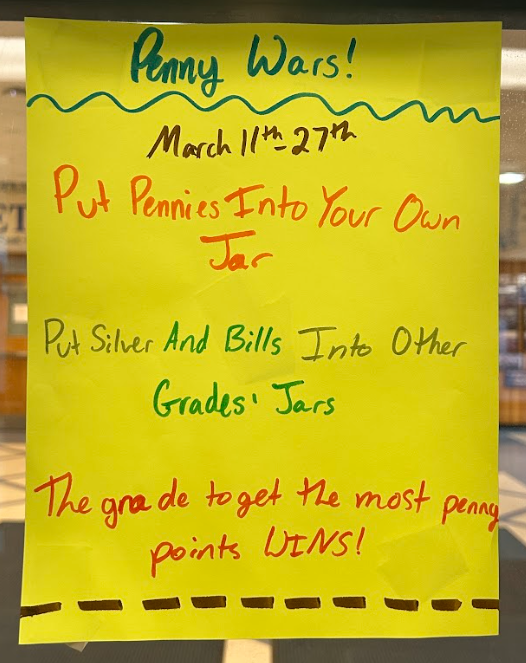
At Narragansett Middle School, a penny wars campaign was organized as a grade-level competition. Regular updates and visible tracking helped maintain excitement. The structure encouraged steady participation and showed how a low-cost fundraiser can stay active over time when competition is built into the format.
A fun run or jog-a-thon is a strong option when you want a low-cost fundraiser with high participation potential. Students collect pledges based on laps completed or distance covered. The event itself becomes a shared activity, which helps maintain energy and involvement.
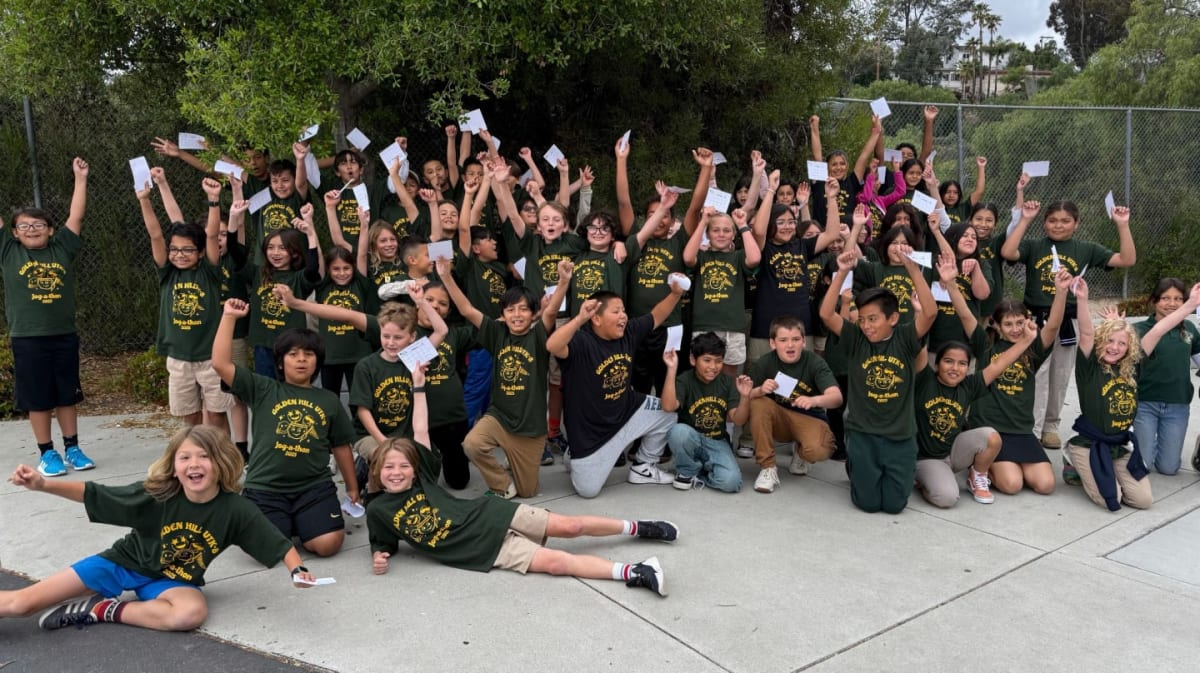
Golden Hill Elementary’s Eagle Fun Run is a good example of how this can work. The school structured the event around student participation and community support. By focusing on pledges and clear goals, they created a fundraiser that was easy to manage and capable of generating strong contributions through collective effort.
These middle school fundraiser ideas work best when participation is driven by experience. Students stay involved when the activity itself feels exciting and social, rather than something they have to do. The goal here is to create moments that bring energy into the school while still supporting your fundraising efforts.
A staff talent show shifts the spotlight to teachers and staff, which creates a different kind of excitement for students. Participation increases because students are curious to see familiar faces perform in a new setting.
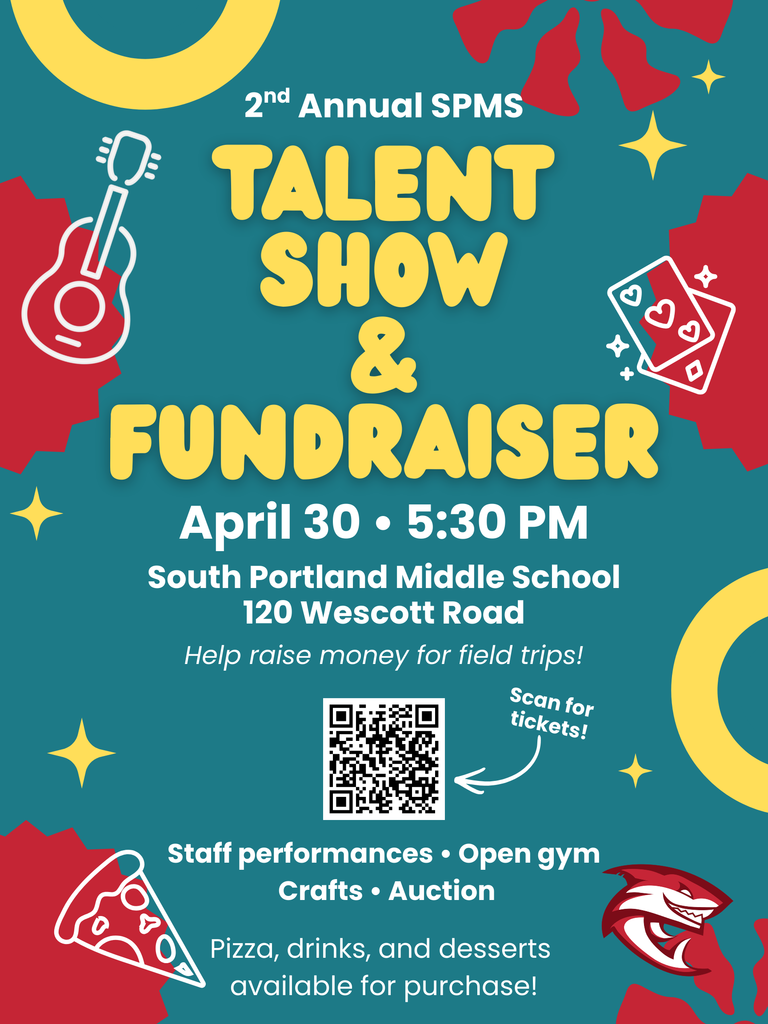
South Portland Middle School hosted a staff talent show to raise funds for grade-level field trips. Staff members performed for students, and the event drew strong attention across the school. This approach works well because it builds community involvement while keeping the setup manageable.
Sports-based fundraisers work well because they tap into existing student interests. A structured tournament allows students to participate actively while also attracting spectators who contribute through entry fees or small ticketed access.
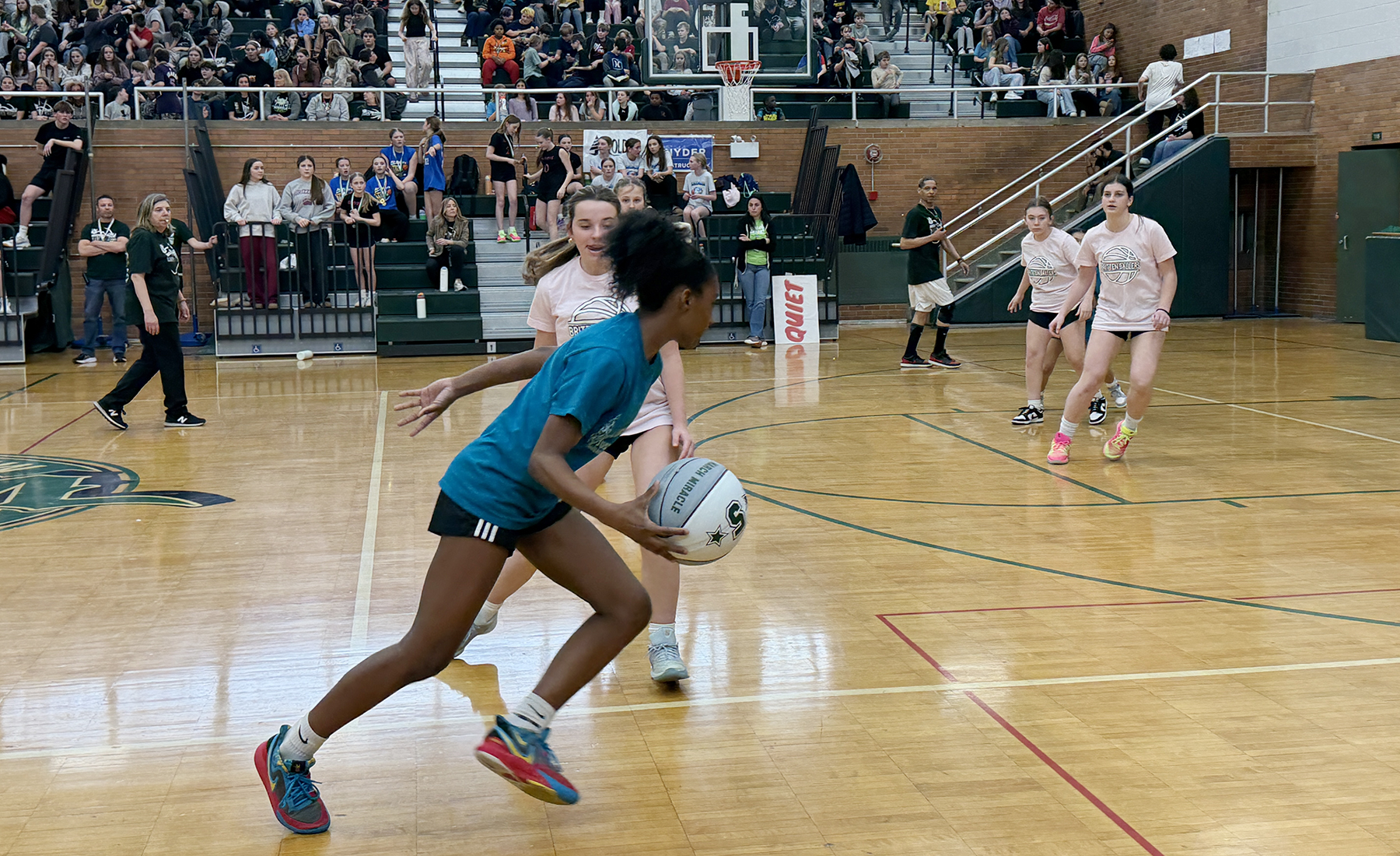
Anderson Middle School organizes a basketball tournament every year to support a charity of their community’s choosing. This year, they raised $15,000 for Camp Casey, a nonprofit organization. This format works well for schools that want to combine physical activity with community involvement.
A color run is one of the more engaging fundraising ideas for schools because it combines physical activity with a visually exciting experience. Students raise pledges and take part in a run where colored powder is used at different checkpoints, turning the event into something memorable.
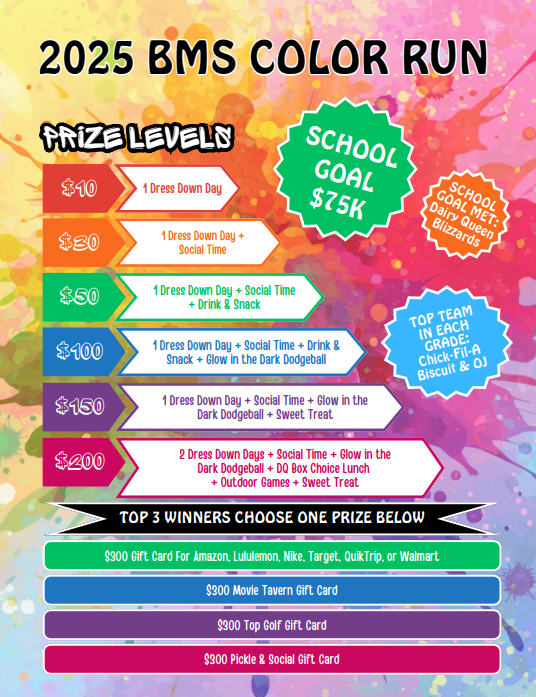
Buford Middle School set a fundraising goal of $75,000 for its Color Run event, positioning it as a key event to support student and teacher initiatives. The success of this approach comes from how the event itself becomes the main attraction, which helps drive both participation and contributions.
Interactive game-style events can bring families into the fundraising process without requiring a physical setup. Schools can host quiz nights or game show formats where families join, participate, and contribute through entry fees or donations.
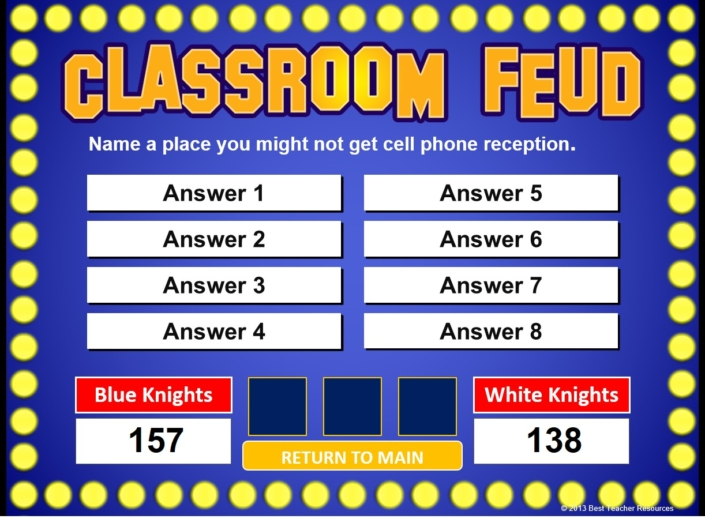
Chelsea School ran a virtual Family Feud-style event as part of its community programming. Families joined remotely, participated in live games, and contributed as part of the experience. This approach worked well because it extended participation beyond students and made fundraising feel like a shared activity at home.
A move-a-thon builds participation around physical activity while allowing flexibility in how students take part. Instead of limiting the event to one format, schools can include multiple activities and let students choose how they want to participate.
The Southeast Seattle Schools Fundraising Alliance organized a large-scale move-a-thon that involved around 6,700 students across multiple schools. Students participated in activities such as yoga, capoeira, and neighborhood cleanups. This approach helped increase participation because students could engage in ways that suited their interests, while still contributing toward a shared fundraising goal.
Educational fundraising ideas work best when the activity itself adds value to students. Instead of treating fundraising as a separate task, these ideas build it into learning. This makes participation more consistent because students are working toward both academic and fundraising goals at the same time.
A read-a-thon encourages students to build reading habits while raising funds through pledges tied to time spent reading. Schools can set collective goals and track progress publicly to keep momentum strong throughout the campaign.
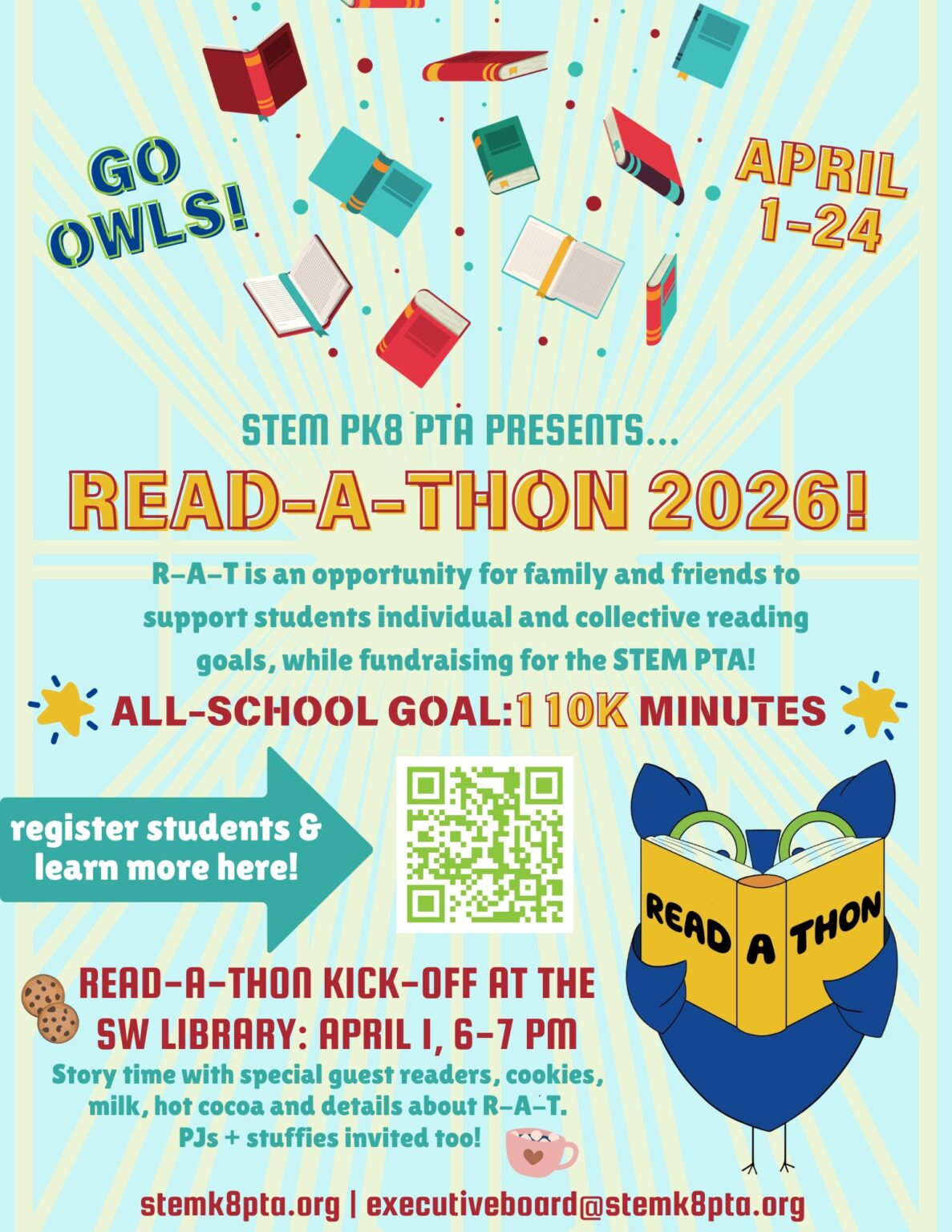
The STEM K–8 PTA organized a Read-A-Thon scheduled from April 1 to 24 with a target of 110,000 minutes. Students went beyond that goal and reached over 206,000 minutes of reading. The campaign also raised $20,854 to support PTA programs. This shows how combining a clear goal with visible progress can drive both participation and results.
A math-a-thon focuses on problem-solving instead of reading, making it a good fit for schools that want to promote analytical skills. Students complete structured problem sets and collect sponsorships based on participation or performance.
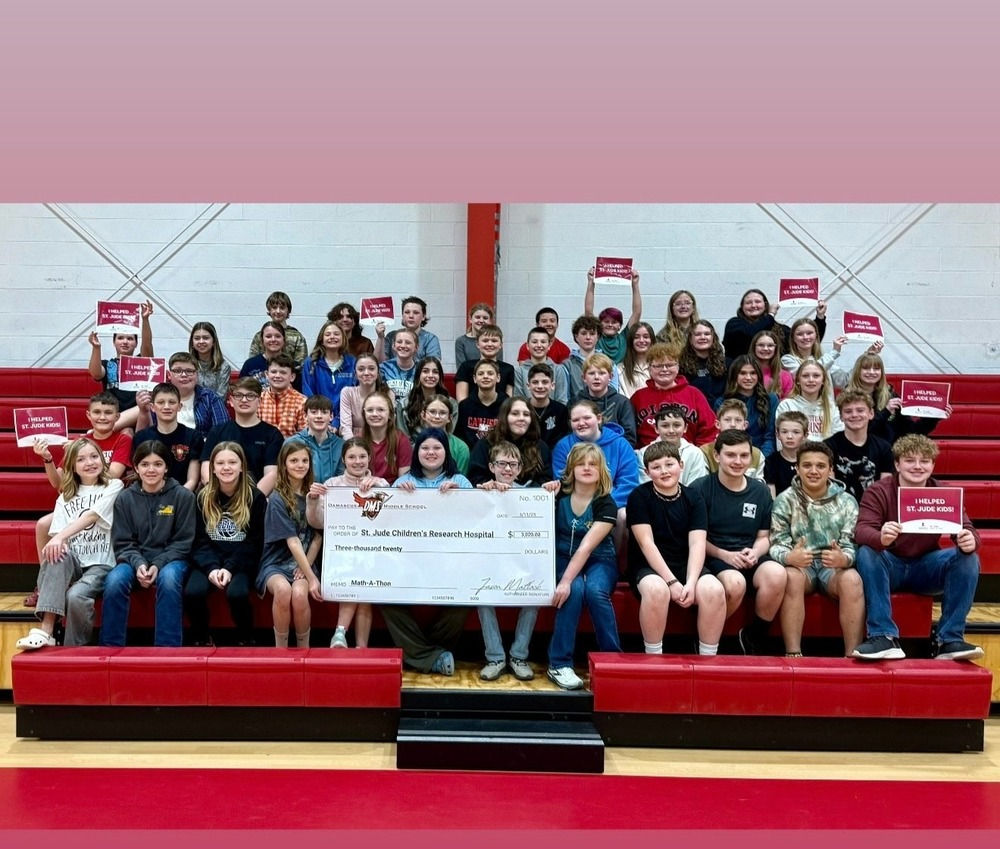
Damascus Middle School ran a Math-A-Thon where students worked through math “funbooks” and earned support through sponsorships. The format made the activity feel structured yet approachable, which helped maintain participation while aligning the fundraiser with classroom learning.
These fundraising ideas for schools focus on small, ongoing contributions rather than one-time events. The goal is to connect everyday activities with classroom support so fundraising becomes part of the broader school ecosystem.
Many middle schools often introduce a rewards-based system for the school year where local shopping contributes directly to funding teacher resources. This approach works well because it reduces the need for repeated campaigns and instead builds a steady flow of support tied to community participation.
Seasonal fundraising ideas for middle school work because they align with moments students already look forward to. When a fundraiser is tied to a holiday or time of year, participation feels more natural. The theme creates built-in interest, which reduces the effort needed to promote the event.
Halloween-themed events are effective because students already expect something fun around that time. Schools can build activities such as costume contests, themed games, or small group experiences and charge for entry.
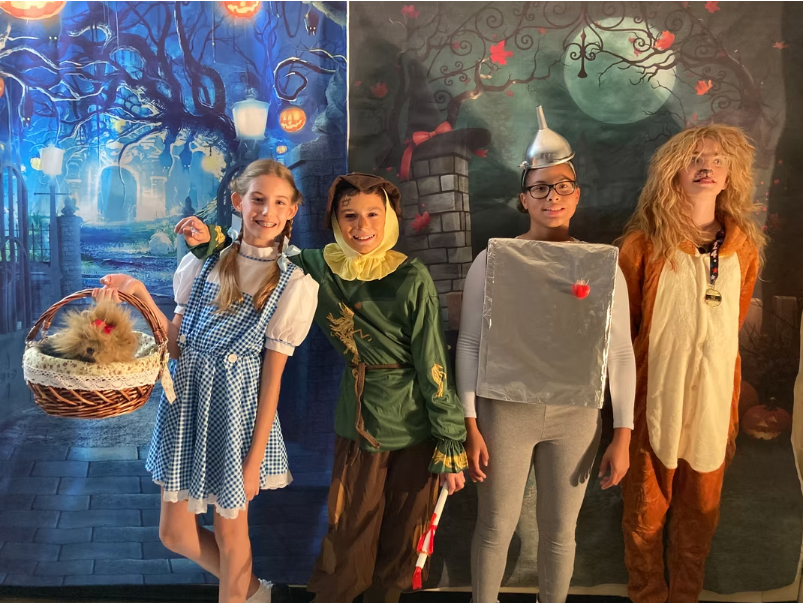
Rye Neck Middle School hosted a “Spooktacular” event with themed activities designed for students. The event sold over 190 tickets, showing how a well-timed seasonal fundraiser can drive strong participation when the experience feels unique and relevant.
Holiday fundraising ideas work well because families are already spending during this period. Schools can offer services such as gift wrapping or partner with vendors to sell seasonal products, making it easy for families to contribute while completing their own holiday purchases.
Boyce Middle School partnered with Charleston Wrap and Chestnut Hill Candle Company for their winter fundraising campaign. The initiative supported sixth-grade trips and allowed families to contribute through everyday holiday purchases. This approach works because it fits into existing seasonal behavior rather than asking for additional effort.
Fall festivals bring together students, families, and the wider community through a mix of activities and attractions. These events usually combine ticketed entry with paid activity stations, which helps create multiple ways to contribute.
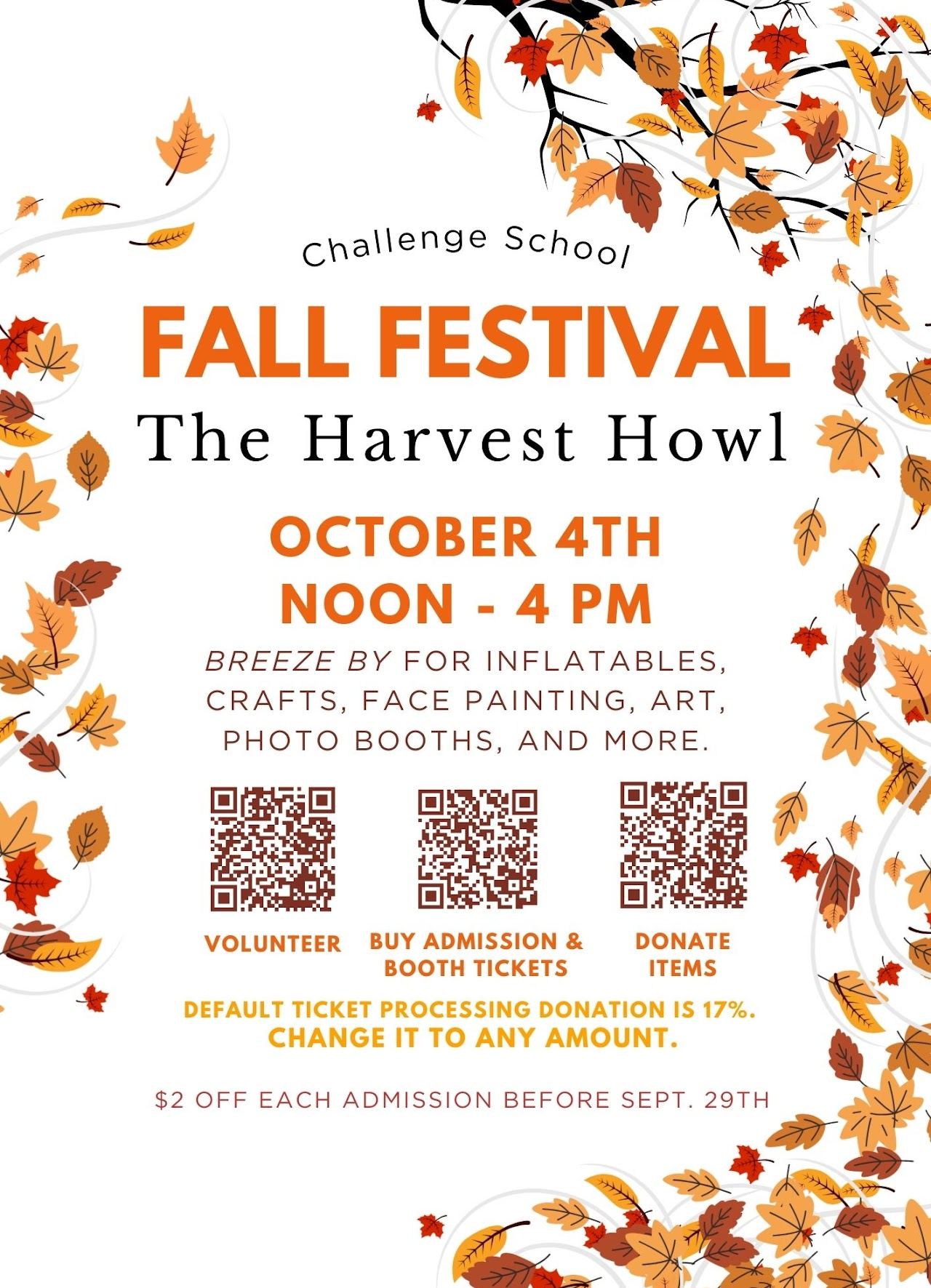
Challenge School hosts an annual “Harvest Howl” fall festival that includes attractions such as interactive games, performances, and themed activities. The school also offers early ticket pricing to encourage advance participation. This structure helps generate revenue early while building anticipation for the event.
Some fundraising ideas for middle school are designed to generate higher returns by combining participation with stronger intent to give. These work best when there is a clear purpose, structured execution, and multiple ways for the school community to contribute.
Cause-based fundraisers connect contributions to a specific purpose. When students and families understand what they are supporting, participation tends to feel more meaningful, which often leads to higher contributions
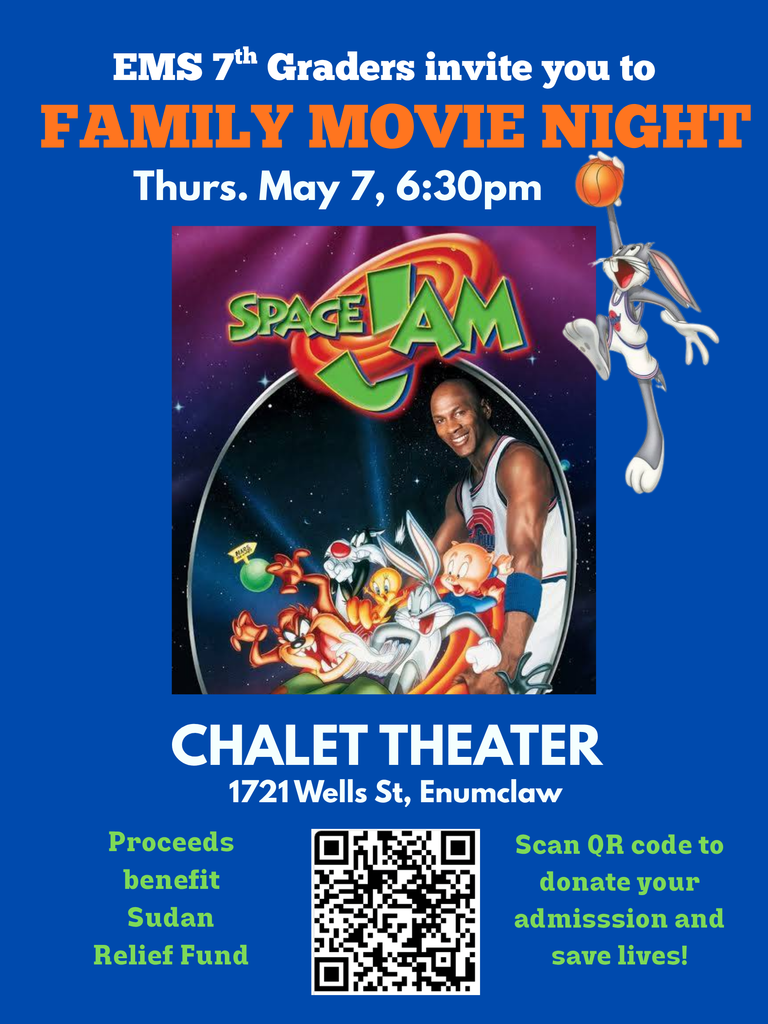
Enumclaw Middle School organized a fundraiser to support the Sudan Relief Fund. The school brought the community together around a shared cause and structured the event to encourage participation through awareness and involvement. This approach works because it gives fundraising a clear direction and helps participants see the impact of their contributions.
Instead of relying on a single event, schools can run a series of activities under one campaign. Each activity may be simple on its own, but together they create multiple opportunities for participation and contributions.
Cramerton Middle School, along with the wider Gaston County district, ran a multi-event campaign that included daily activities such as slushie sales, themed dress-up days, and teacher challenges. This combined approach helped the district raise nearly $132,000, making it their highest total. The success came from creating consistent touchpoints where students could participate in small ways throughout the week.
A direct donation model removes the need for product sales and focuses entirely on contributions. This works well when schools want a simpler structure that is easier to manage and track.
Creekside Middle School adopted a one-time donation approach with a goal of $50,000. By focusing on direct giving instead of physical sales, the school streamlined the process and made it easier for families to contribute. This approach works best when communication is clear and the purpose of the fundraiser is well defined.
A Fund-A-Dream model combines a traditional silent auction with a focused fundraising goal. Instead of raising money for general use, the campaign highlights a specific project that the school wants to complete.
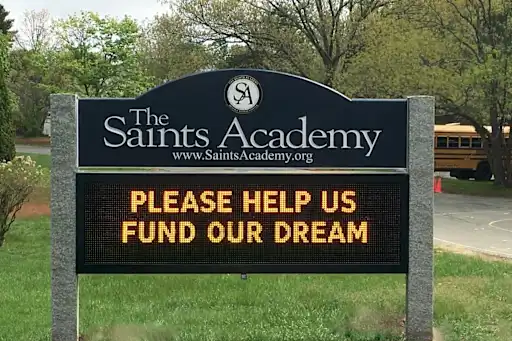
Saints Academy used this approach by linking their auction to a specific, tangible "dream" project, which helped create urgency and stronger participation. When contributors understand exactly what their donations support, they are more likely to give at higher levels. This model works well for schools looking to fund larger initiatives with clear outcomes.
A CASE study suggests that charitable support for education continues to show long-term resilience, even during periods of economic uncertainty, which makes well-structured fundraising efforts more reliable over time.
Also read → 15 proven school fundraising ideas for 2026
In order to run successful middle school fundraisers, the primary focus should be on how clearly the idea is planned before it begins. When the structure is simple and roles are defined early, teams spend less time managing issues and more time driving participation.
Every fundraiser needs a clear starting point. Without a defined goal, it becomes difficult to guide participation or measure success.
Start by identifying what the fundraiser is supporting. This could be a student program, a trip, or classroom improvements. Then set a specific target that reflects that need.
Visible and easy to follow fundraising goals are a must if you want participation to stay consistent.
Strong participation depends on how involved students and parents feel throughout the fundraiser. Clear communication and simple ways to contribute make a noticeable difference.
Students should feel like active participants rather than just contributors. Giving them small roles can help maintain interest.
For parents, clarity matters more than frequency.
Clear and relevant communication also improves response. McKinsey suggests that personalized outreach can significantly increase engagement, which means messages that feel specific to the audience are more likely to drive participation.
The platform you use plays a key role in how smoothly the fundraiser runs. Without the right setup, teams often spend time managing payments, updating records, and sending reminders manually.
A good fundraising platform helps by:
Crowdfunding platforms like Almabase are designed to support this kind of workflow. Schools can set up structured giving pages, manage campaigns, and track donations as they happen. Since it works alongside existing systems, it also helps keep records aligned without additional effort.
Choosing the right platform allows your team to focus on participation and engagement, which is where most fundraising outcomes are shaped.
Also read → 10 Best fundraising software platforms for schools in 2026
Even the best middle school fundraising event ideas need the right execution to deliver results. Small changes in how you promote, structure, and run your campaign can make a noticeable difference in participation and outcomes.
Here are a few practical ways to improve how your fundraiser performs:
A fundraiser needs visibility throughout its duration, not just at the start. Students and parents often miss the first announcement, so regular reminders help keep participation steady.
Use channels your school already relies on. Share updates through school newsletters, send short email reminders, and post progress updates on social media. When people see the fundraiser more than once, they are more likely to act.
Users have also found that fundraisers perform better when messaging stays consistent across all communication channels. Repeating the same core message instead of changing it frequently helps families recognize the campaign and understand what action is expected.
A defined timeline gives structure to your school fundraising campaign. When there is no clear end date, participation tends to slow down.
Set a start and end date before launching the fundraiser. Share these dates clearly with students and parents. You can also introduce small milestones within the campaign to keep attention focused and encourage timely participation.
Students respond well to shared goals. Adding a team element can help maintain energy during the fundraiser.
You can organize participation by class or grade level. Track progress and share updates regularly so students can see where they stand. When students feel part of a group effort, they are more likely to stay involved.
Recognition helps sustain participation without adding unnecessary complexity. Students are more motivated when their efforts are acknowledged.
This does not always require large prizes. Simple rewards such as certificates, announcements, or small privileges can be effective. The key is to make the recognition visible so others are encouraged to participate as well.
When these elements come together, fundraising becomes easier to manage and more consistent in its results.
Also read → Quarterly fundraising playbook for schools you’ll need in 2026
Managing a fundraiser becomes easier when your tools support execution instead of adding extra steps.
Almabase provides a crowdfunding platform that helps schools run structured fundraising campaigns in one place. Teams can set up giving pages, monitor donations as they come in, and manage the campaign without switching between tools.
This approach helps in a few key ways:
At Boyd Buchanan School, this structured approach helped connect engagement with fundraising results. The school surpassed its giving goal by 201%, had 60% of alumni sign up on the platform, and saw a 5X increase in engaged users within five months of onboarding. Almabase also helped the team use leaderboards, donor segmentation, goal thermometers, and Raiser’s Edge sync to manage the campaign more effectively.
The right middle school fundraising ideas make a clear difference in how a campaign performs. When the idea fits your school and is easy to run, participation stays steady and the effort feels manageable for everyone involved.
This guide shows that effective fundraisers do not need to be complicated. What matters is clear planning, consistent communication, and ideas that students and families are willing to support. Even simple fundraisers can deliver strong results when they are executed well.
Almabase helps bring structure to the process. It allows your team to manage campaigns, track donations, and stay organized without relying on multiple tools. Book a free demo to find out how this can work for your school's next fundraising event.

The most effective middle school fundraising ideas are those that are easy to manage and keep students involved. Examples include bake sales, fun runs, read-a-thons, and themed events. These work well because they combine participation with clear goals, which helps maintain steady contributions.
Quick fundraising ideas for middle schools usually involve simple setups and immediate participation. Options like spirit days, snack sales, or direct donation drives work well because they do not require long planning cycles and can generate funds within a short time.
The most successful fundraising ideas keep participation steady and are easy to run. Fun runs, read-a-thons, themed events, and multi-day campaigns work well because they keep students engaged over time and families have more chances to contribute, which leads to stronger overall results.
Participation improves when students feel involved and understand the purpose of the fundraiser. Clear communication, visible progress tracking, and small incentives can help maintain interest. Group-based activities such as class competitions also encourage more consistent involvement.
Online platforms help schools manage fundraising more efficiently. They allow teams to track donations, communicate with donors, and run campaigns without manual coordination. This becomes especially useful for larger or longer campaigns where organization and visibility are important.

20 Best Middle School Fundraising Ideas for 2026
Looking for middle school fundraising ideas? Find low-cost, fun, and high-impact ideas with tips to increase participation and results.
Fundraising
A donor rarely spends time deciding whether to give to a cause they care about. Most of it happens quickly, often in a single glance.
Short donation messages are built for exactly that moment. They help you communicate the ask clearly without slowing the decision down.
This also shows up in how donors prefer to be reached. Bandwidth's State of Messaging report states 13.1% of people prefer SMS for communication about causes and organizations they care about. That makes short, well-timed messages even more important in fundraising outreach.
In this guide, we’ll share short donation message examples you can use across text, email, and social channels to drive action. We’ll also show you how to create messages that feel natural and perform consistently across campaigns.
Short donation messages work best in moments where donors are already deciding whether to act. This could be right after they read about your campaign, see a peer share it, or receive a reminder during a live fundraiser. At that point, they don’t need more information, just a clear next step. A short message provides the next step without adding extra details.
Here are the situations and channels where short donation messages consistently drive the strongest results:
SMS is built for immediacy. In fact, text messages still see open rates above 98%, making them one of the fastest ways to capture attention. Short, actionable messages work best here because they align with how people use their phones. A clear instruction, like clicking a link or replying with a keyword, removes friction and increases conversion rates, especially during giving days or live campaigns, where timing directly impacts participation.
On platforms like Instagram, Facebook, and X, users scroll quickly and engage selectively. Short donation messages work because they capture attention without demanding too much time. When paired with strong visuals or videos, a concise line can drive shares, comments, and clicks. This is especially useful for peer-to-peer fundraising, where messages need to be easy to repost and amplify across networks.
While email allows for longer content, shorter messages tend to perform better in both subject lines and key sections of the email body. Donors often scan emails rather than read them fully, especially on mobile devices. A direct call to action placed early in the email increases the likelihood of engagement. Even in longer emails, the most effective parts are usually the short and clearly written donation prompts.
Time-sensitive campaigns are where short messages have the strongest impact. They create urgency without overwhelming the reader, helping them make quick decisions and take immediate action. Whether it’s the final hours of a giving day or a crisis response campaign, a short message often drives faster conversions than a detailed appeal.
Short donation messages work best when they feel natural to the channel and the moment. The structure usually stays simple: a quick context, a clear ask, and an easy next step. What changes is the tone, depending on who you’re speaking to and where the message appears.
Below are ready-to-use examples tailored for different campaign types and platforms.
These messages are meant for broad outreach where you’re engaging a wide audience without much context. They work well across email, SMS, and website banners where clarity matters most.
Hi [Name], we’re close to our goal for [campaign]. A quick gift today can help us get there. [Link]
Hi [Name], your support keeps [program] running. If you’ve been thinking about giving, now’s a great time. [Link]
Hi [Name], we’re reaching out to a small group before we go broader. Would value your support if you’re open to it. [Link]
These focus on impact, helping donors quickly understand what their contribution supports. They’re especially effective on donation pages and email campaigns.
Hi [Name], your gift today goes directly toward [specific outcome, e.g., funding 3 research grants]. You can be part of that here. [Link]
Hi [Name], we’ve made progress on [initiative], but there’s still a portion left to fund. Sharing the link if you’d like to help.
Hi [Name], donors this week have helped us reach [milestone]. Your support today keeps that progress going. [Link]
School campaigns benefit from messages that connect directly to students and community outcomes. These are commonly used in alumni outreach and annual fund campaigns.
Help students access better learning opportunities this year. Support here: [Link]
Hi [Name], your graduating class is supporting [program]. Adding your name would help push it further. [Link]
Your support keeps programs like [sports/labs/scholarships] going. Give here: [Link]
Peer-to-peer messages should feel personal and conversational. These work best on messaging apps and direct outreach.
Hey [Name], I just supported [cause]. Thought I’d share in case you want to join in: [Link]
A few of us are contributing to [campaign]. Passing this along if you’d like to take a look: [Link]
Hey [Name], I came across this initiative, and it’s doing meaningful work. Sharing in case you want to check it out.
These messages are ideal for seasonal or gift-based campaigns where the focus is on meaning and impact rather than urgency.
A small gift today can support [cause] in a meaningful way. Contribute here: [Link]
Looking for a more intentional way to give this year? Consider supporting [initiative]: [Link]
Your contribution today helps create lasting impact for [community]. Give here: [Link]
SMS messages need to be clear and immediate, with one simple action. These are best used for time-sensitive campaigns.
Hi [Name], we’re close to our target for today. Can you help us get there? [Link]
Only a few hours left to support [campaign]. Be part of it here: [Link]
Hi [Name], we’re 8 donors away from hitting today’s target. You can help us cross it here. [Link]
On social platforms, messages need to be quick to read and easy to engage with. Pair these with visuals or campaign updates.
Support [cause] today and help us reach our goal: [Link]
Join others supporting [campaign]. Every contribution makes a difference: [Link]
Be part of this effort to support [community]. Contribute here: [Link]
Email allows slightly more context, but the ask should remain clear and upfront. These work well as part of campaign sequences.
Hi [Name], we’re nearing our goal for [campaign]. Your support can help us finish strong: [Link]
This is a quick note to invite you to support [initiative]. You can contribute here: [Link]
As we wrap up this campaign, we’re reaching out to a few more supporters. Join us here: [Link]
These highlight the added impact of giving at the right time. They are most effective during giving days or milestone campaigns.
Your contribution today will be matched. Double your impact here: [Link]
A matching grant is active for [campaign]. Make your gift go further: [Link]
Every dollar given today is being matched. Take part here: [Link]
When tied to events, the message should connect participation with impact. These are useful before, during, and after events.
Support [event name] and help us reach our fundraising goal: [Link]
As we prepare for [event], your contribution helps make it possible. Give here: [Link]
Be part of [event] by supporting the cause behind it. Donate here: [Link]
Across all these examples, the principle stays consistent: keep the message focused on one idea and guide the reader toward a single next step.
Short donation messages work because they remove friction. But what actually makes them effective is how clearly they connect with the donor and guide them toward action.
Across all successful donation campaigns, two elements consistently stand out: personalization and a strong call to action. Personalization makes the message feel relevant, and a strong call to action makes it easy to respond. When both come together, even a short message can drive meaningful engagement.
Personalization is what turns a generic message into something that feels intentional. Even small details like using the donor’s name, referencing their past support, or acknowledging their connection to the cause add context without adding length.
In practice, personalization can be as simple as:
The goal is to make the message more relevant. When donors feel the message is meant for them, engagement naturally improves.
A short message only works if the next step is clear. This is where the call to action plays a critical role. A strong CTA tells the donor exactly what to do and removes any ambiguity. Without it, even a well-written message can fall flat.
The CTA should be direct, short, action-oriented, easy to follow, and especially tailored for mobile devices where most messages are read. Effective calls to action usually:
For example, “Support the campaign” is more effective than a vague closing line, and “Help us reach our goal today” creates a clearer sense of timing.
The key is simplicity. When donors don’t have to think about what to do next, they’re far more likely to act.
Once you’ve seen what effective short donation messages look like, the next step is building your own.
The key is to treat donation messaging as a repeatable process. When you combine the right tools with a few practical best practices, it becomes much easier to create messages that perform well across channels.
As campaigns grow, manually sending and managing messages becomes inefficient. This is where platforms like Almabase help streamline the process by combining messaging, fundraising, and CRM data in one place.
With Almabase’s crowdfunding platform and multi-channel bundle, teams can automate outreach while still keeping messages personal and relevant. In practice, this allows you to:
This approach reduces manual work while making every message feel more targeted. Instead of sending one generic message to everyone, you can deliver the right message to the right group at the right time.
Not every campaign needs the same tone or structure. A message that works for a year-end appeal may not work for a last-minute push on giving day.
The most effective messages align closely with the campaign objective. That means adjusting both the tone and the call to action based on what you’re trying to achieve. For example:
The closer your message aligns with the campaign context, the easier it becomes for donors to understand why they should act now.
Even small changes in your words can make a noticeable difference in results. That’s why testing should be a regular part of your messaging strategy.
Instead of relying on assumptions, use simple A/B testing to compare different versions of your messages. This helps you identify what resonates most with your audience. You can test variations such as:
Over time, these insights help you build a stronger messaging playbook. What starts as experimentation becomes a set of proven approaches you can reuse across campaigns.
A well-crafted donation message can drive action, but what happens next shapes the relationship that follows.
It’s easy to focus on getting the message right before the donation. But what you say after someone gives often has a bigger impact on whether they stay connected.
Short follow-up messages work best here because they feel timely and genuine. A quick thank-you, sent soon after the donation, reassures the donor that their contribution was received and valued. It also keeps them connected to the impact they’ve made.
The goal is simple: acknowledge the gift, reinforce the impact, and keep the door open for future engagement.
Thank-you message examples
These messages are ideal for immediate follow-ups via SMS or email confirmations. They should be warm, direct, and specific where possible.
Follow-up and engagement messages
After the initial thank-you, it’s important to keep donors informed without overwhelming them. These messages help maintain connection and build trust over time.
Consistent follow-up builds familiarity and trust. When donors feel informed and appreciated, they’re far more likely to stay engaged and support future campaigns.
Most donation messages don’t fail because of the cause but because the message doesn’t land fast enough.
Short donation messages work because they respect how people engage. When your message is clear, relevant, and easy to act on, you remove the biggest barrier to giving. When you combine personalization, a clear call to action, and the right channel, even a few lines can drive meaningful results.
As you start crafting your own messages, think about this. Are you making it easy for someone to understand the impact? Are you guiding them toward a single, clear action? And are you reaching them in the moment they’re most likely to respond?
Use the examples and best practices in this guide as a starting point. Test what works for your audience, refine your approach, and build a messaging style that feels consistent across campaigns.
If you’re looking to scale this without adding manual effort, platforms like Almabase can help you bring everything together. From personalized outreach to automated campaigns and real-time tracking, it makes it easier to deliver the right message at the right time.
Want to see how this works in practice? Request a demo now.
A short donation message is a concise fundraising appeal designed to quickly communicate the purpose of a campaign and prompt immediate action. It is commonly used in SMS, email, and social media, where attention spans are limited, and clarity is critical to getting a response.
The ideal length of a donation message depends on the channel. For SMS, it should stay within 160 characters to ensure readability. For email or social media, messages can extend up to 250–300 characters while still remaining clear, focused, and easy to act on.
An effective donation message clearly communicates the purpose of the campaign, highlights the impact of giving, and includes a strong call to action. It should feel relevant to the audience and guide them toward a single, simple next step without overwhelming them with too much information.
Short donation messages can improve response rates because they are easier to read and process quickly. When donors don’t have to spend time understanding the message, they are more likely to act immediately, especially in time-sensitive campaigns or mobile-first communication channels.
Short donation messages are versatile and can be used across multiple channels, including SMS campaigns, email subject lines, social media posts, peer-to-peer outreach, and urgent fundraising appeals. They are especially effective in situations where quick decisions and immediate responses are important.
Personalizing a donation message involves tailoring it to the recipient using details such as their name, past contributions, or connection to the cause. This makes the message feel more relevant and intentional, which can increase engagement and improve the likelihood of a response.

25+ Short Donation Message Examples For Engaging Donors
Find short donation message examples for real campaigns. Use practical templates to create clear, actionable messages across channels.
Fundraising

.svg)